I AM PROUD THAT WE OFFERED A TRUE EXPEDITION
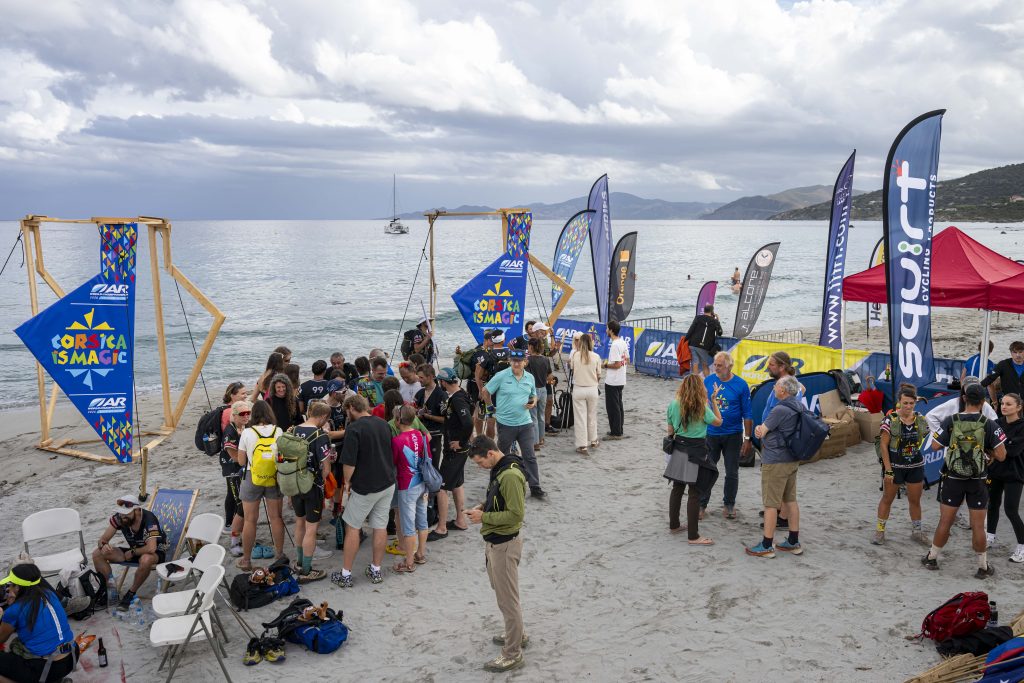
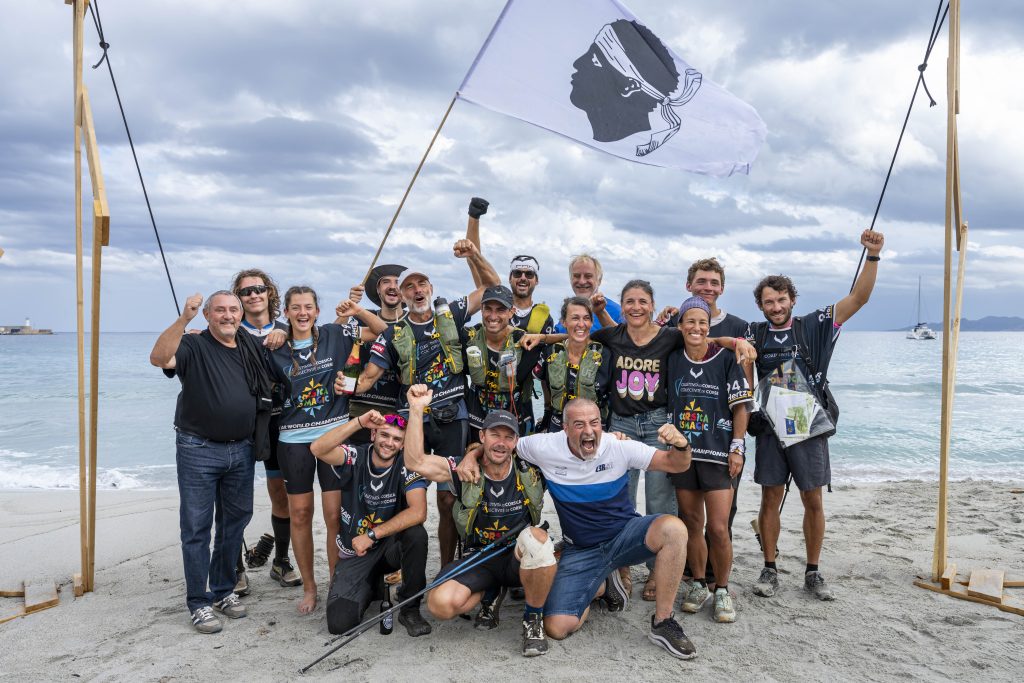
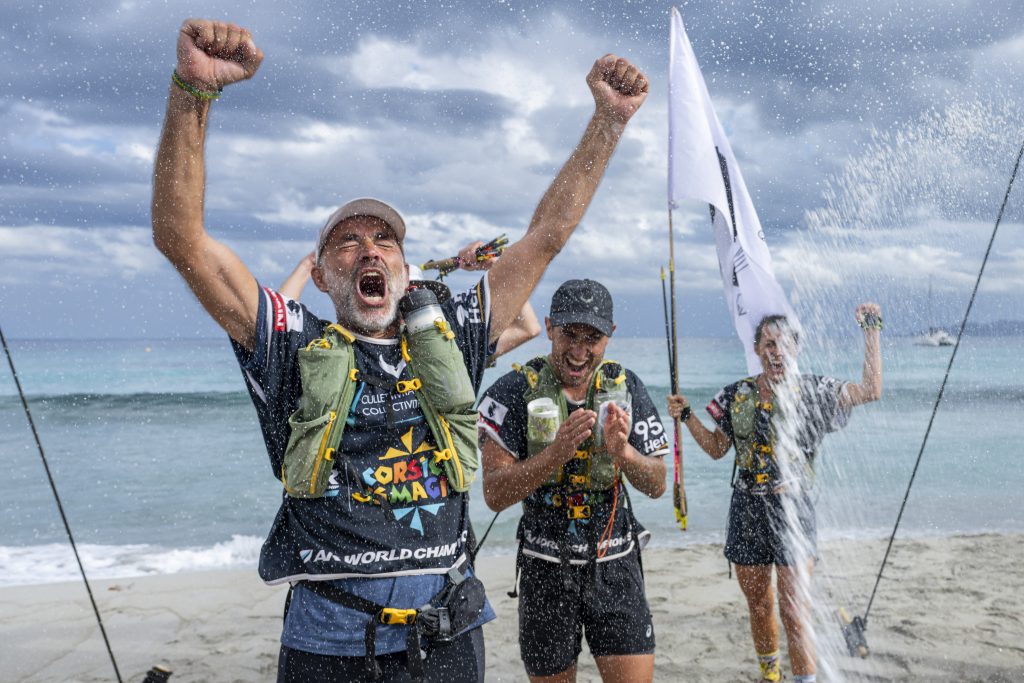
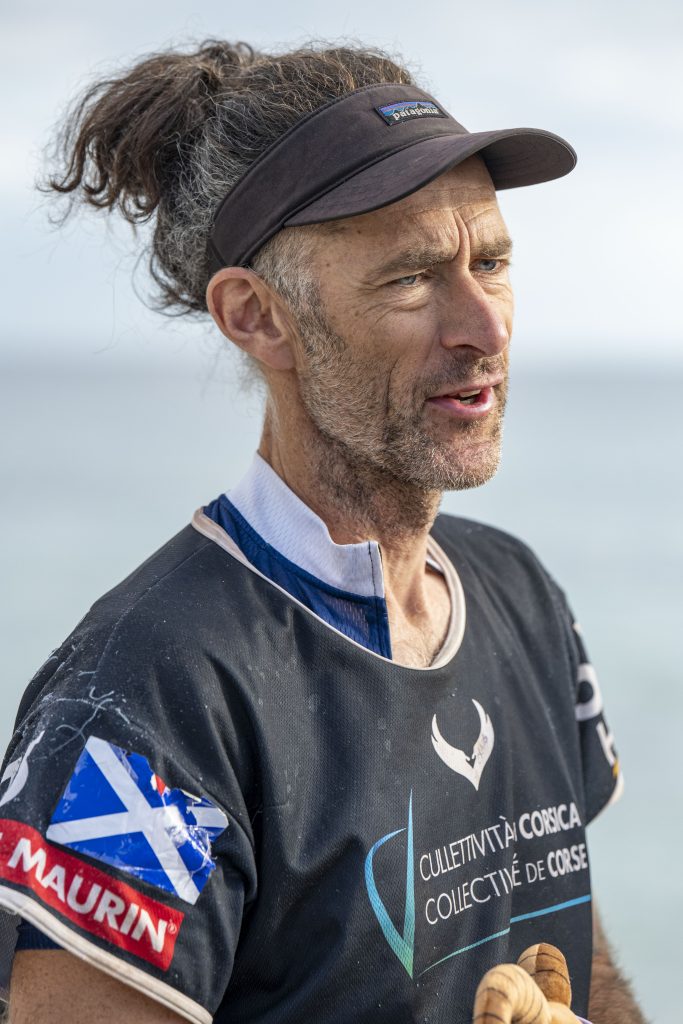
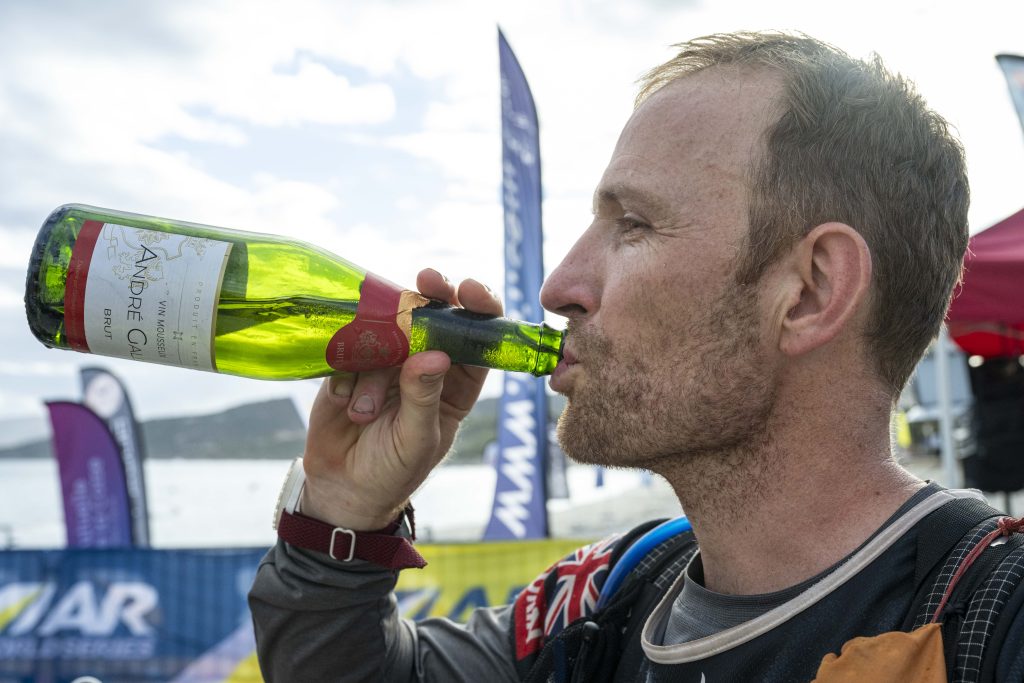
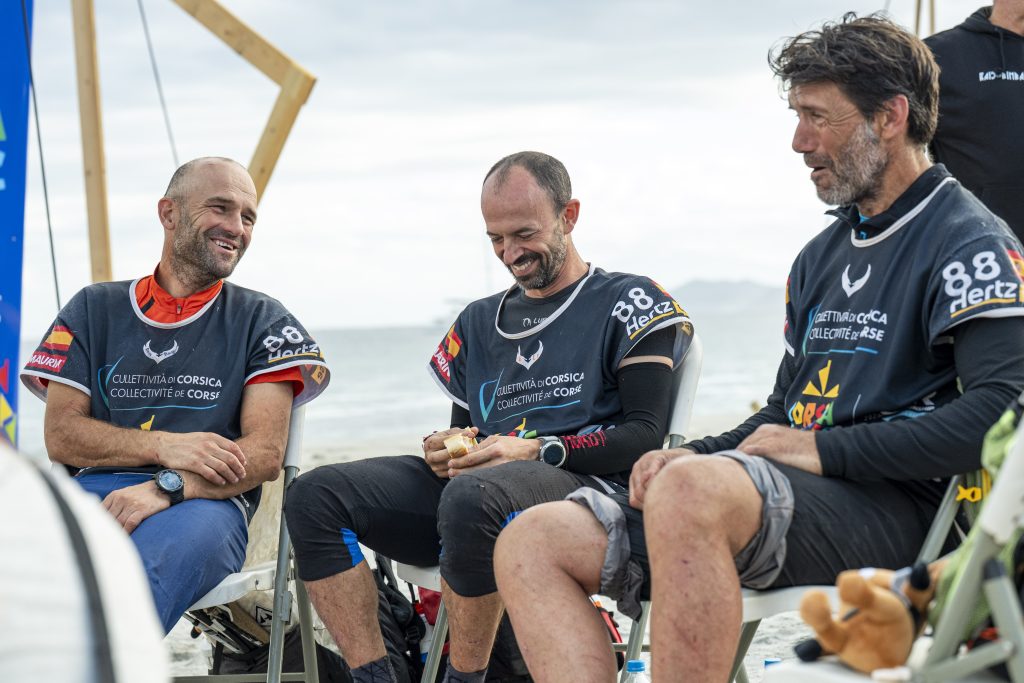
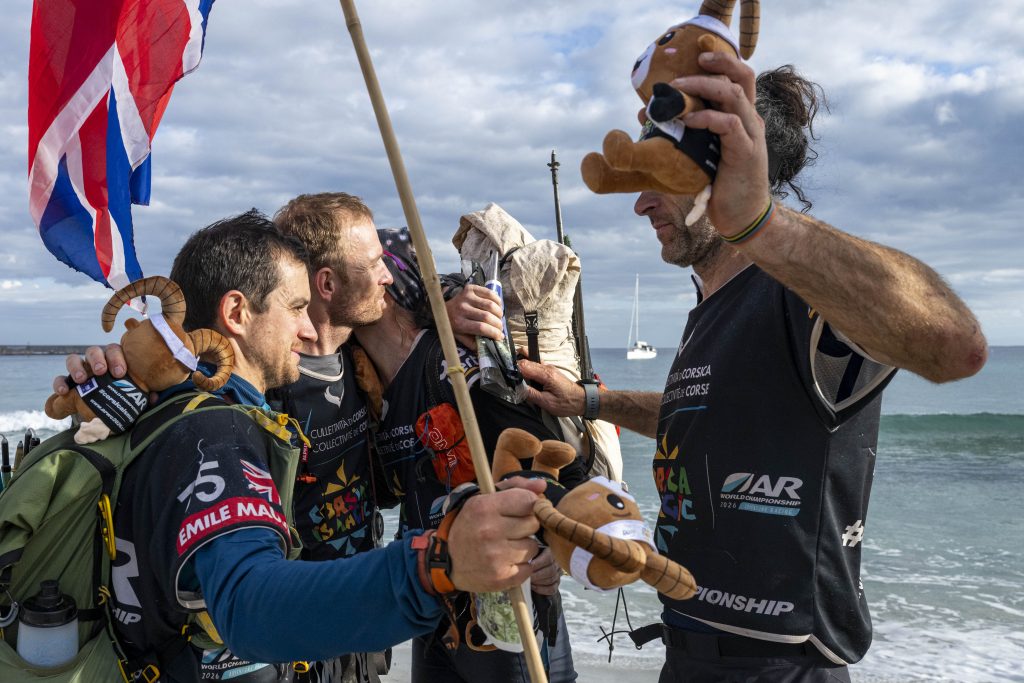
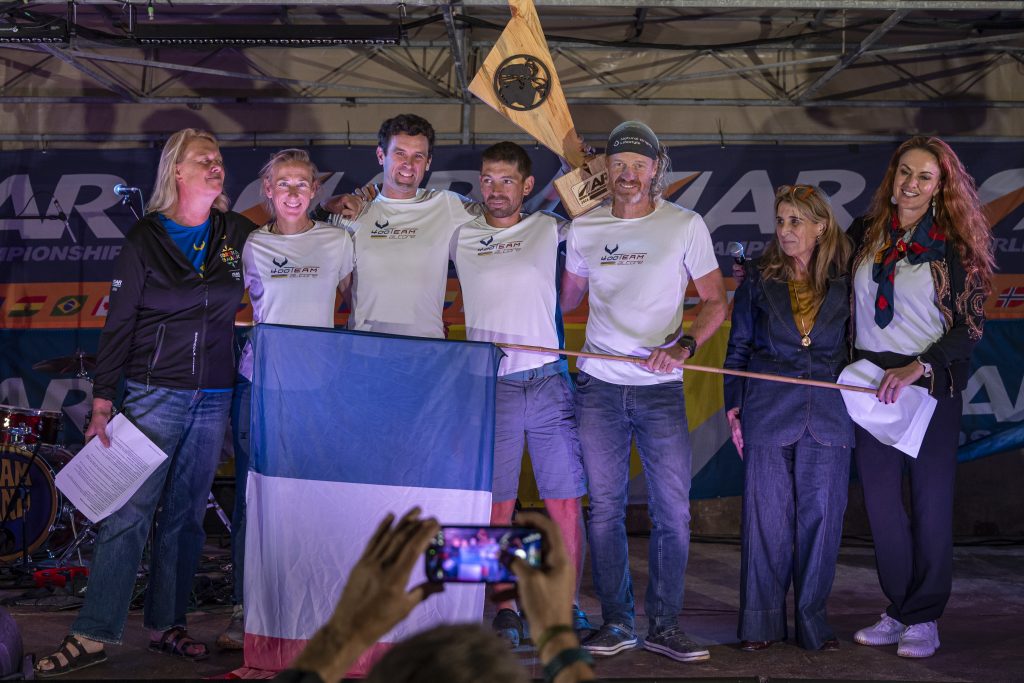
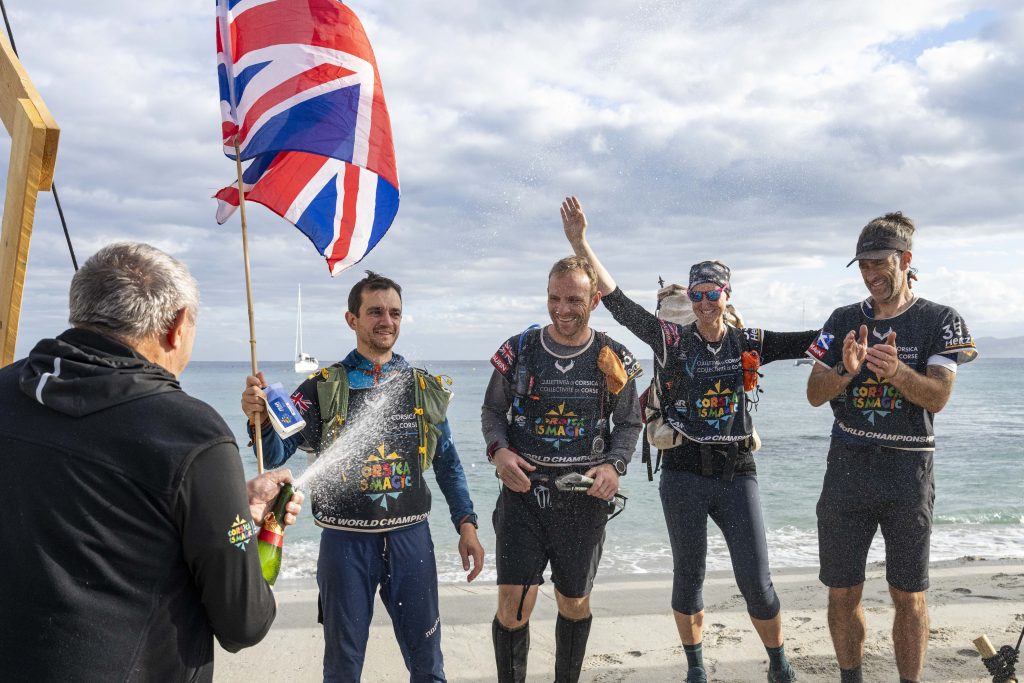
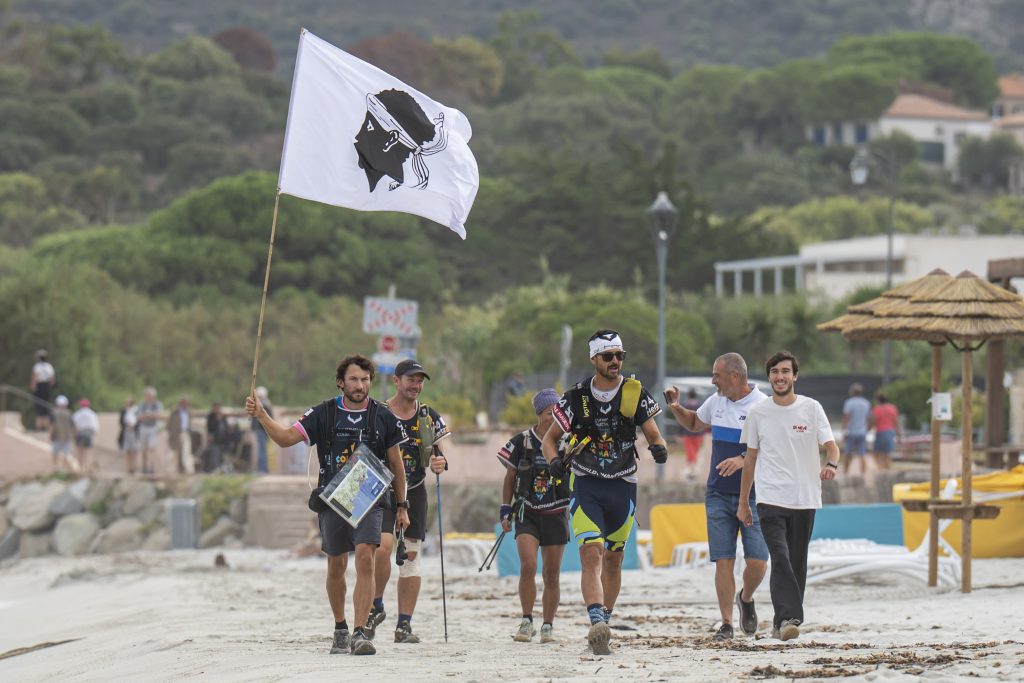
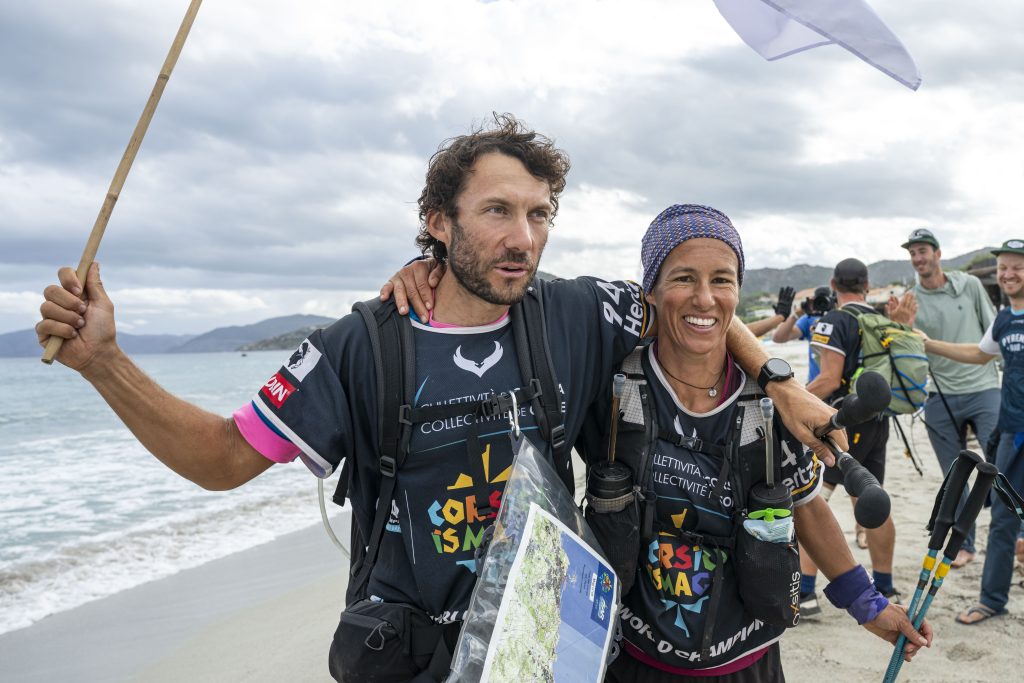
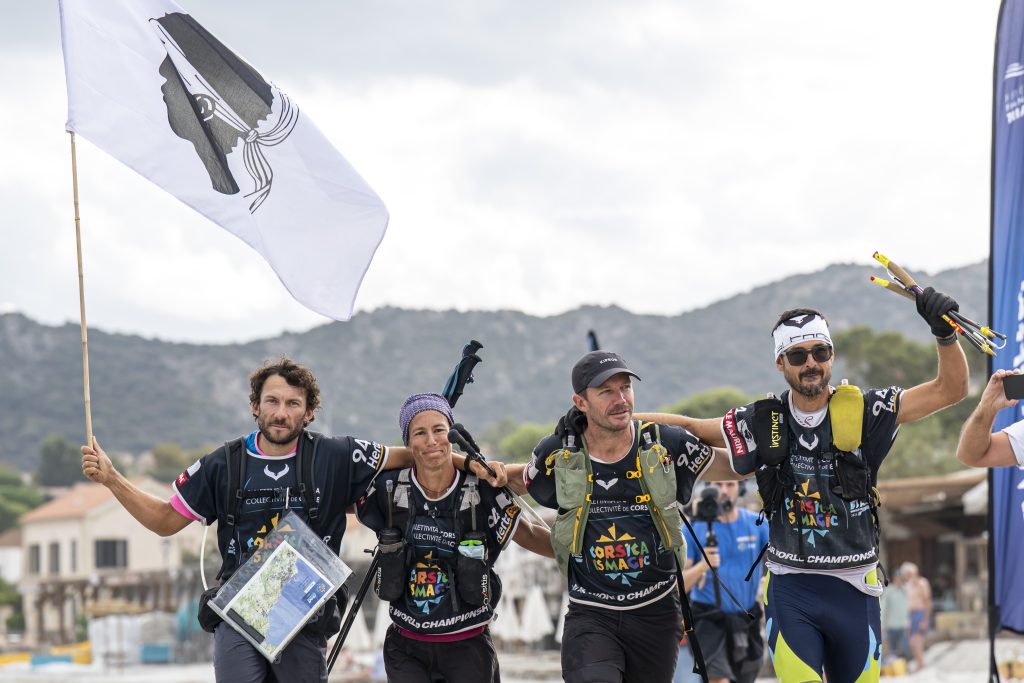
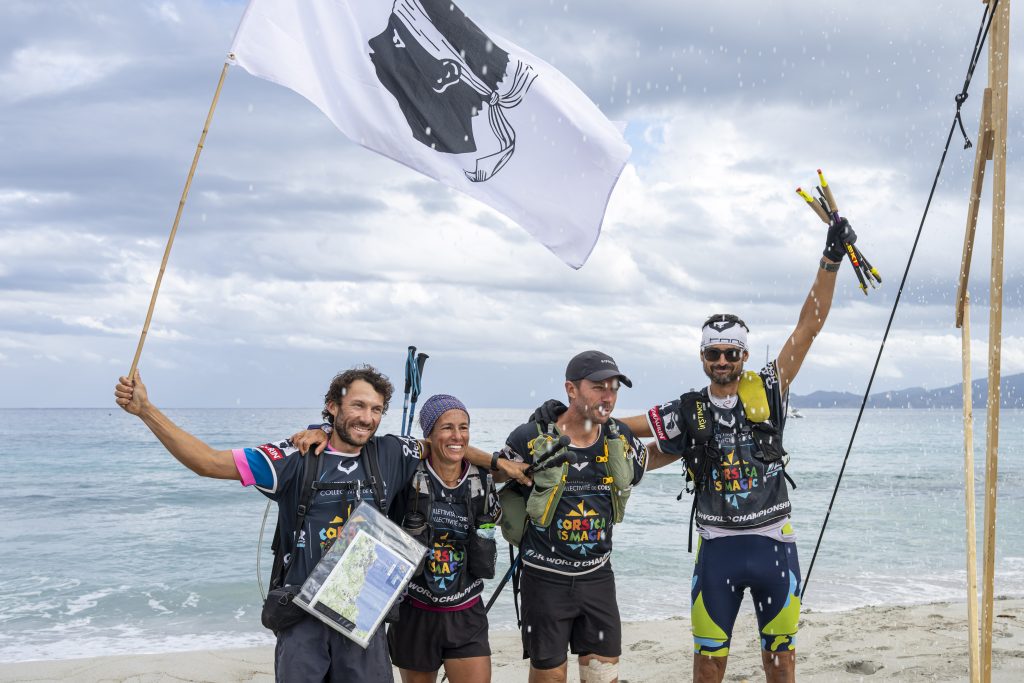
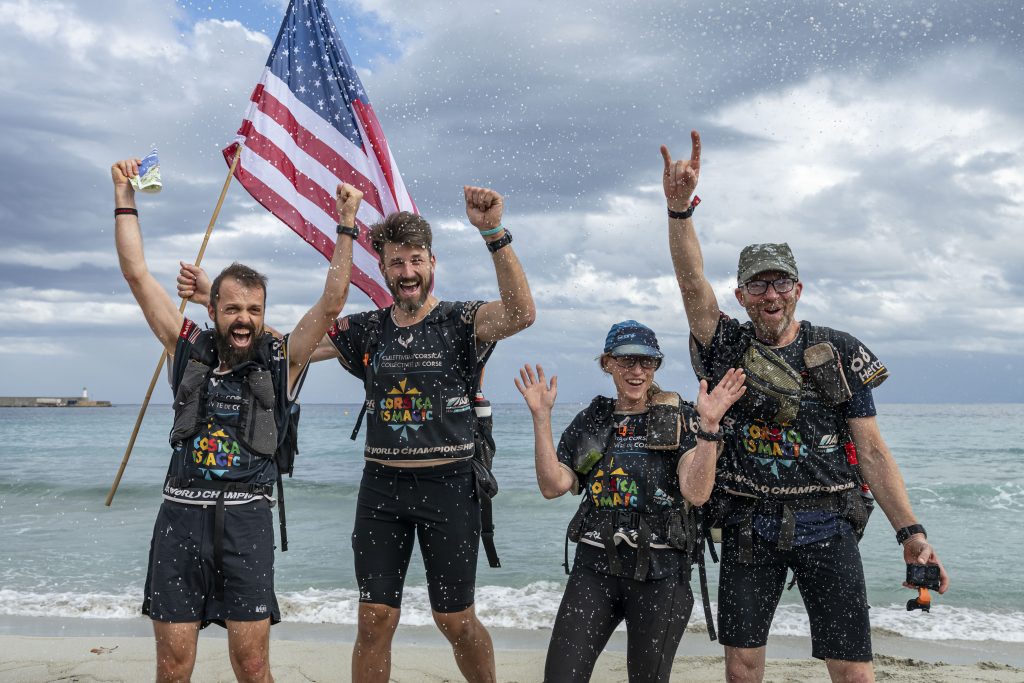
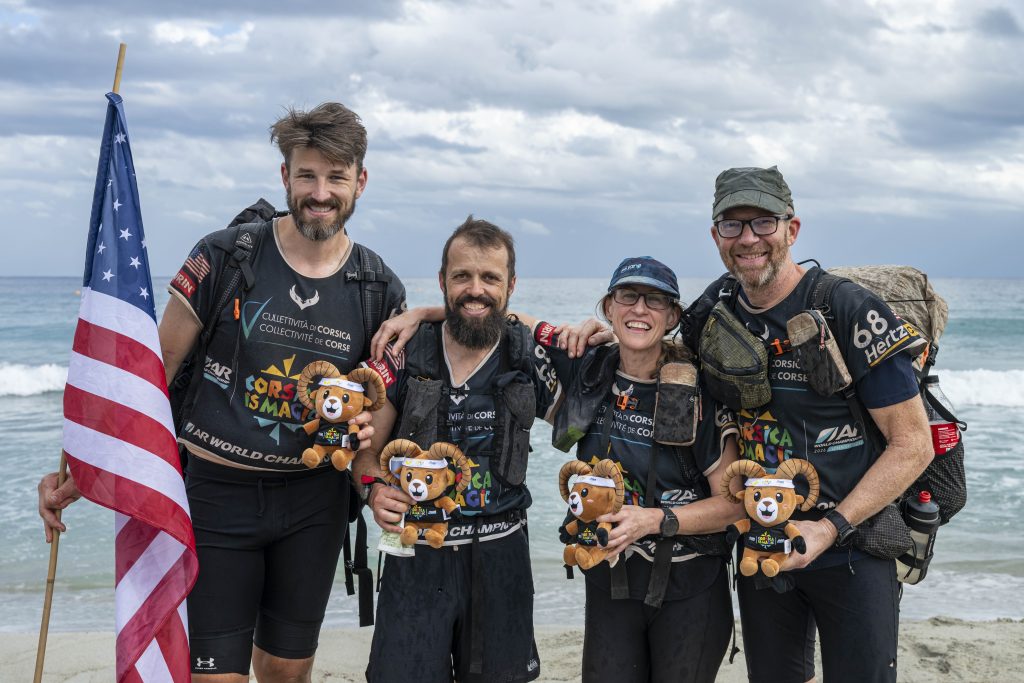
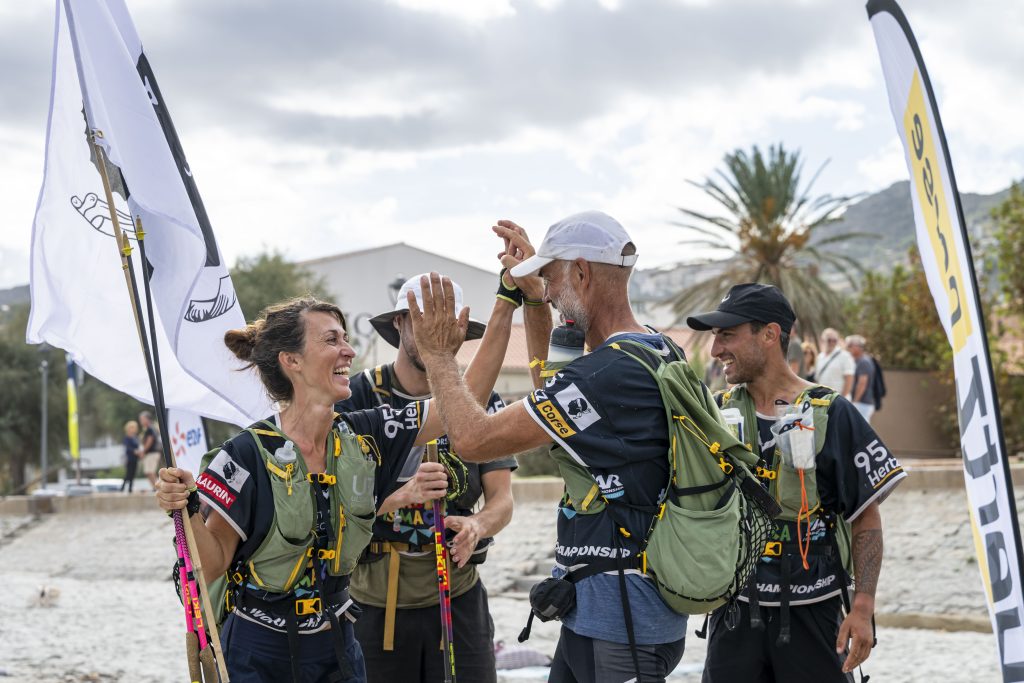
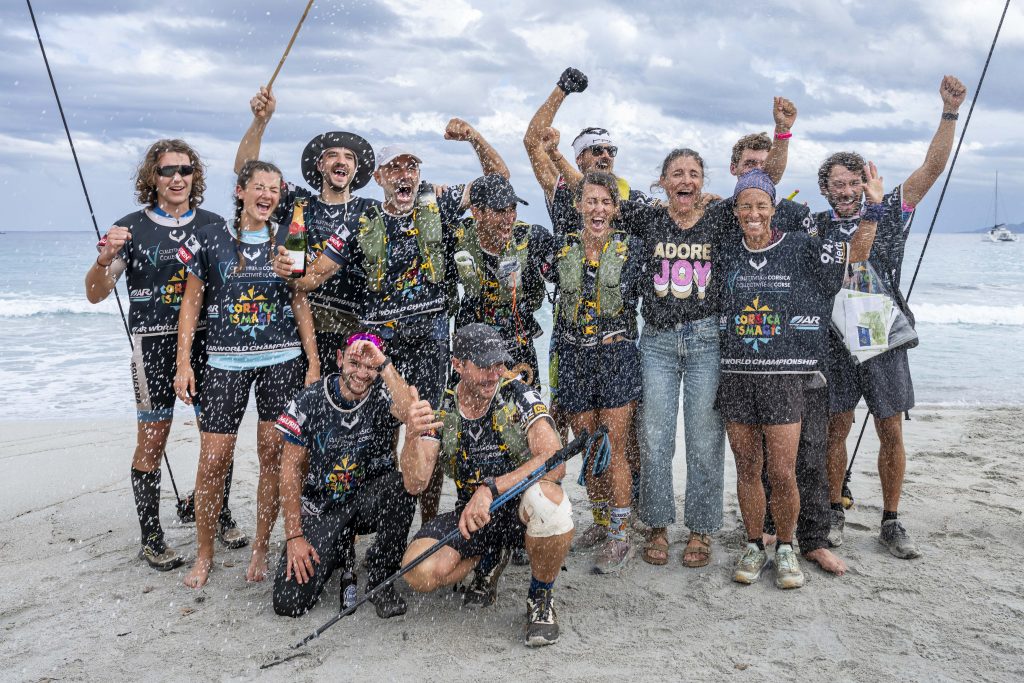
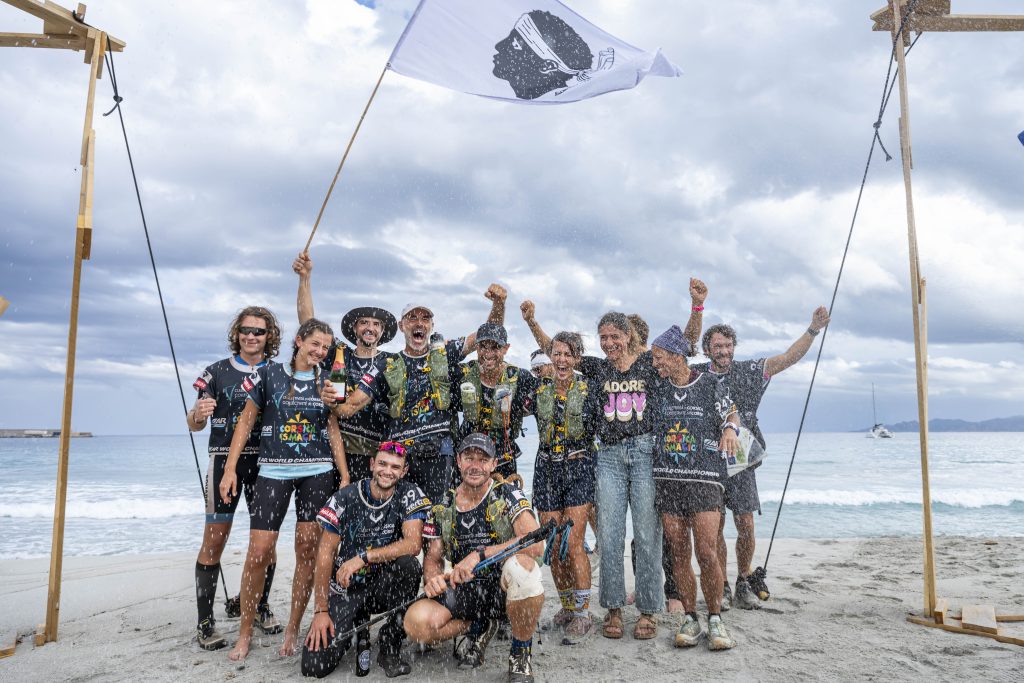
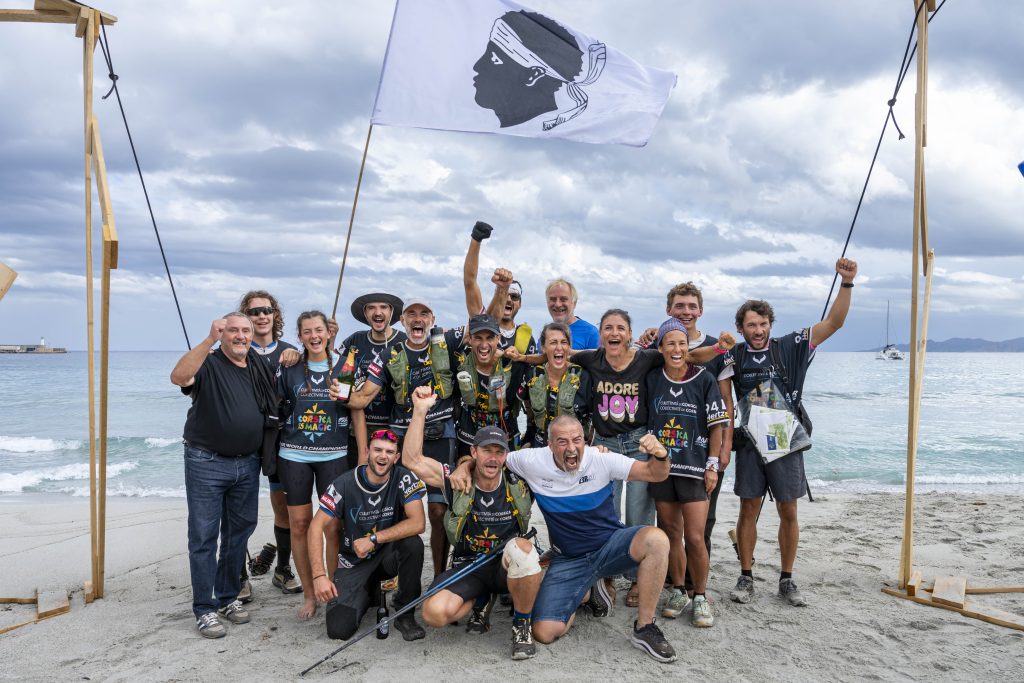
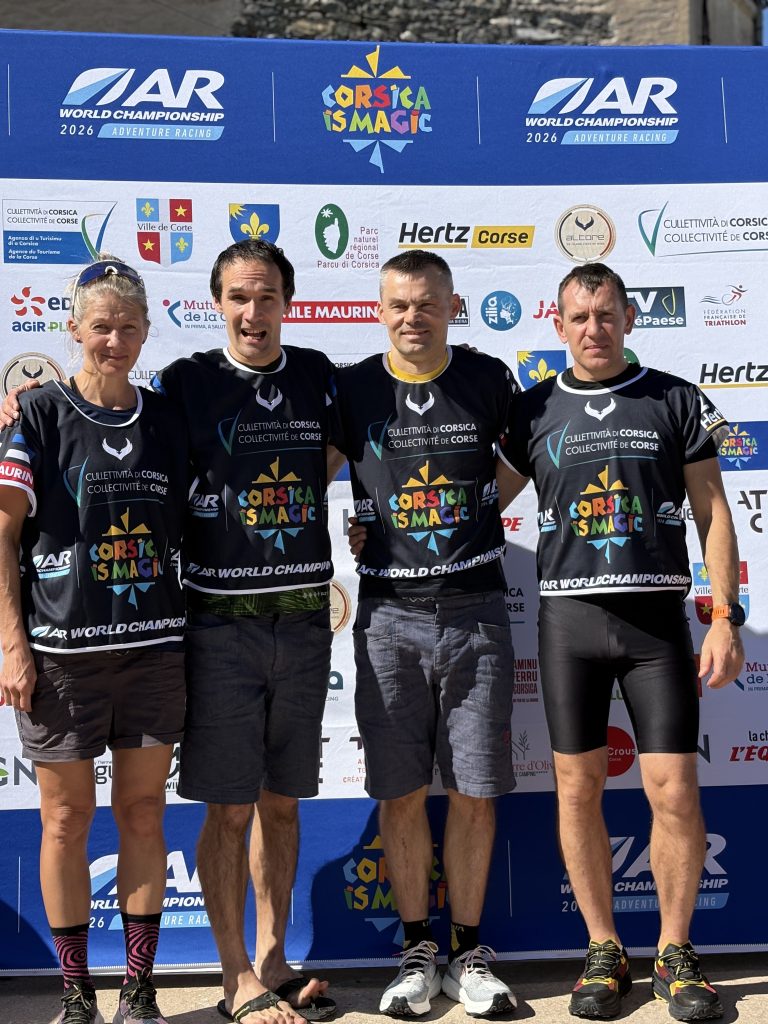
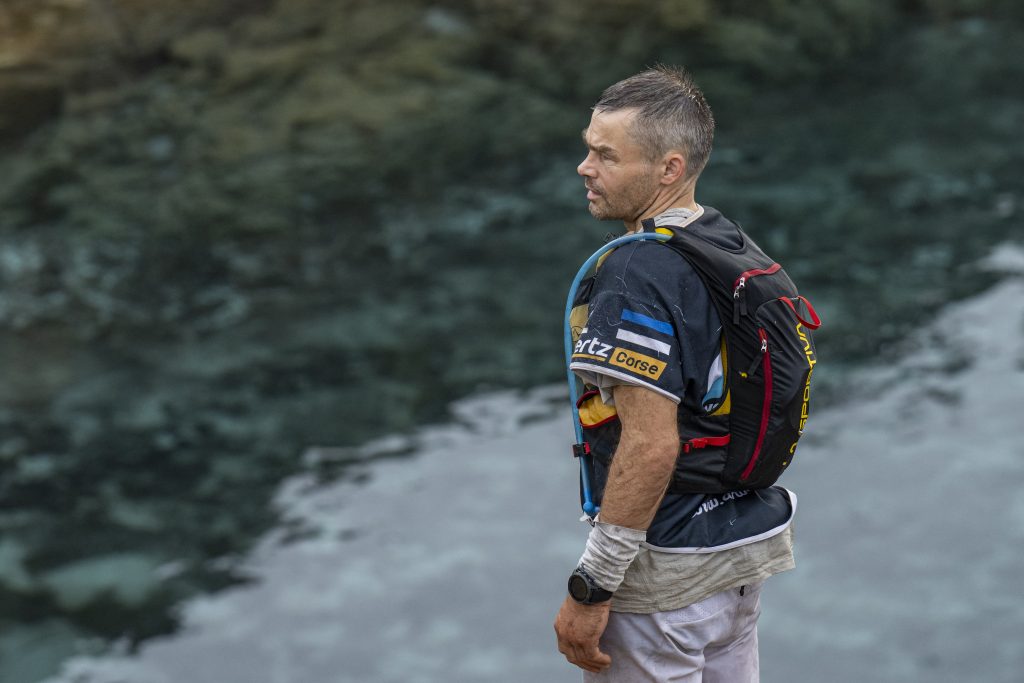
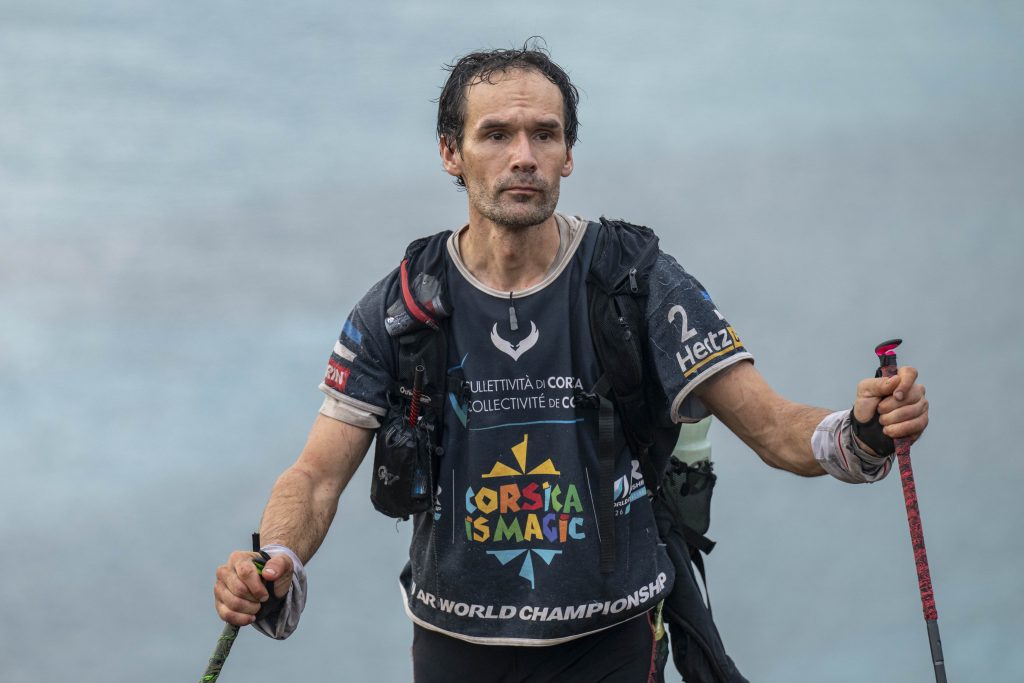
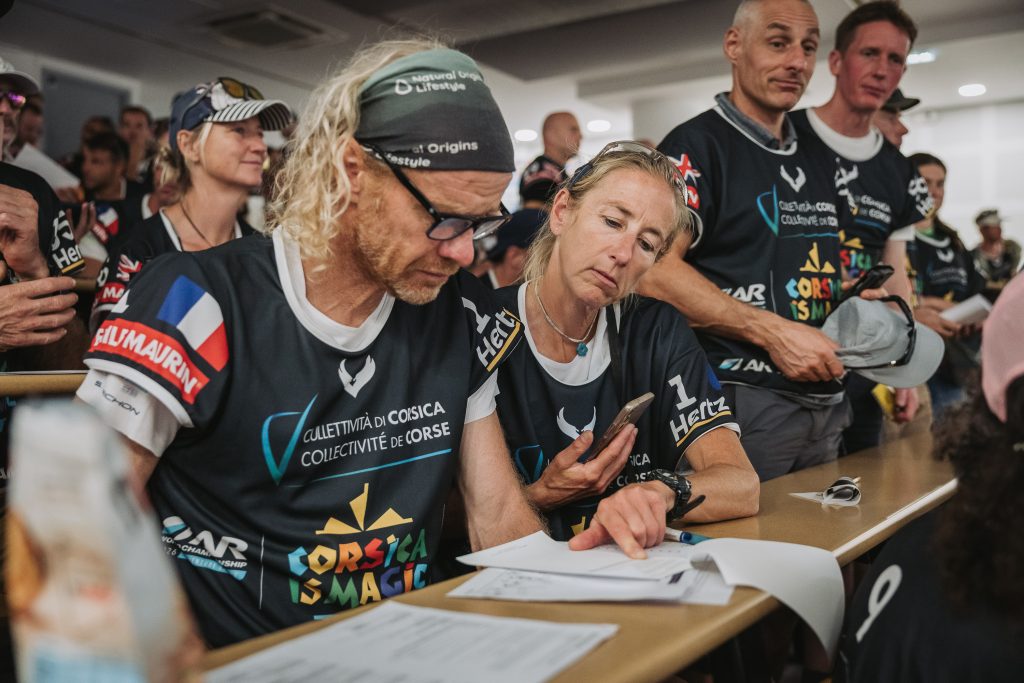
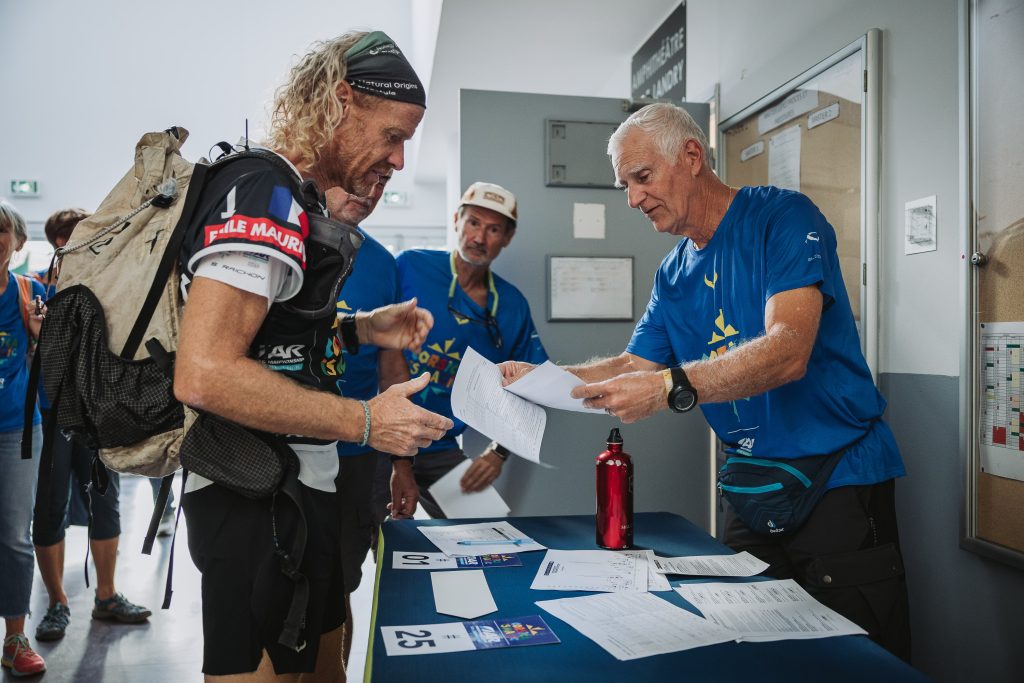
With 98 teams on the start line, 30 nations represented, 150 volunteers and exceptional international reach, the 2026 Adventure Racing World Championship marked a milestone in the history of Raid in France and the ARWS. But for Pascal Bahuaud, its race director, the heart of the event also lies elsewhere: in its connection with the island, the teams’ commitment and the unique experience that turns a sporting competition into a true expedition. A few weeks after the teams crossed the finish line in L’Île-Rousse, he reflects on a demanding edition shaped by a remarkable collective effort, and on the possibilities it has opened up for the future.
With a little distance, what stands out when you look back on this World Championship in Corsica?
A great deal of pride, and a need to take some time to understand everything we experienced. During the race, we are completely absorbed in keeping it running. We have to monitor the teams, anticipate problems, make decisions and adjust the organisation. We do not see the event in the same way as those following it from the outside. We carry the responsibility for it at every moment.
Now, the images, the accounts and our conversations with participants are allowing us to rediscover it. We are gradually coming to understand what this crossing meant to them, but also to the volunteers and everyone who helped make it possible.
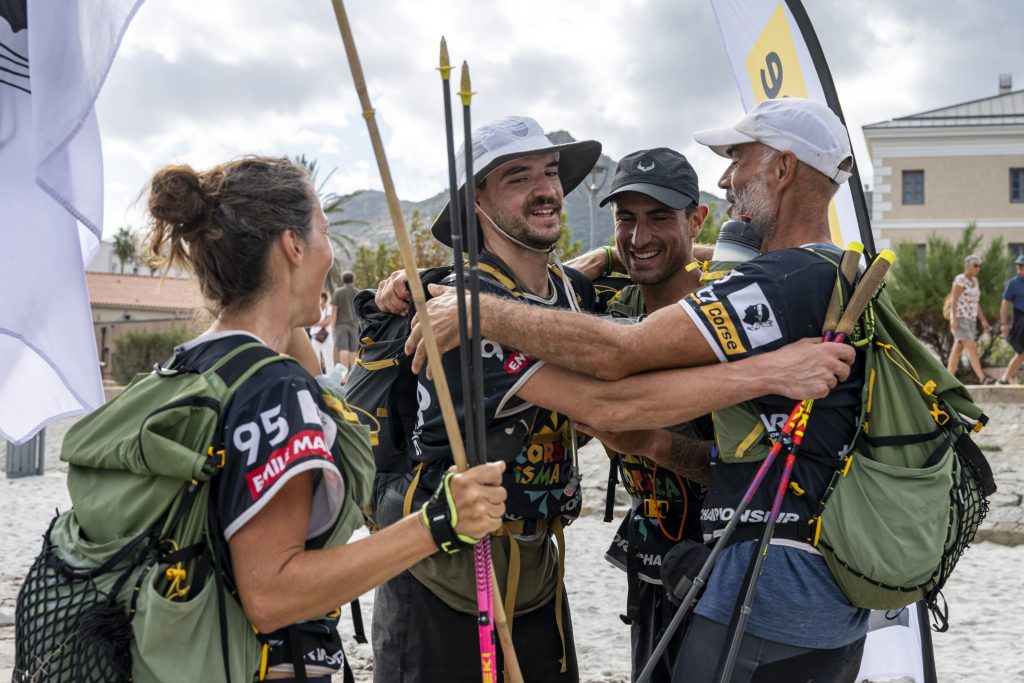
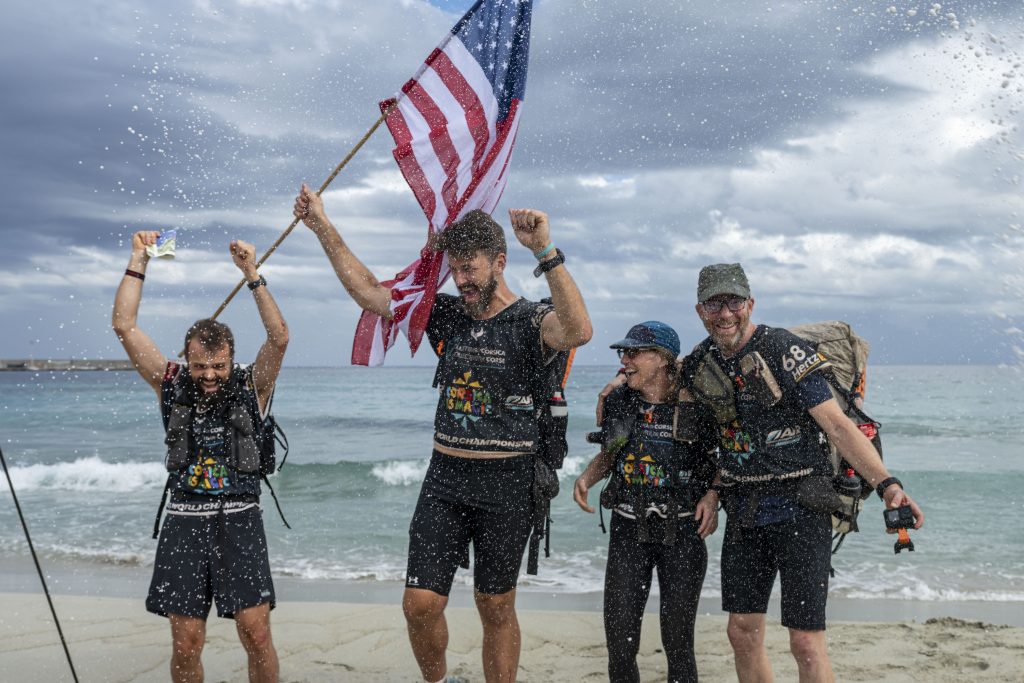
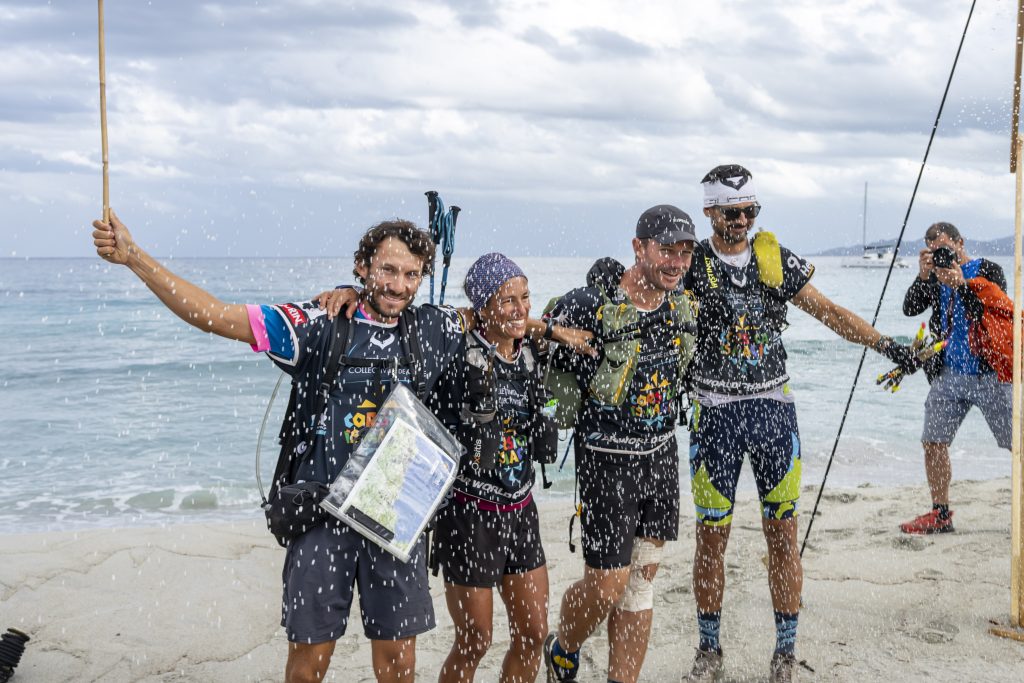
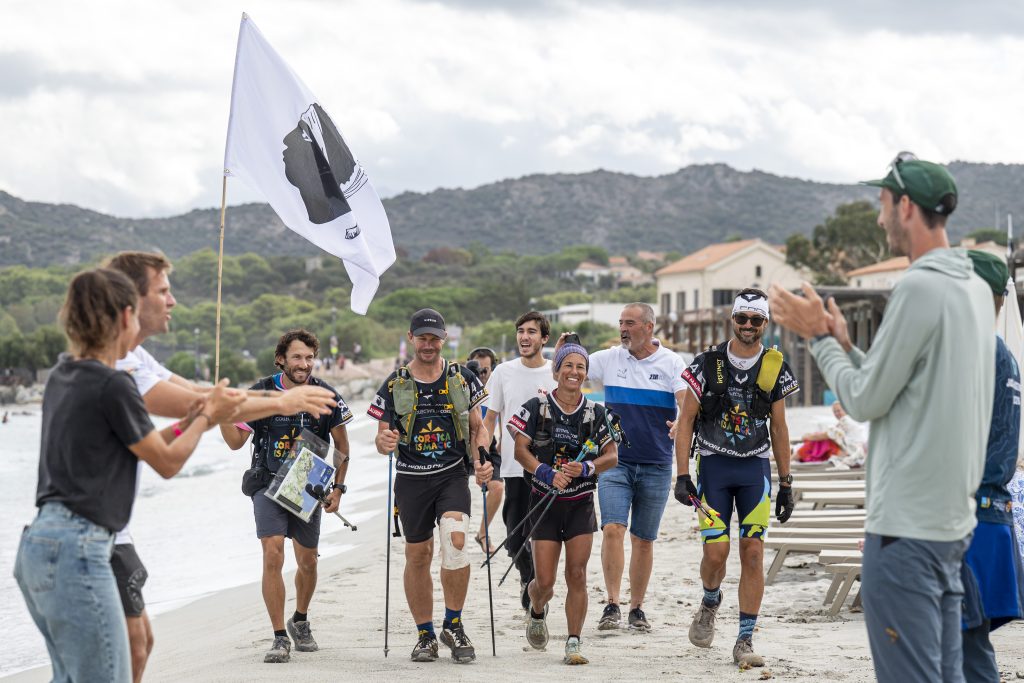
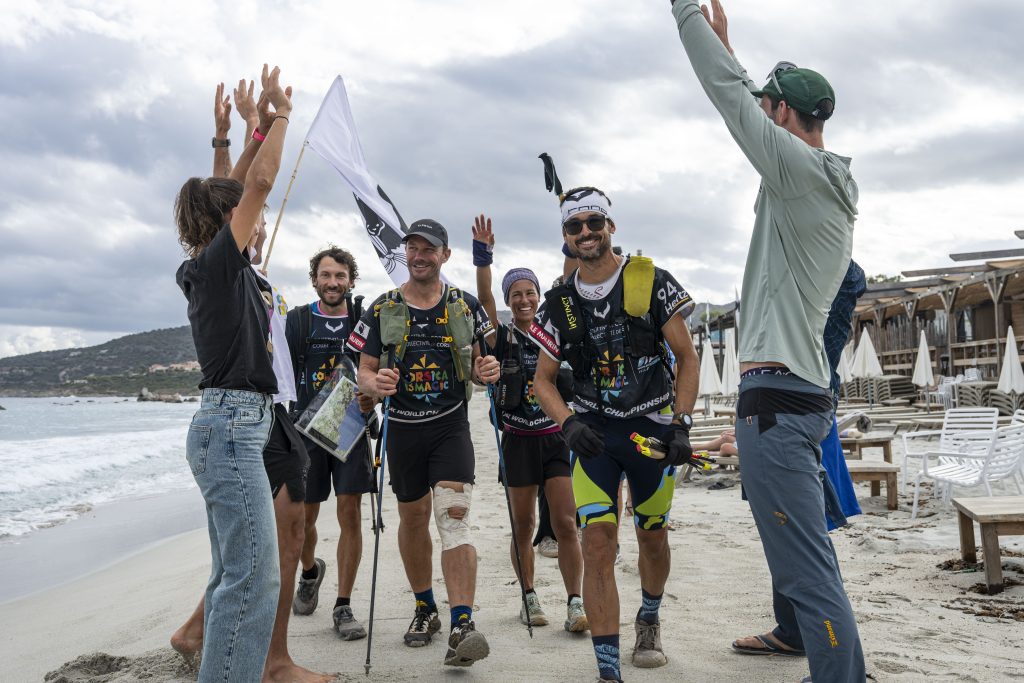
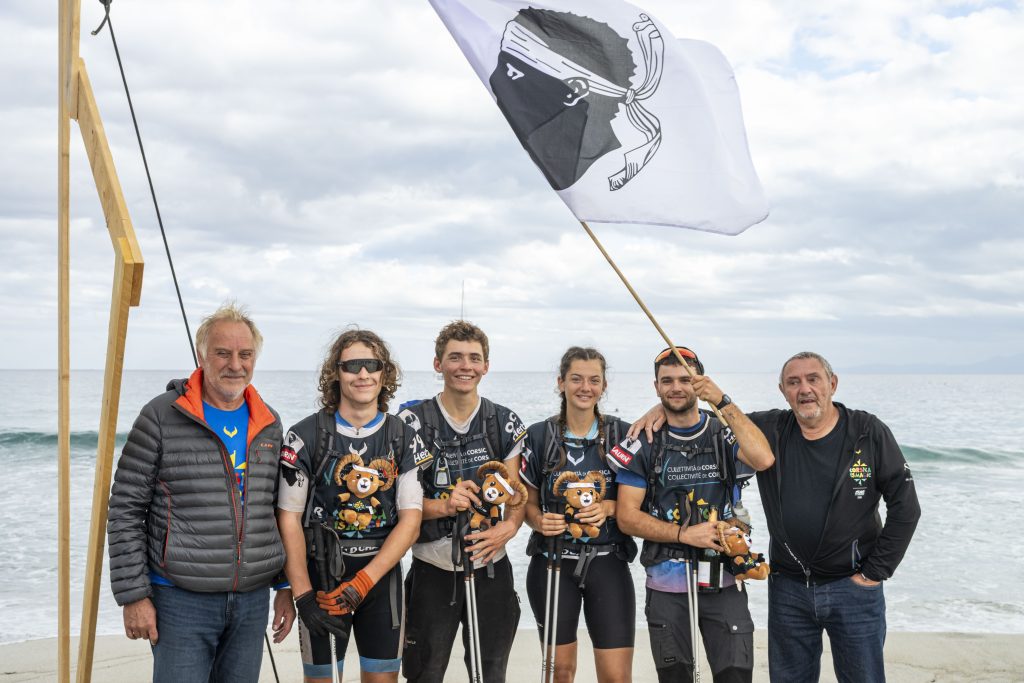
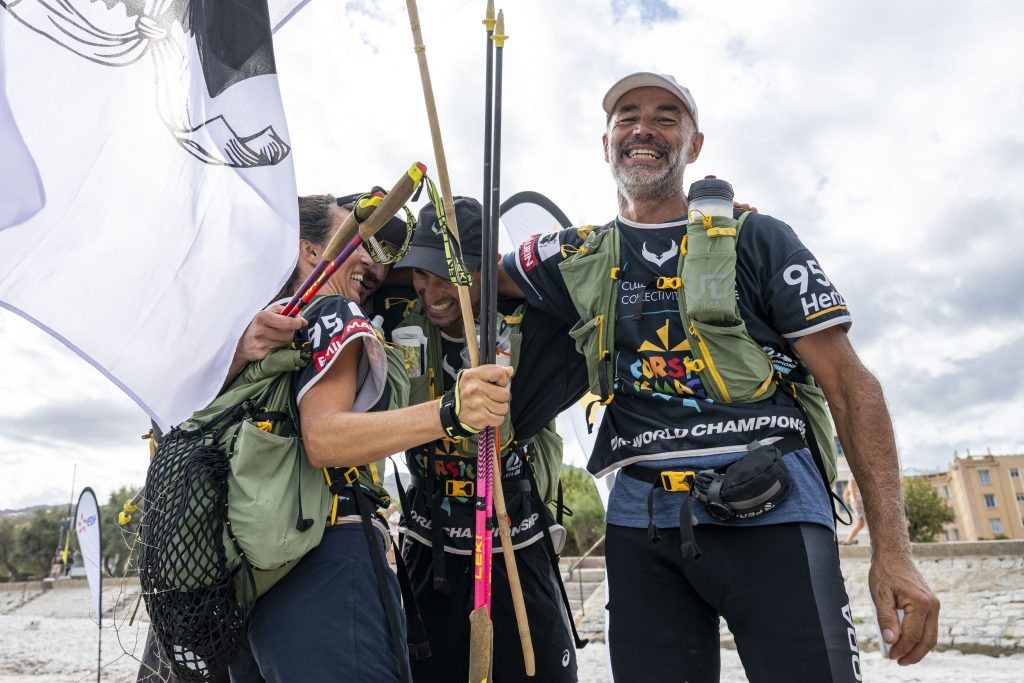
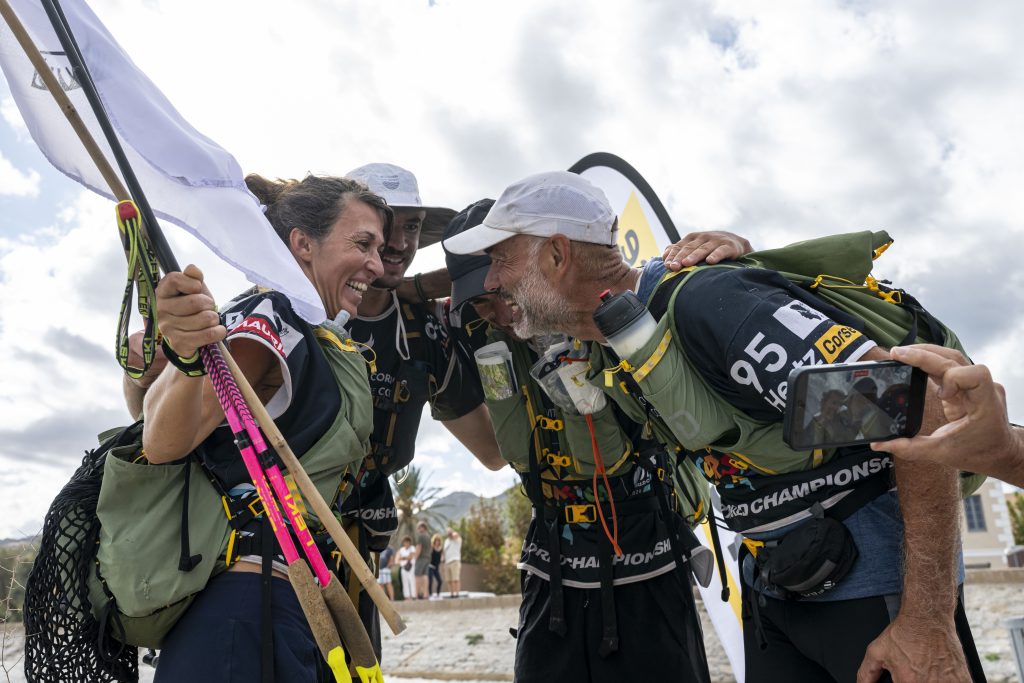
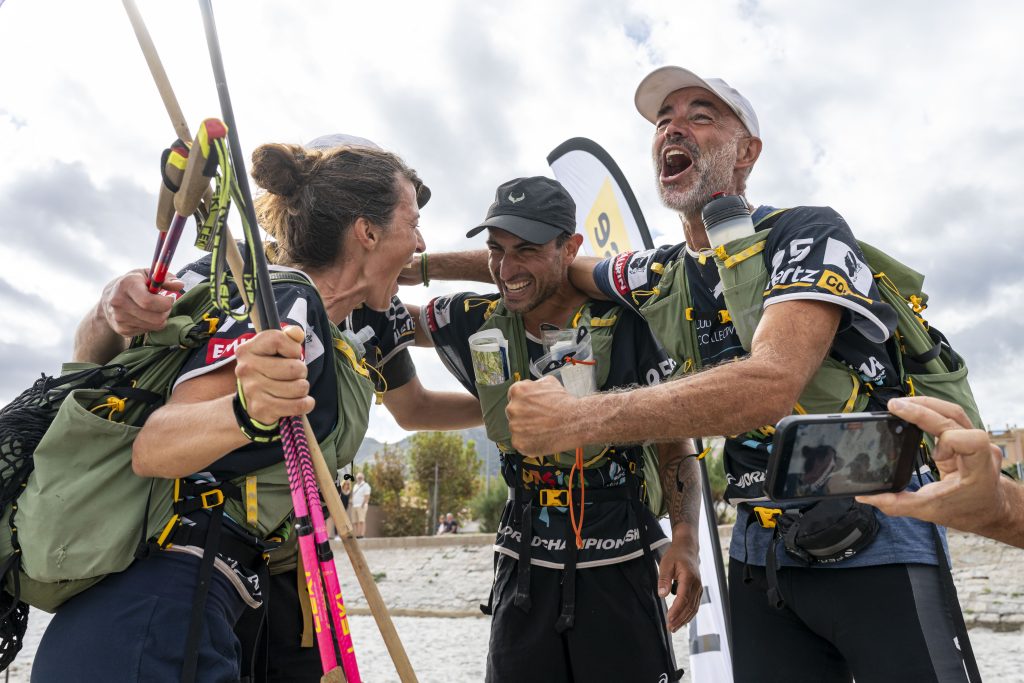
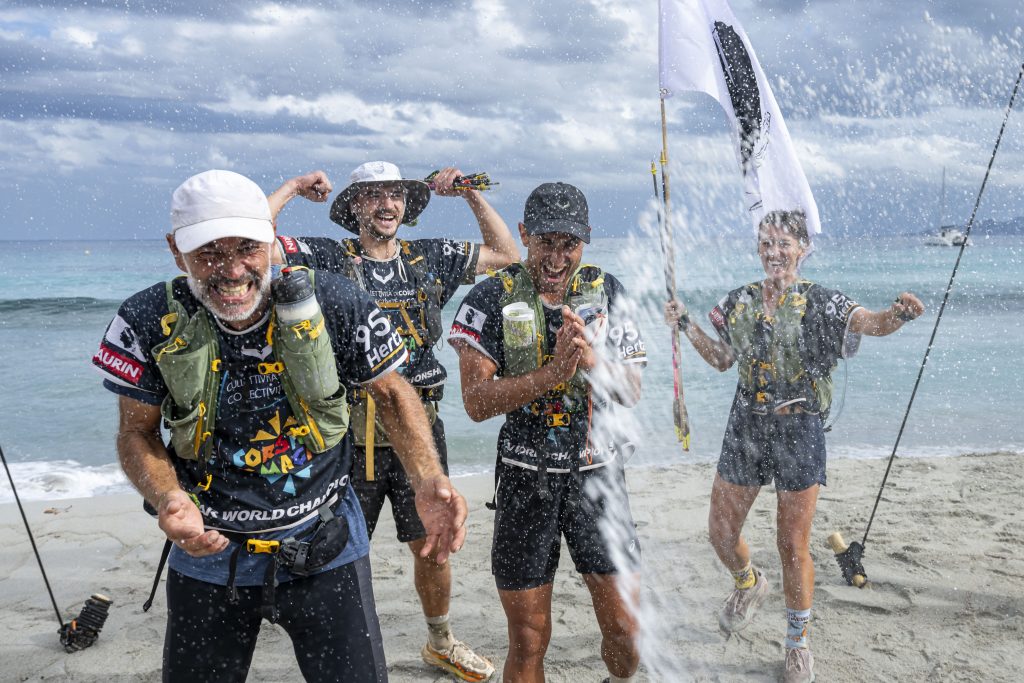
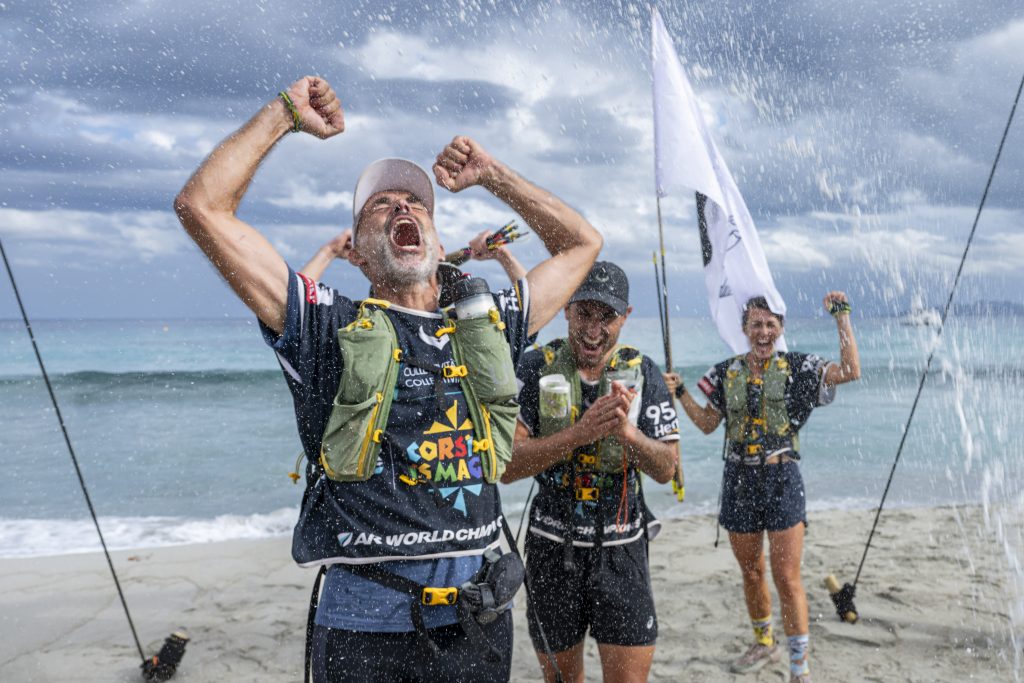
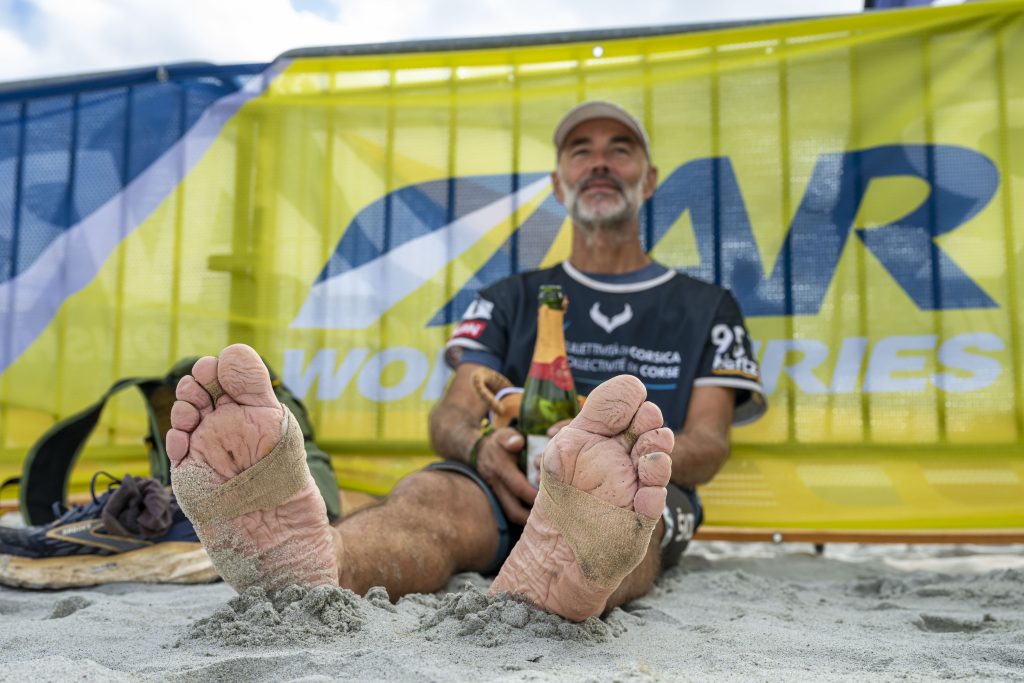
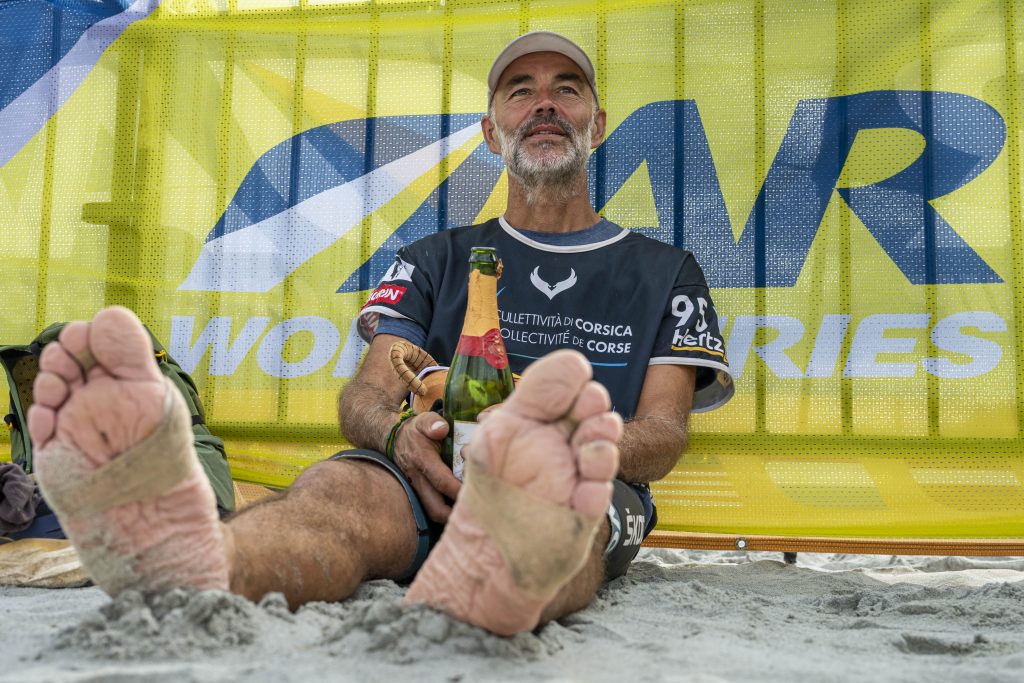
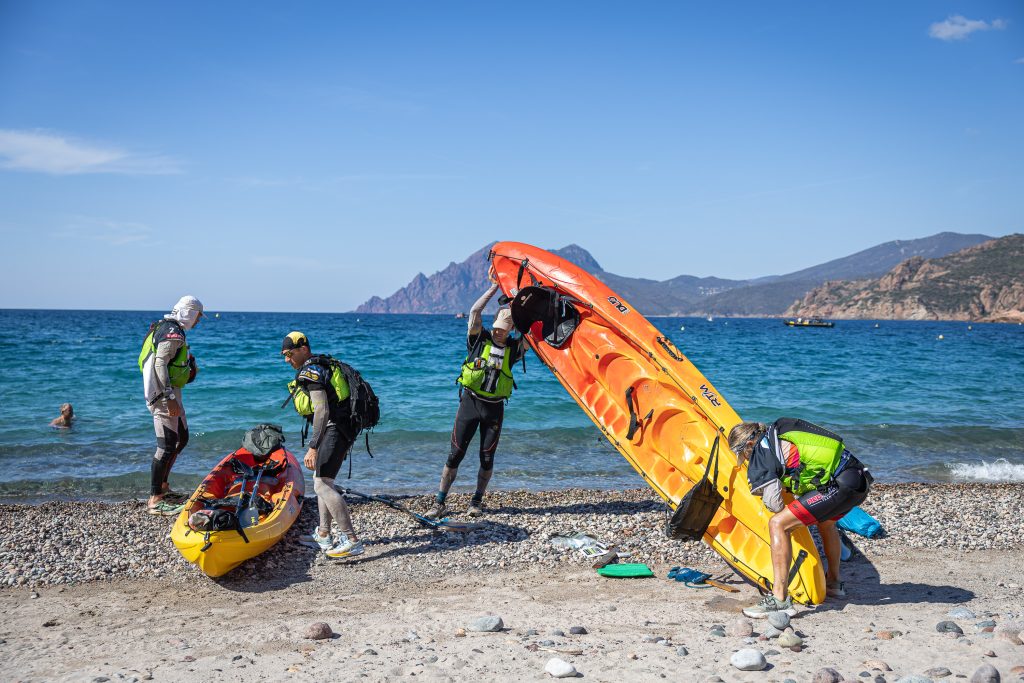
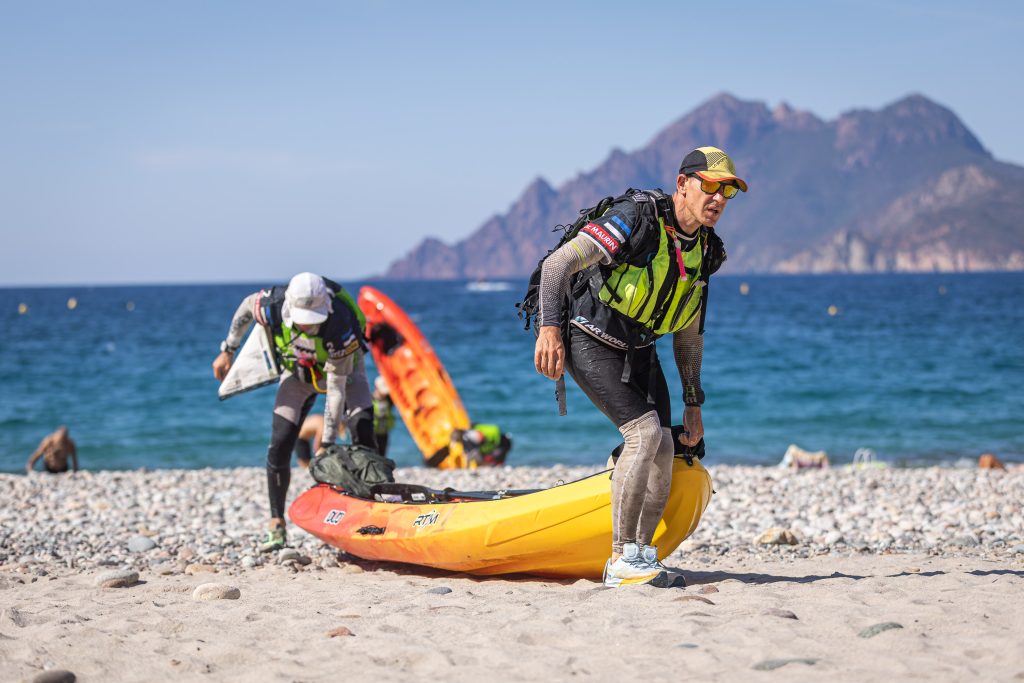
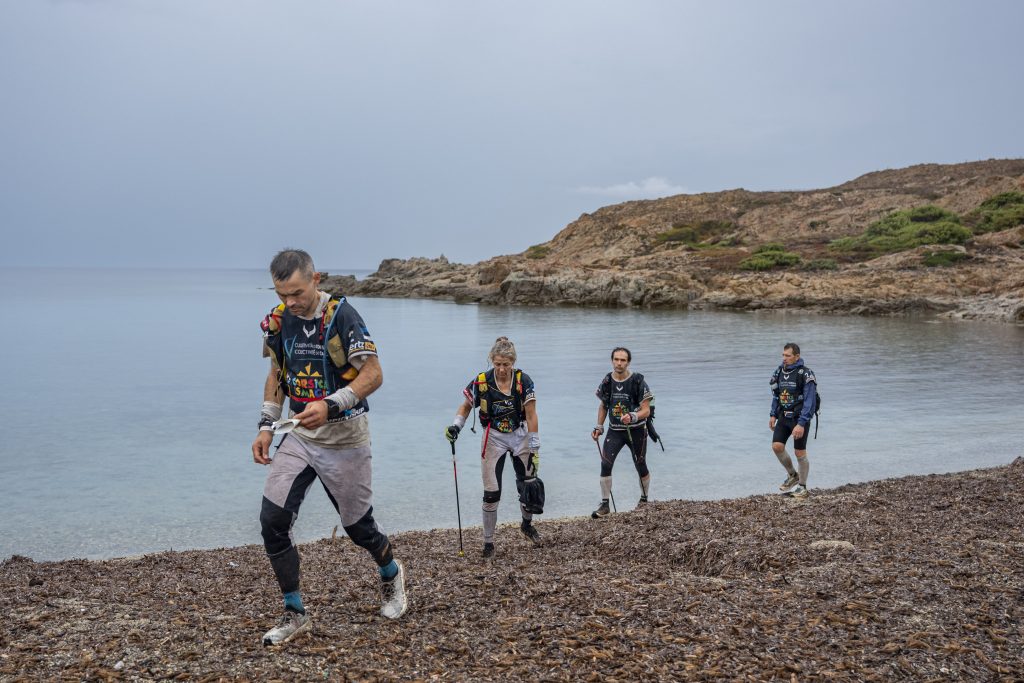
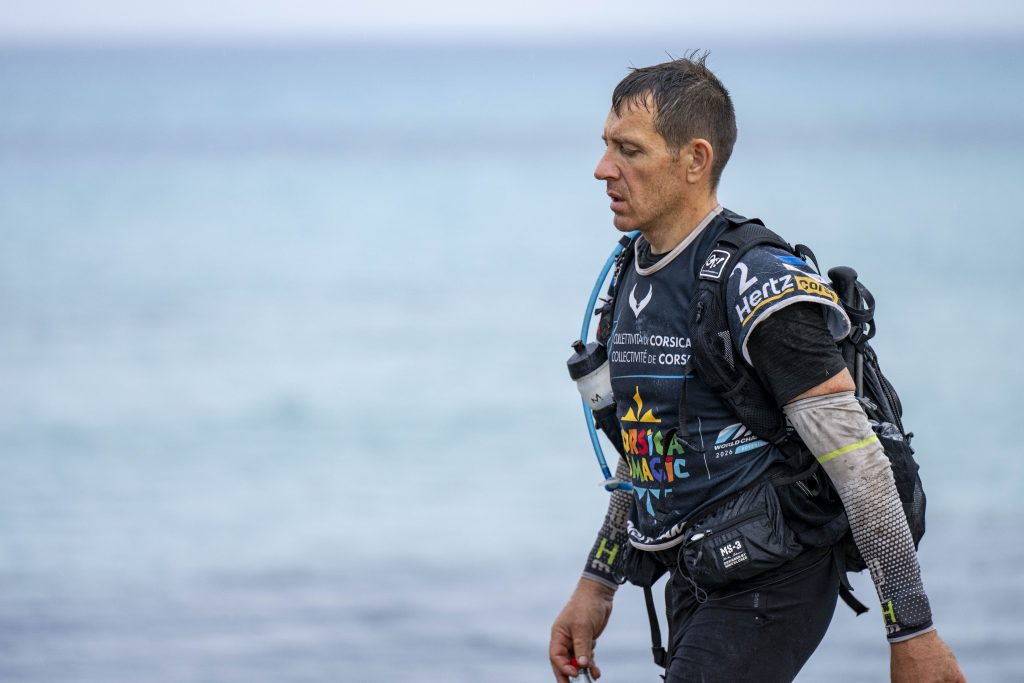
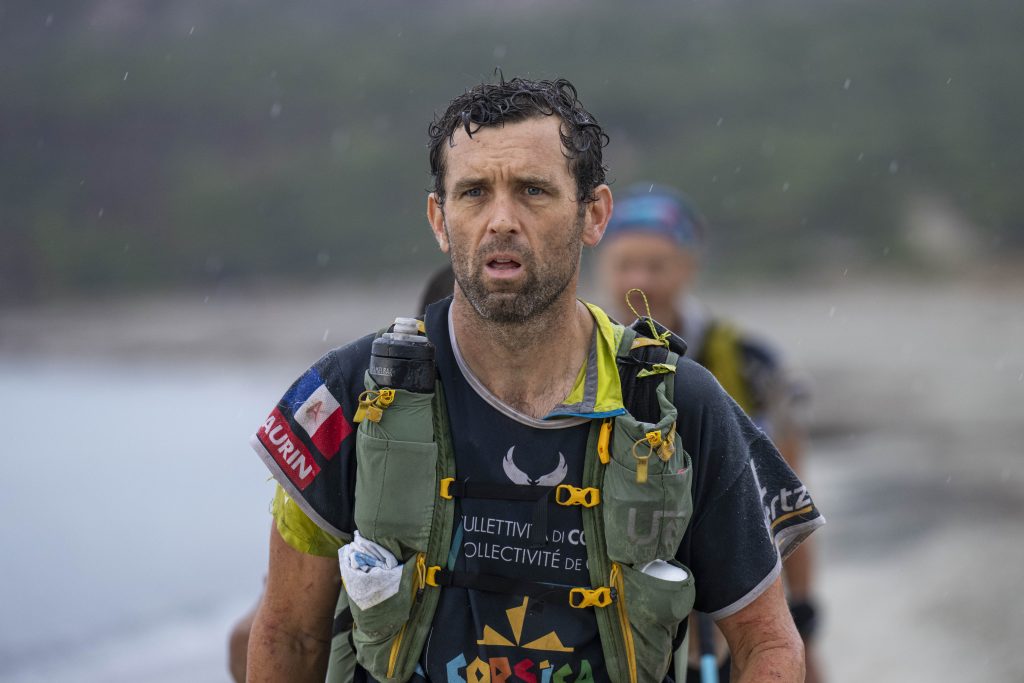
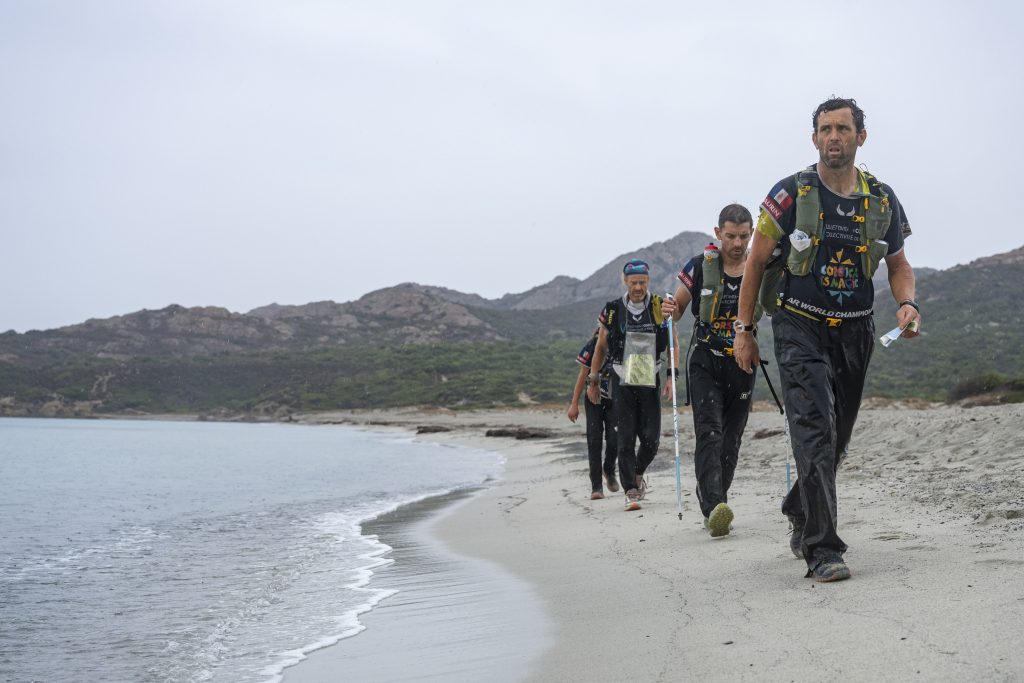
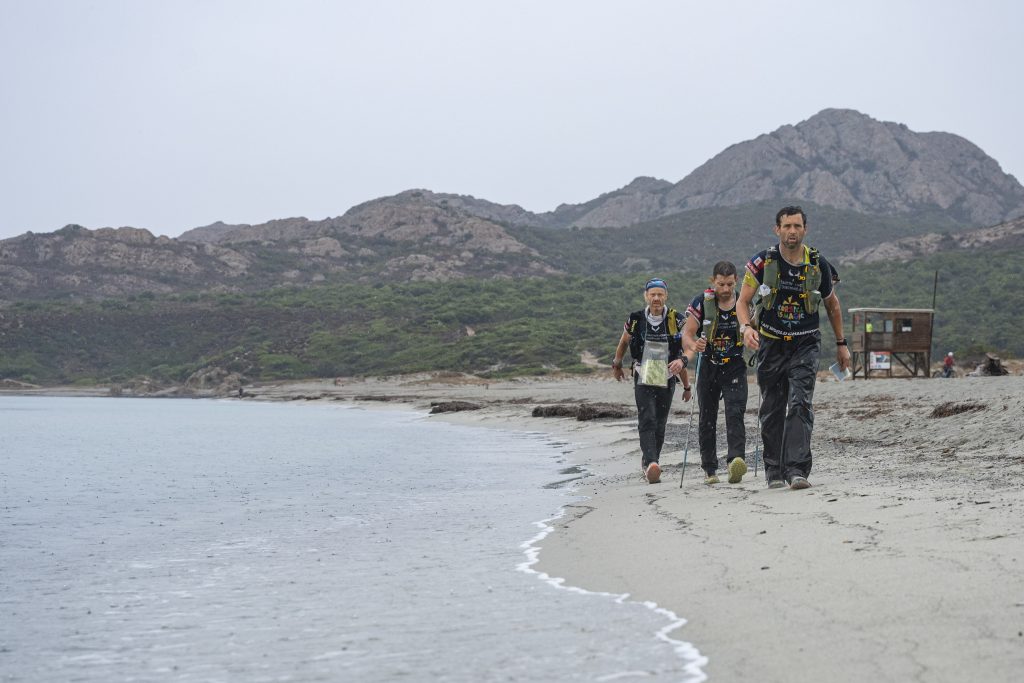
We are proud to have brought together so many teams from across the world. Proud of the support we received in Corsica and the attention the race attracted. And, above all, I am proud that we offered a true expedition. That is what we have been striving to do since the very beginning of Raid in France. In Corsica, that ambition took on a particularly powerful dimension.
You place particular emphasis on the word “expedition”. What does it mean to you, beyond the sporting adventure?
My own journey in this discipline was shaped in part by the Raid Gauloises. There, I discovered an approach to sport in which the natural environment plays a decisive role. You can be extremely well trained and highly competitive, yet still have to rethink everything because the terrain, the weather or your team’s condition demands it.
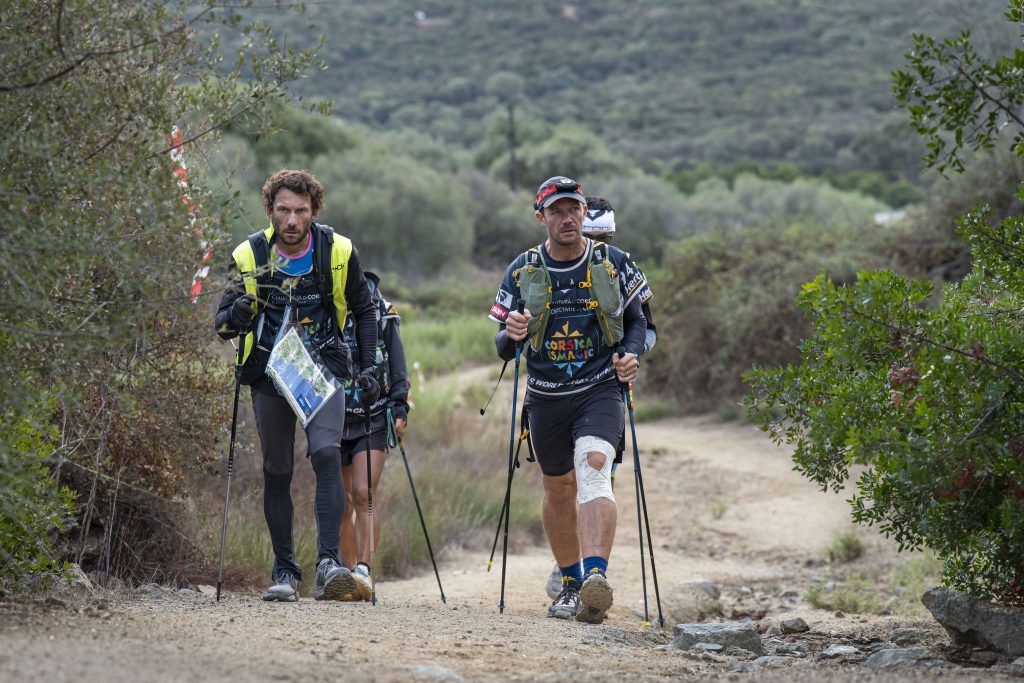
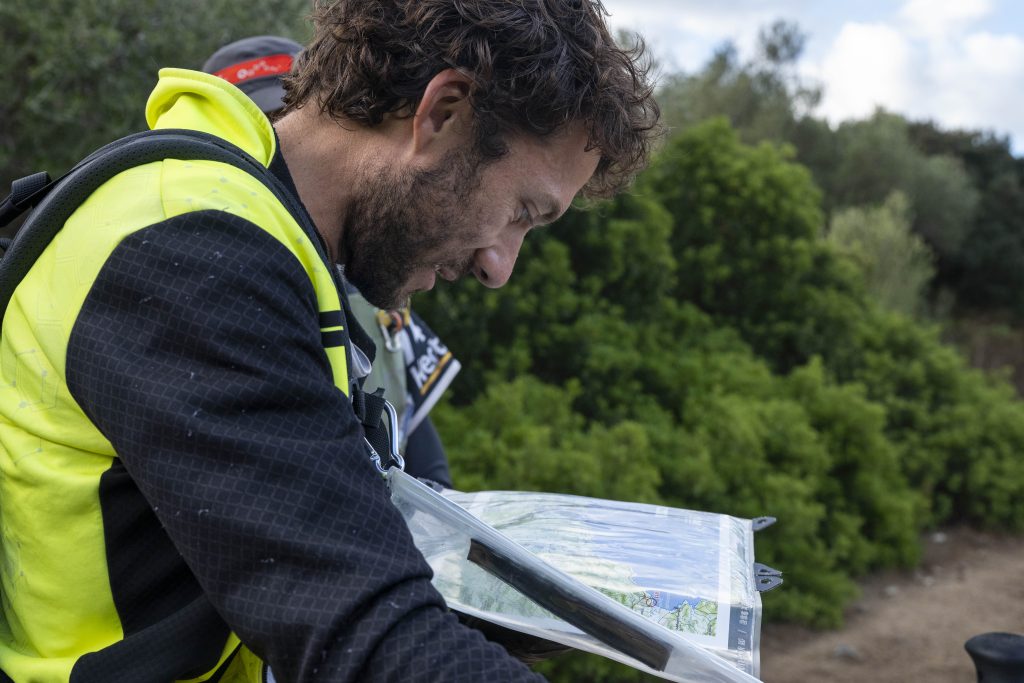
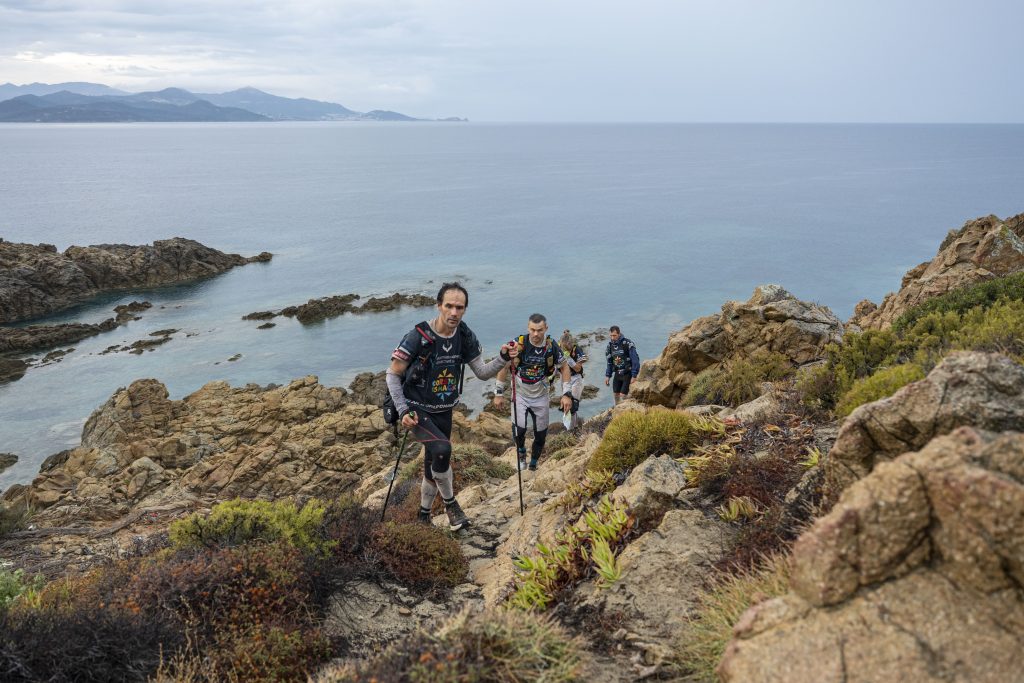
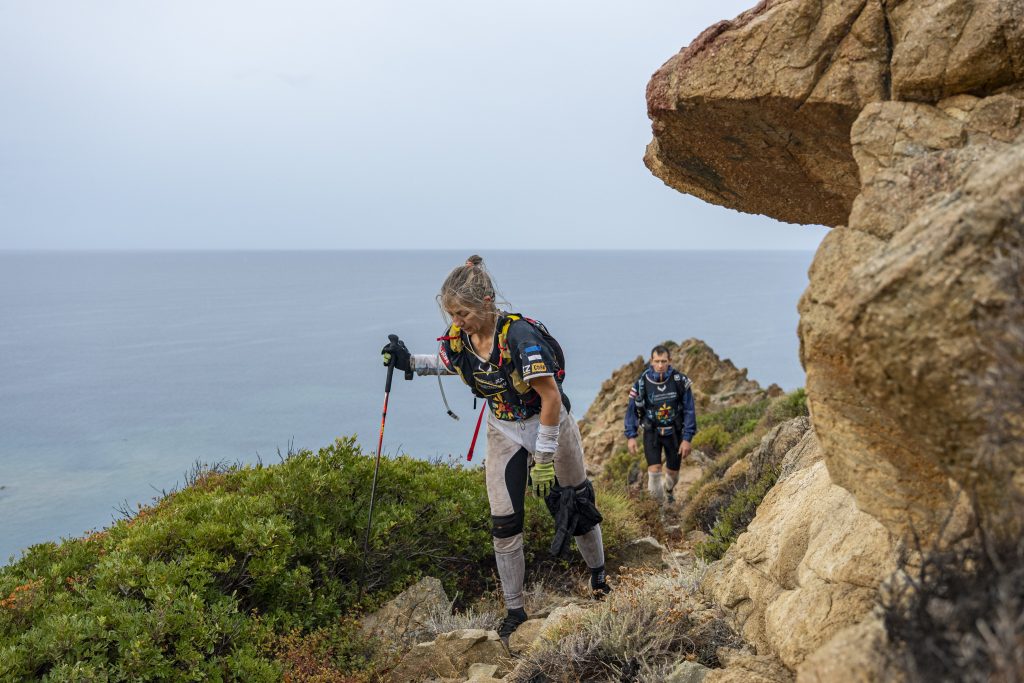
An expedition really comes into its own when the usual answers are no longer enough. You have to observe more closely, look for a way through, accept that you need to slow down, reconsider a decision you thought was right. You can no longer simply follow your original plan. That is the moment that truly interests me: when physical ability has to be matched by judgement, patience and a real capacity to work as a team.
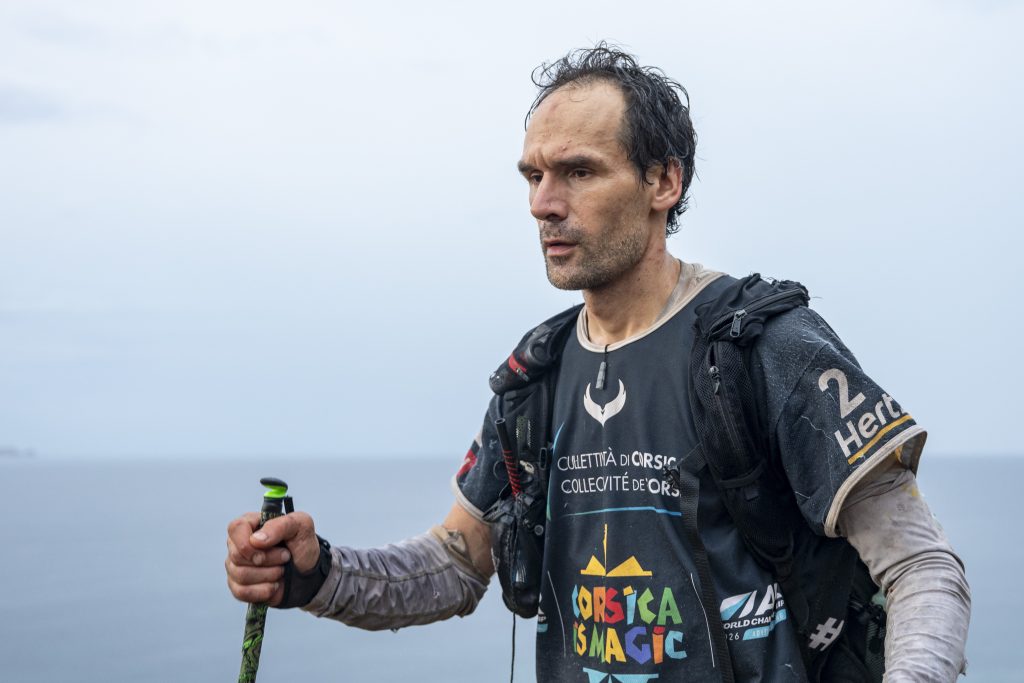
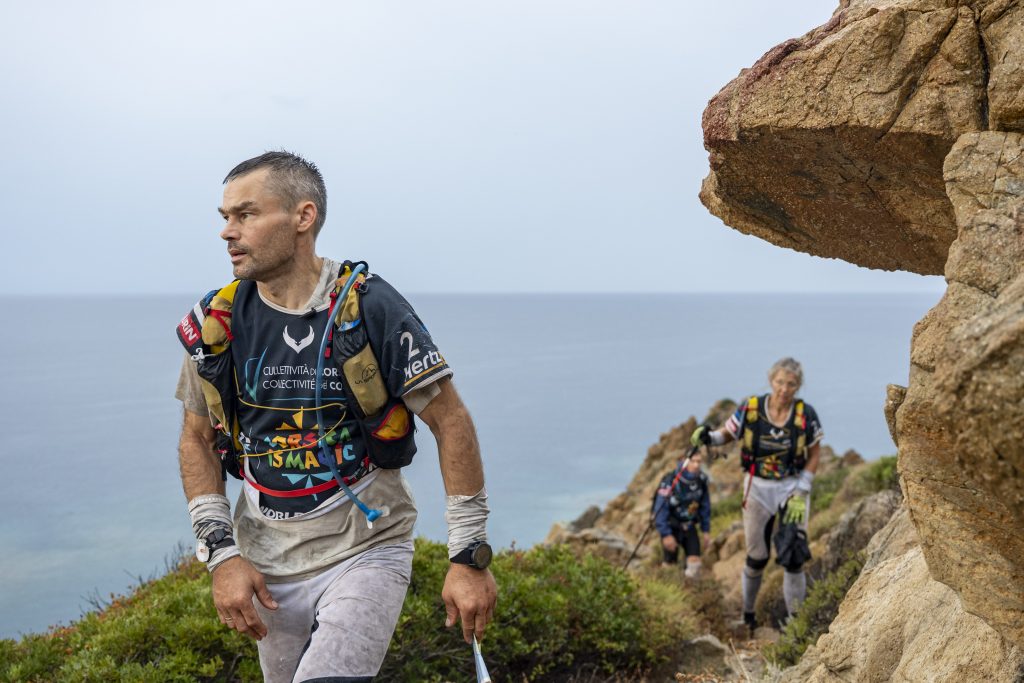
Over several days and nights, the experience also changes your relationship with things. Finding water, eating, finding shelter, getting a little sleep, understanding where you are and how to move forward become very immediate concerns. You regain an almost instinctive awareness of your surroundings. Your senses awaken. You feel the cold, the terrain, the light and the presence of others more intensely.
It is a kind of return to the essentials, to our existence as living beings within the natural world. We seek to create the conditions for that immersion, with all the commitment it demands and the profound human experience it can offer.
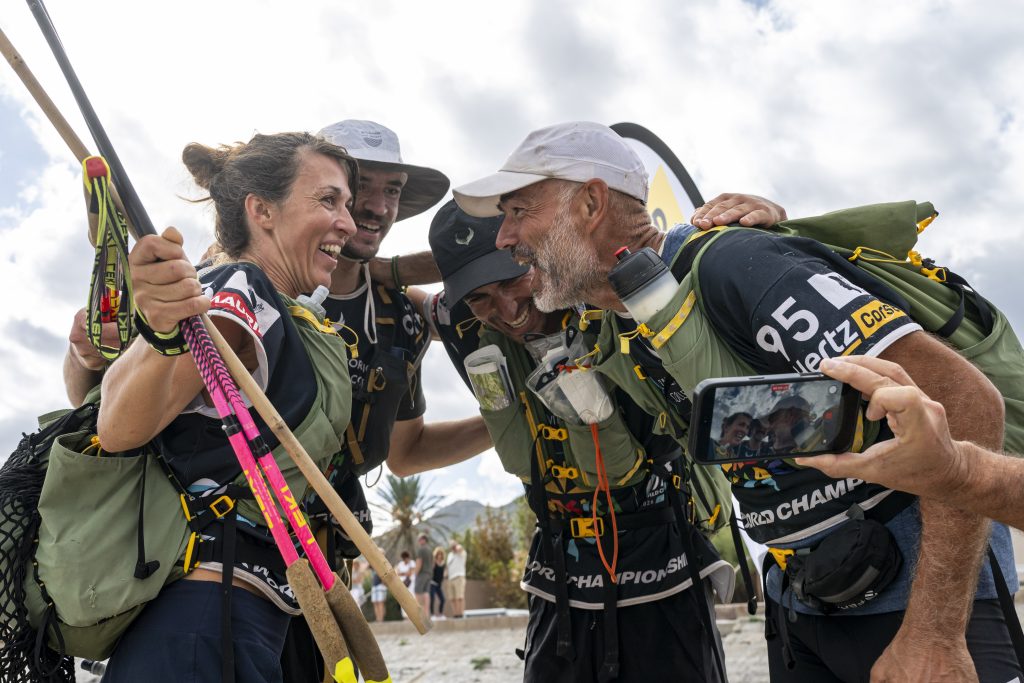
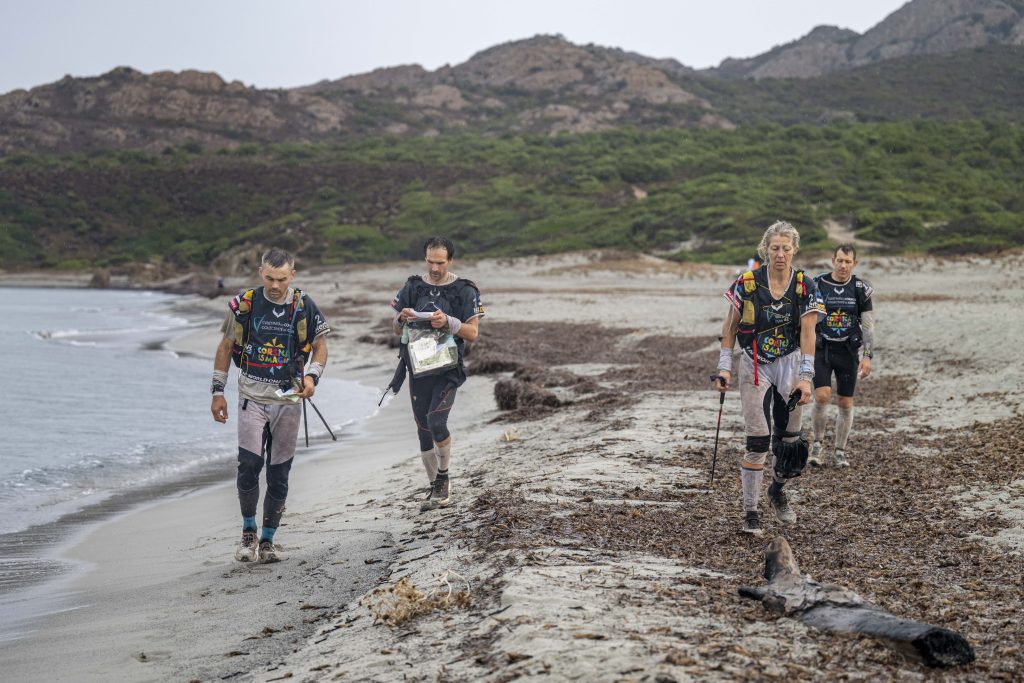
In the end, twenty-seven teams completed the full course, with very different backgrounds, levels of experience and sporting abilities. There would surely have been more had the weather been kinder to us. That result matters enormously to us: it shows that an expedition is accessible beyond the elite. You can find your place without aiming to win, progressing at your own pace and drawing on other strengths: perseverance, adaptability, looking after one another and finding a solution together when you are no longer quite sure how to carry on.
Racing for a place in the rankings is one way to experience sport, but it should not become the only goal. You can also take part to discover how far you can go, explore a place or share a powerful experience with your teammates. That requires serious preparation and total commitment. But the value of what you achieve cannot be measured solely by your speed or finishing position.
This is central to our vision of Raid in France: enabling different teams to experience the same expedition to the full, each with their own abilities and ambitions. Of course, the best teams should be able to compete against one another, while others should have the chance to see through a project that may initially have seemed enormous, or even impossible.
How did that vision shape the design of the Corsican course?
I did not want to arrive with a race format to replicate. A place like Corsica requires you to take the time to explore it, get to know it and understand what gives it its character. The course had to grow out of that encounter.
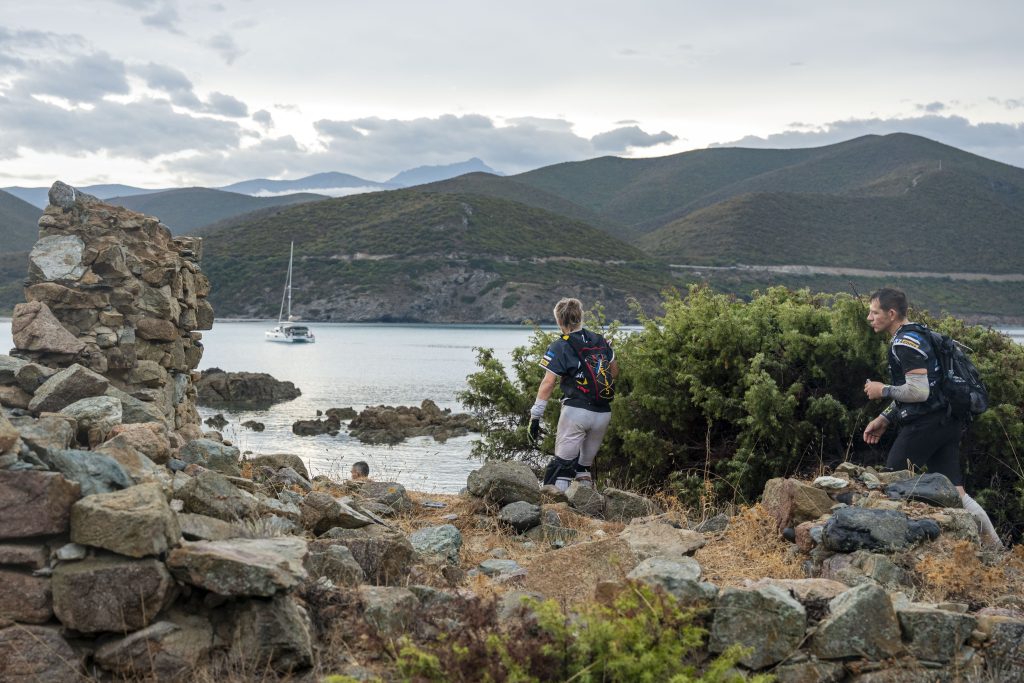
I visited the island twenty-five times to prepare for this edition. I walked, paddled, studied maps, read books and spoke to people who know these places intimately. Gradually, routes begin to emerge and connections become possible. Then you return to the terrain and test your ideas against reality.
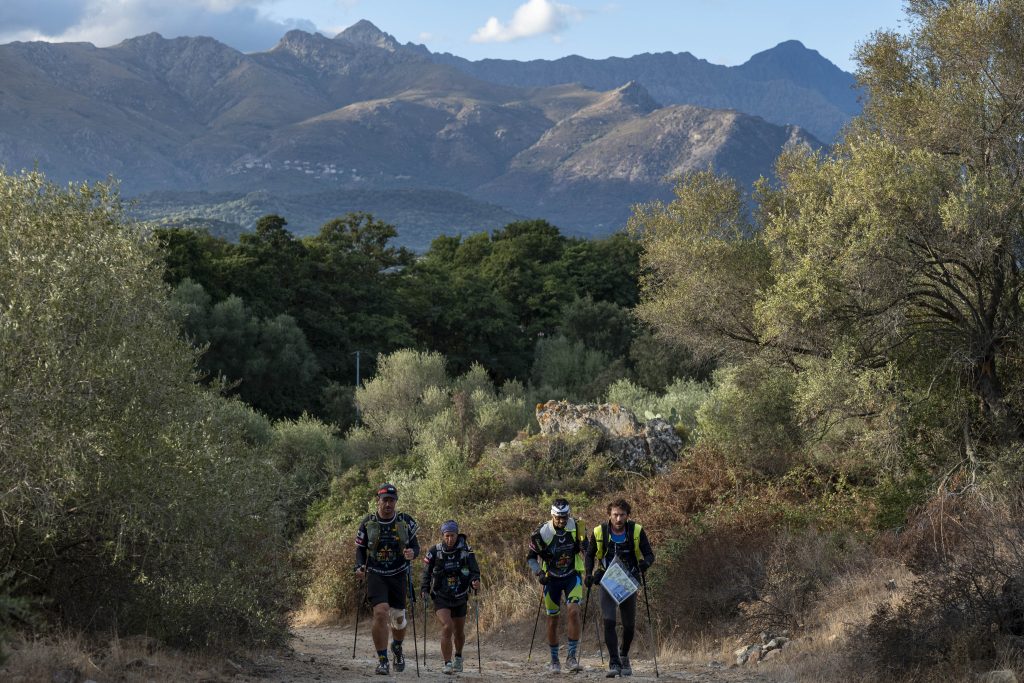
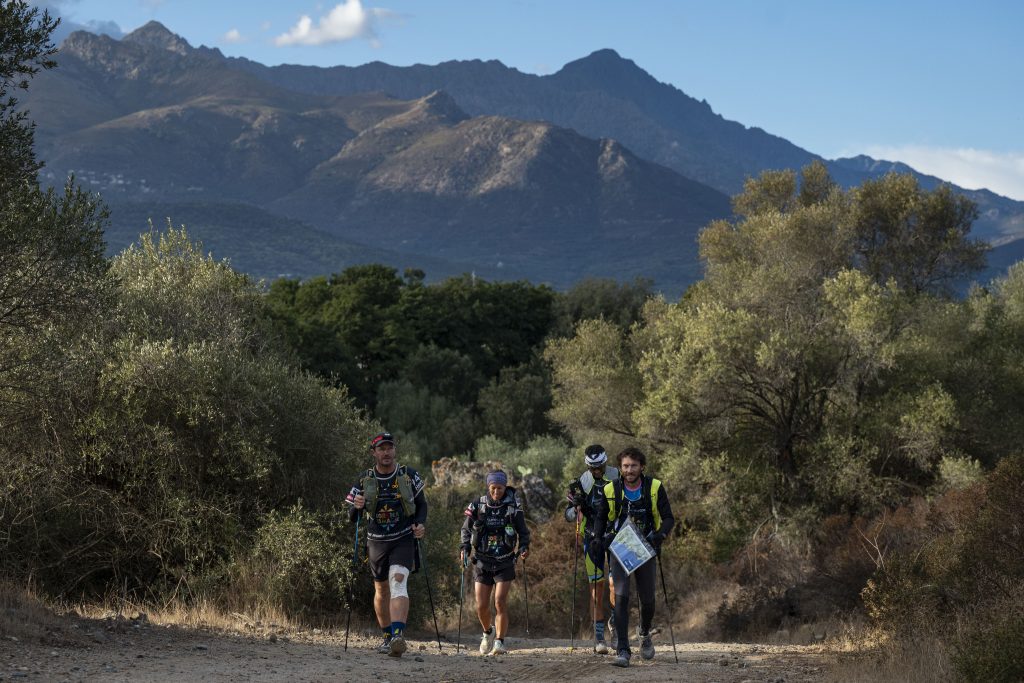
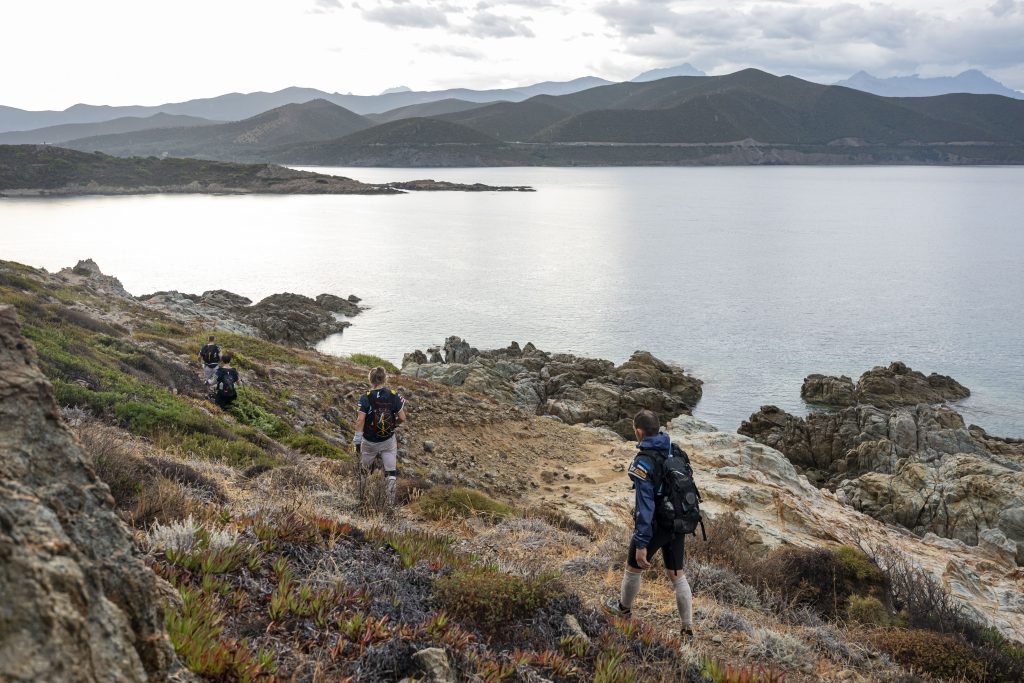
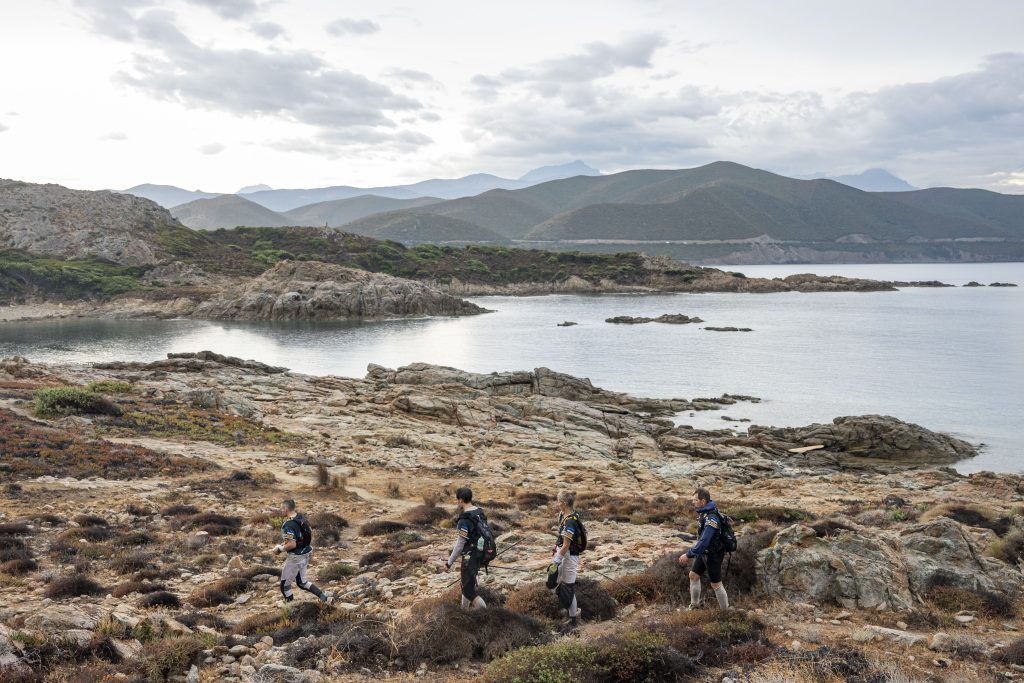
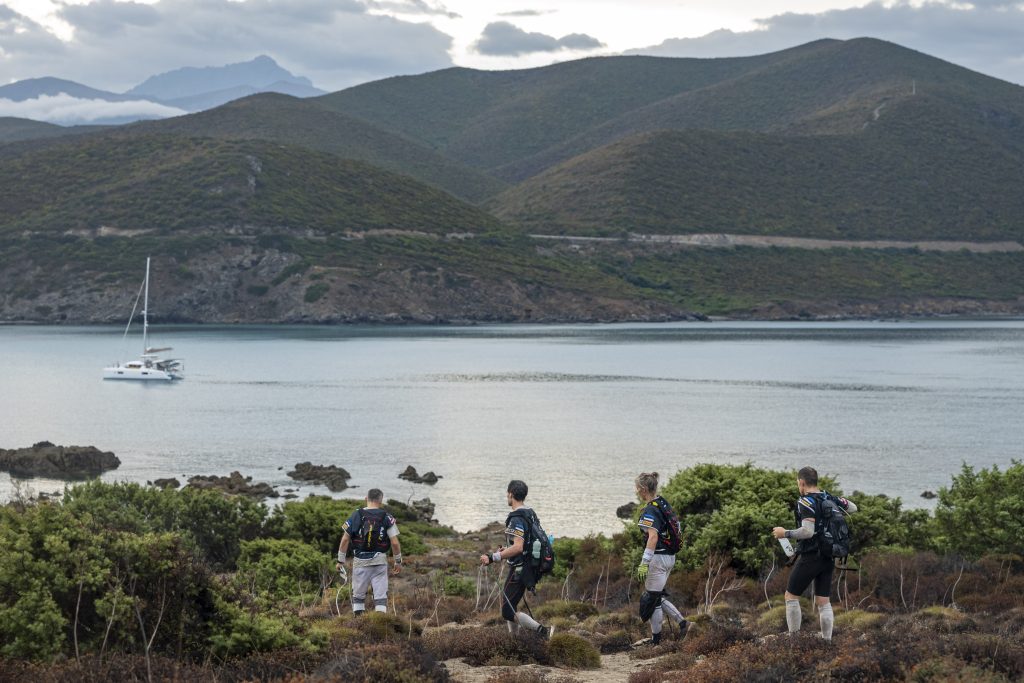
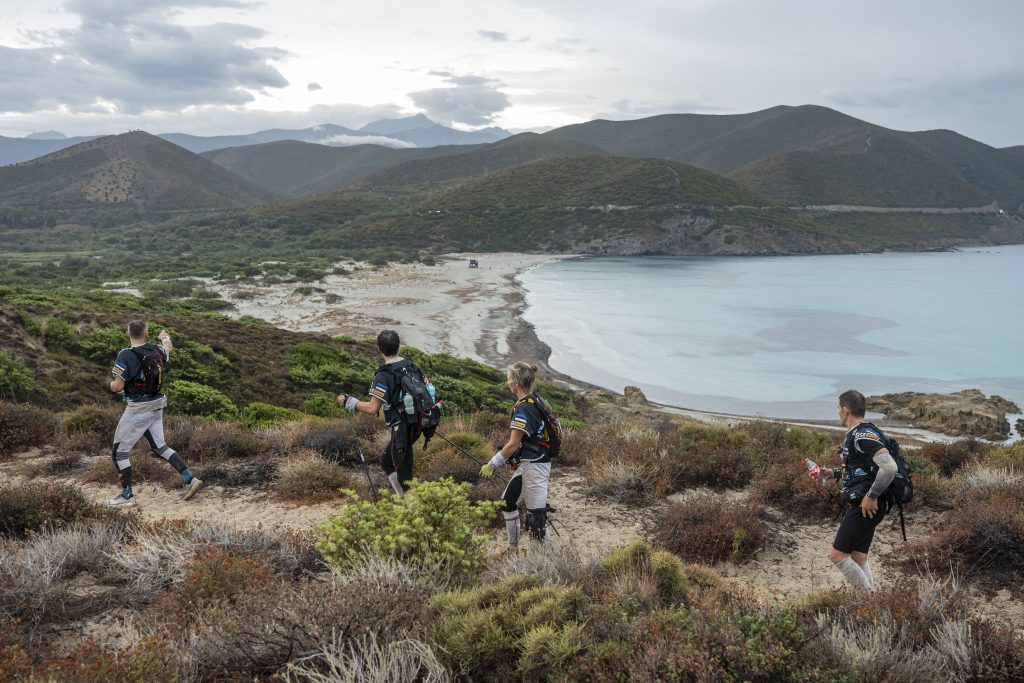
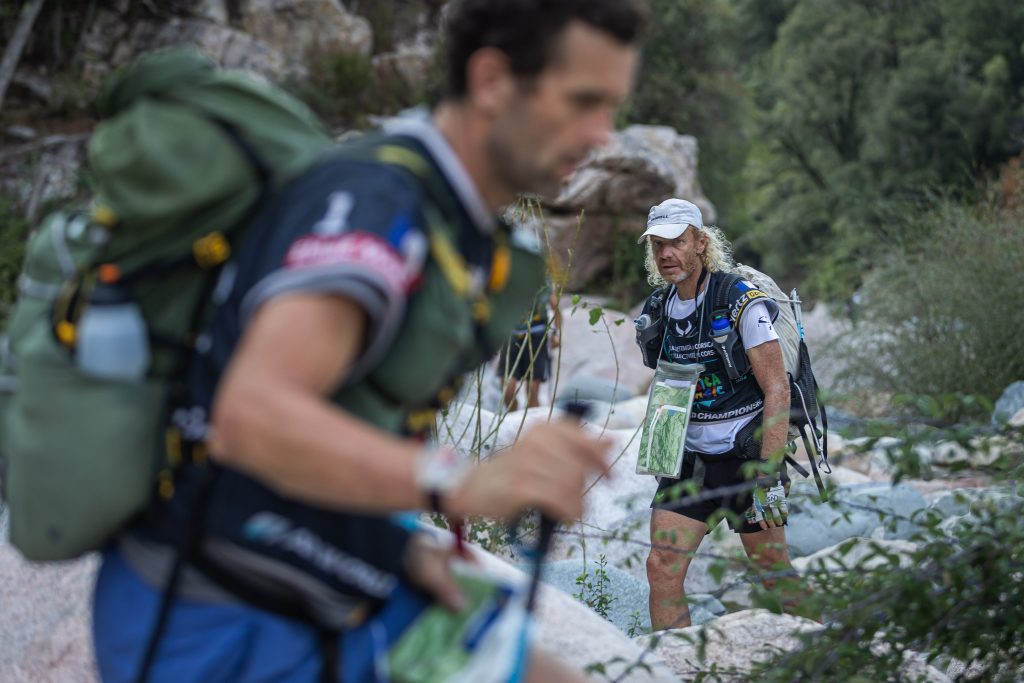
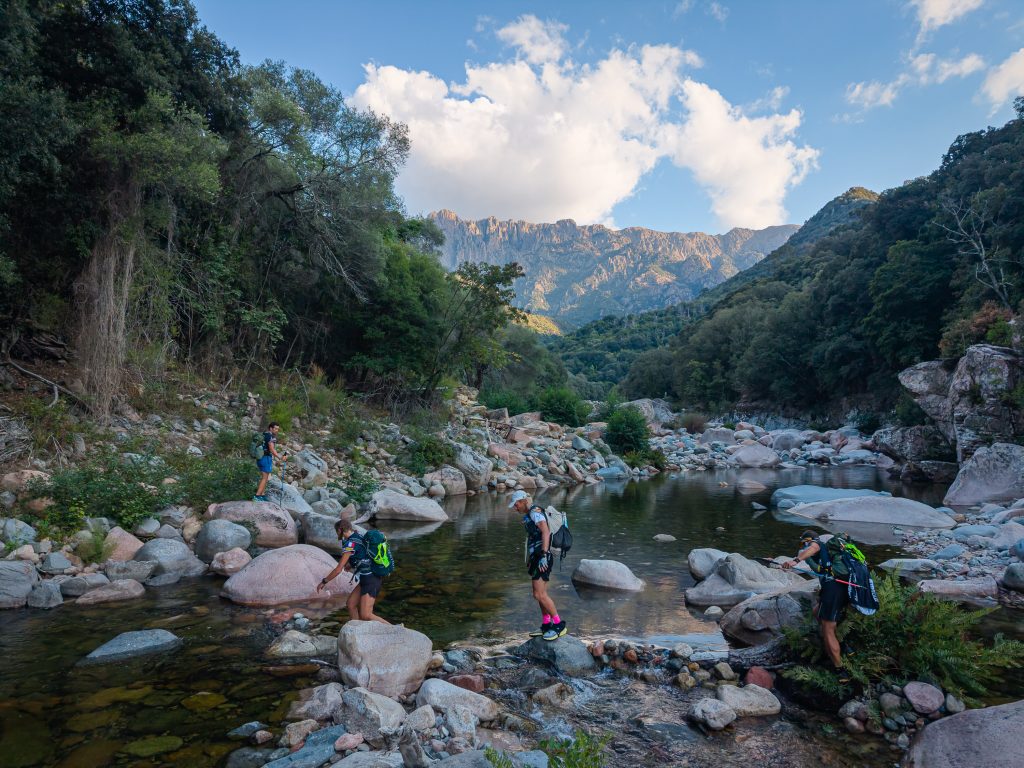
What motivates me is creating something distinctive, with a deep connection to the landscapes it passes through. I wanted teams to discover Corsica by experiencing its terrain, its distances and its changing environments. To understand, through their own progress, what connects the mountains to the sea.
That freedom to design a course comes with many responsibilities. We worked with local stakeholders, representatives of the sports involved and environmental specialists to take account of sensitive areas and local constraints. The final route was the result of that dialogue and many adjustments. We had to bring our expedition ambition to life while organising the passage of nearly four hundred competitors.
The race was particularly demanding, with progress sometimes slower than expected. How do you view those difficulties?
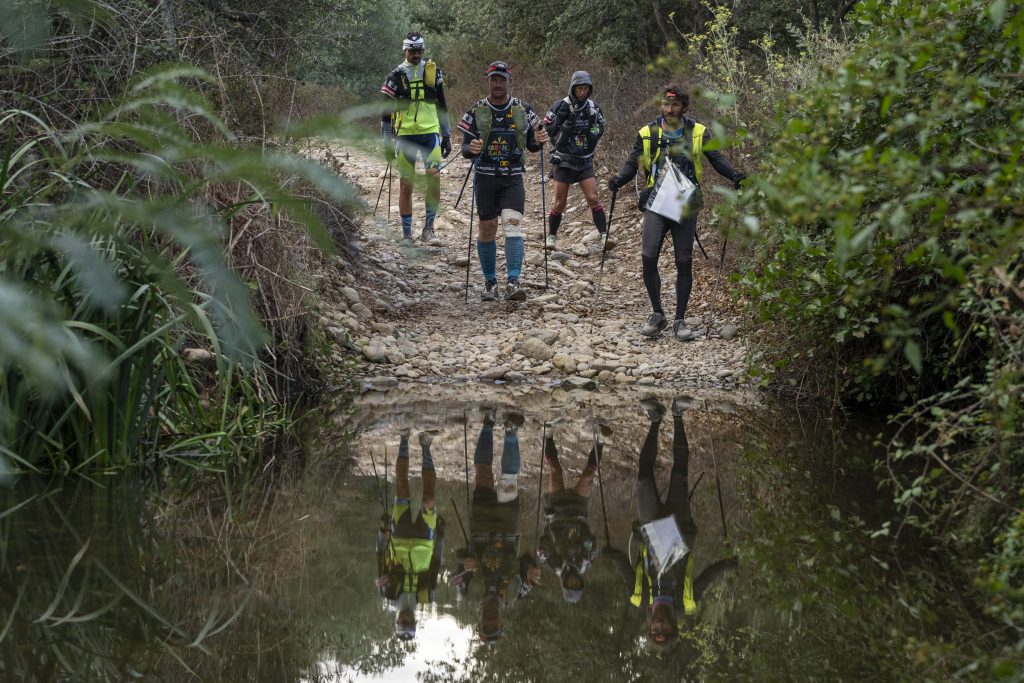
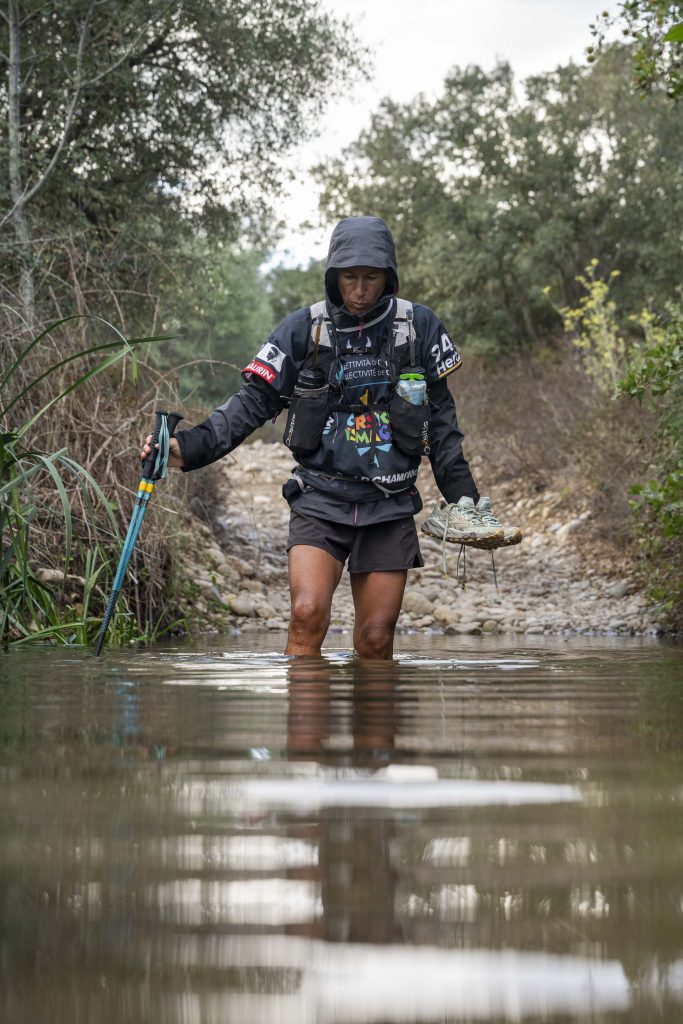
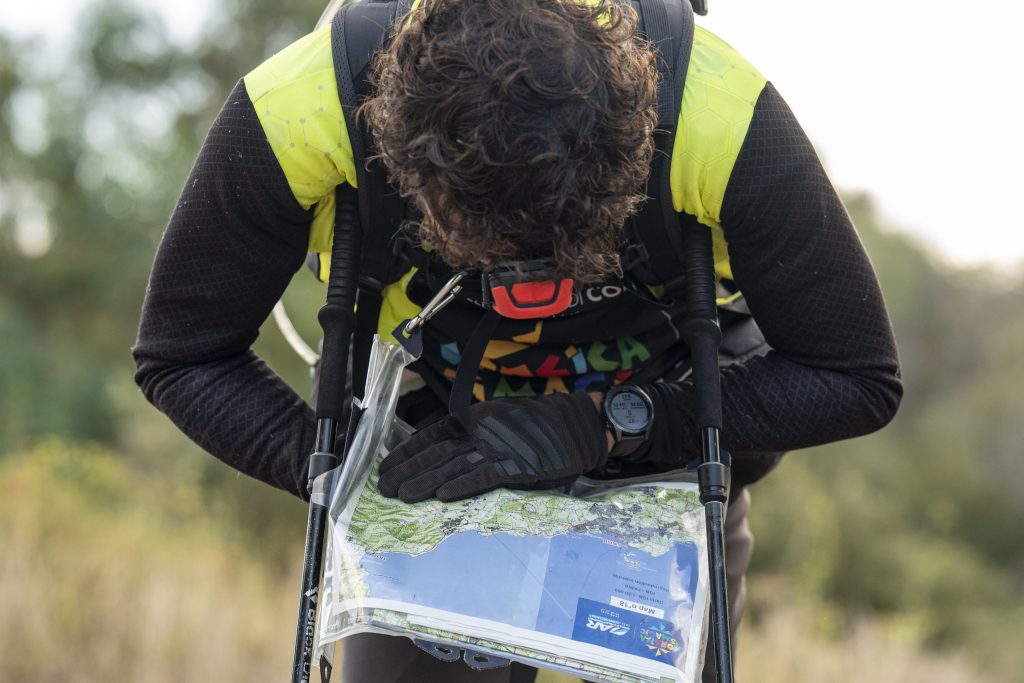
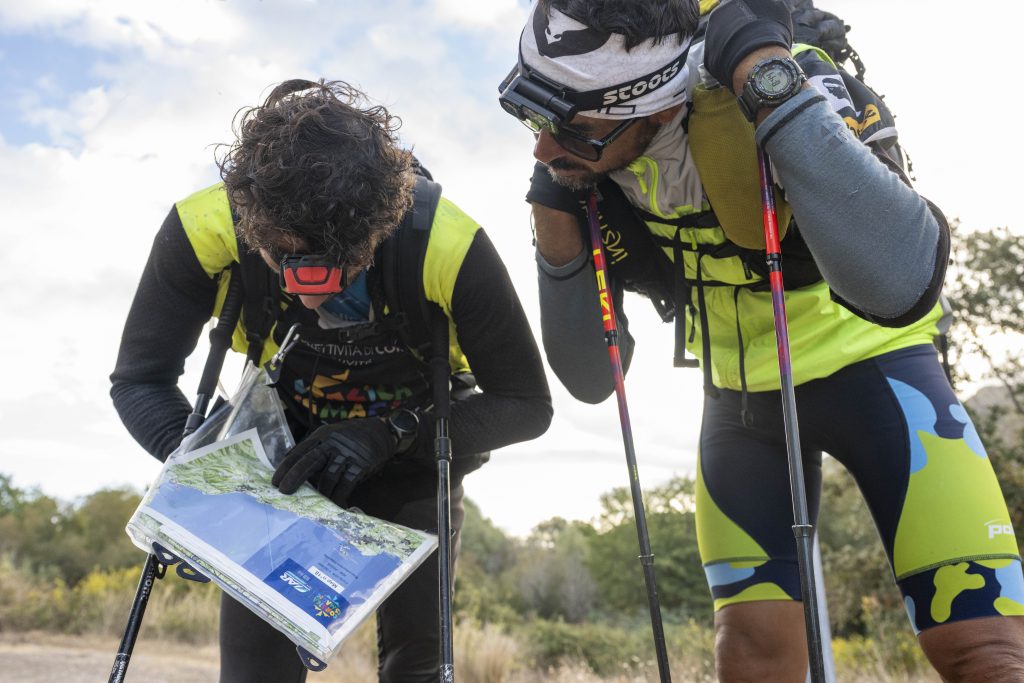
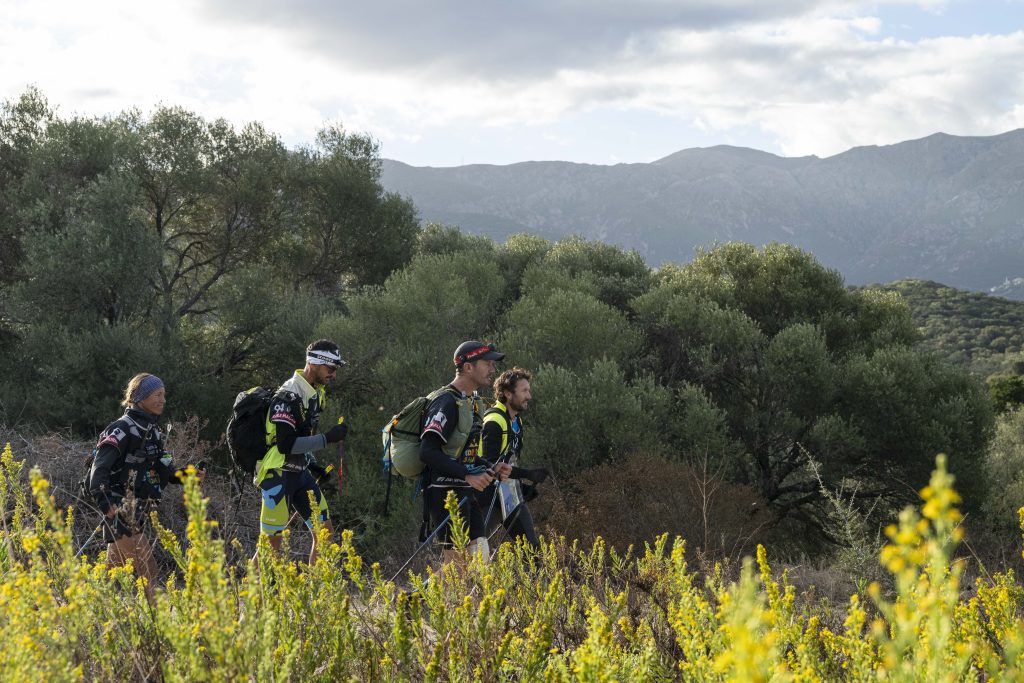
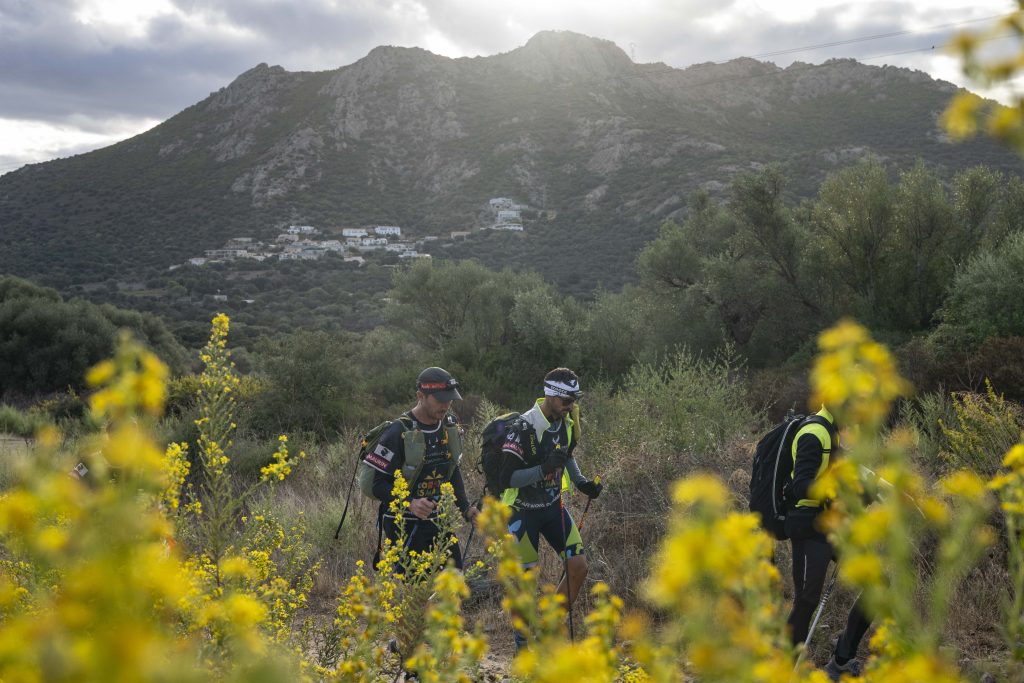
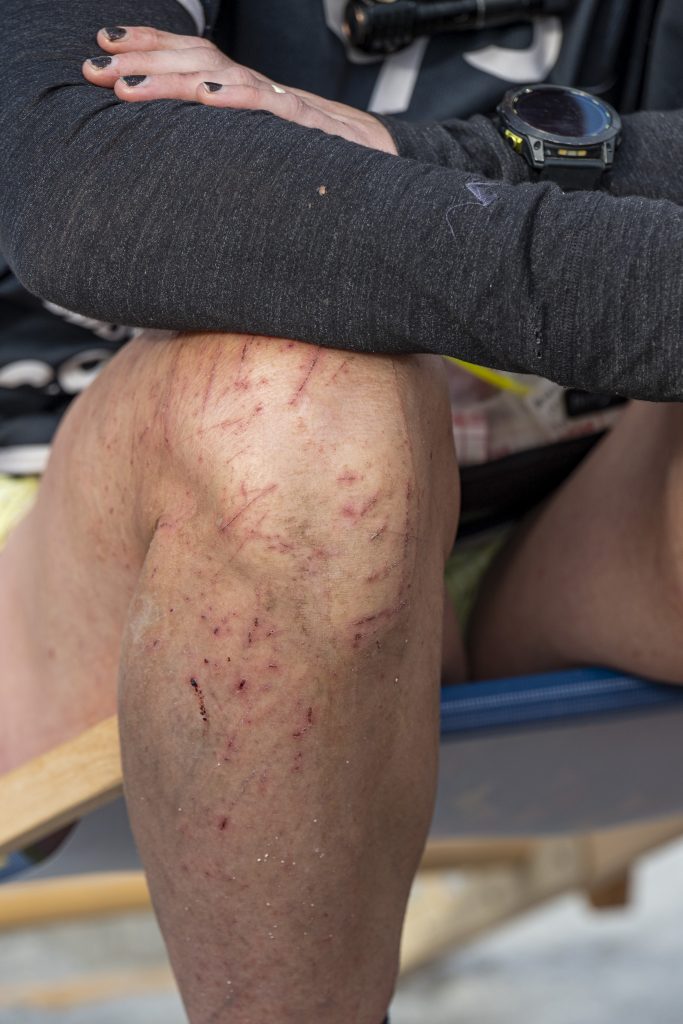
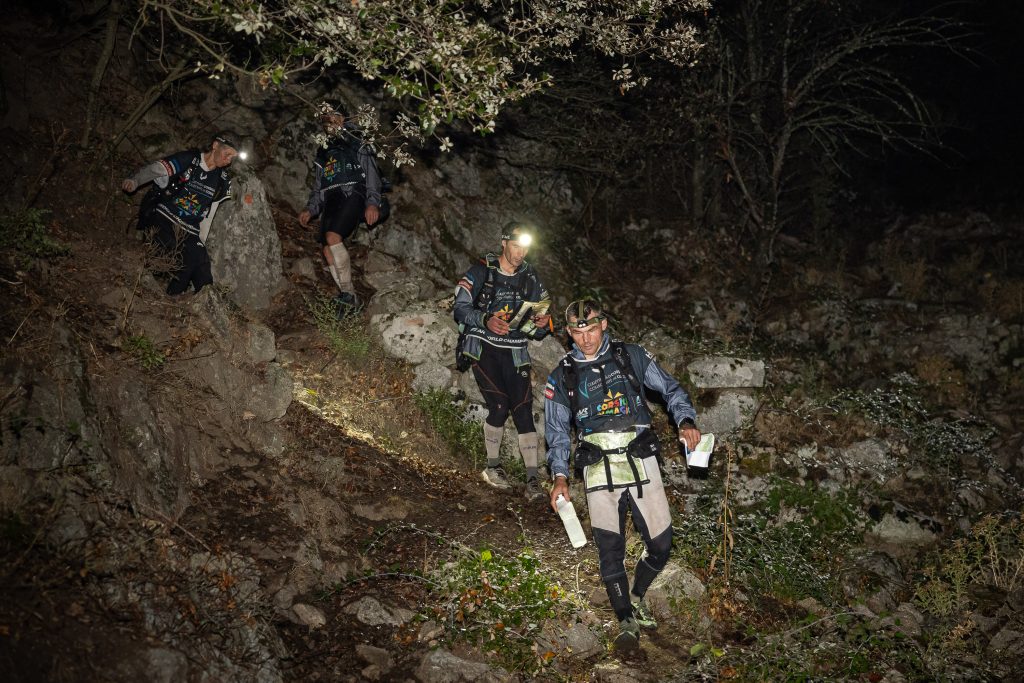
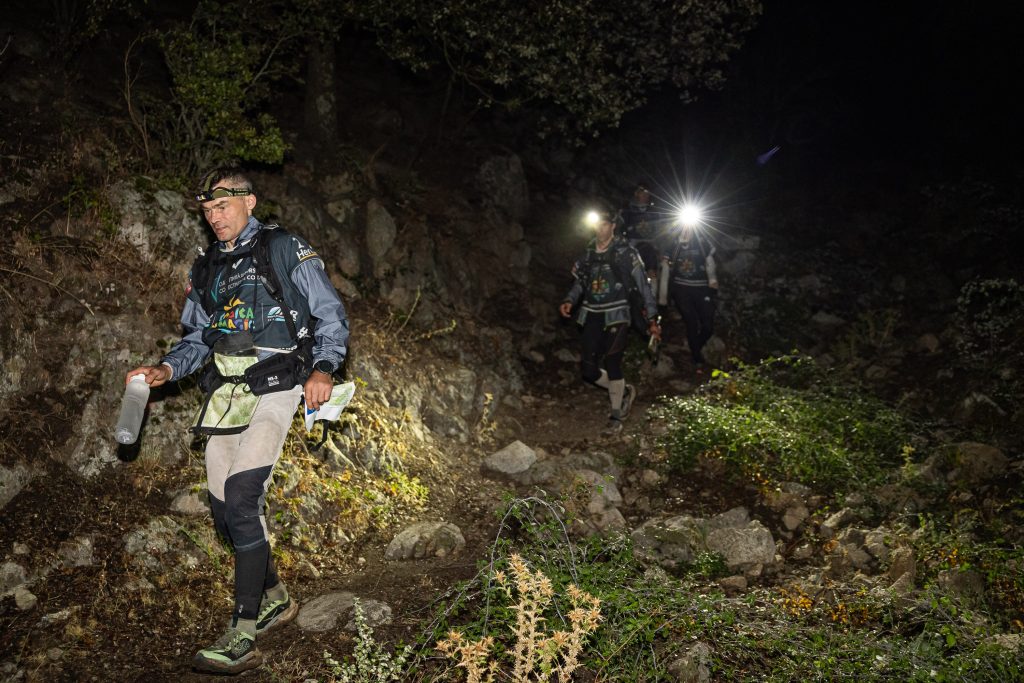
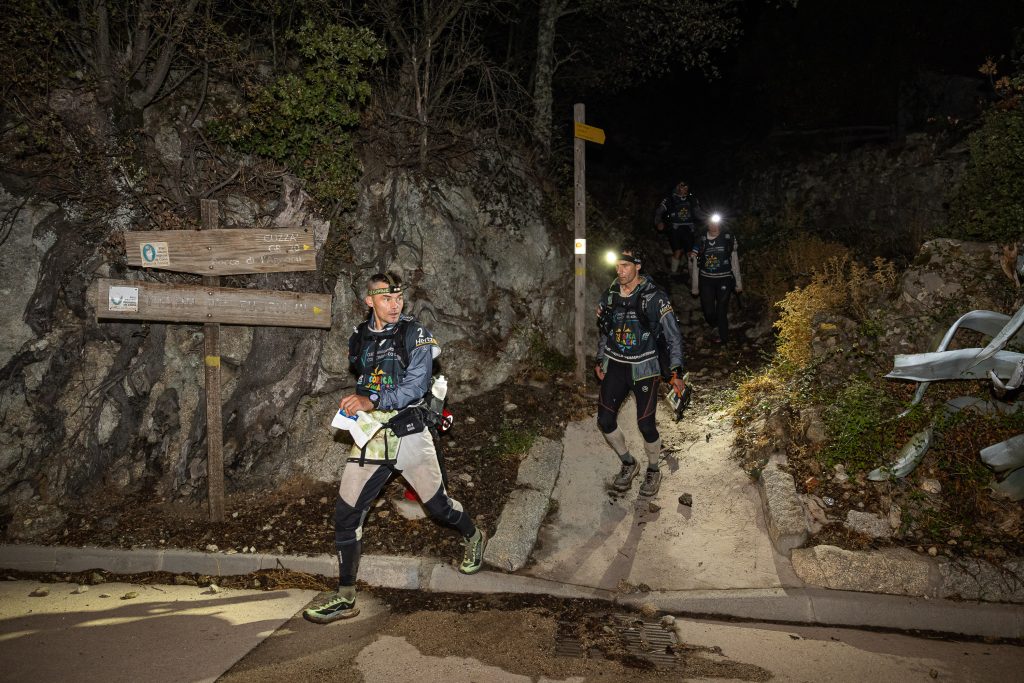
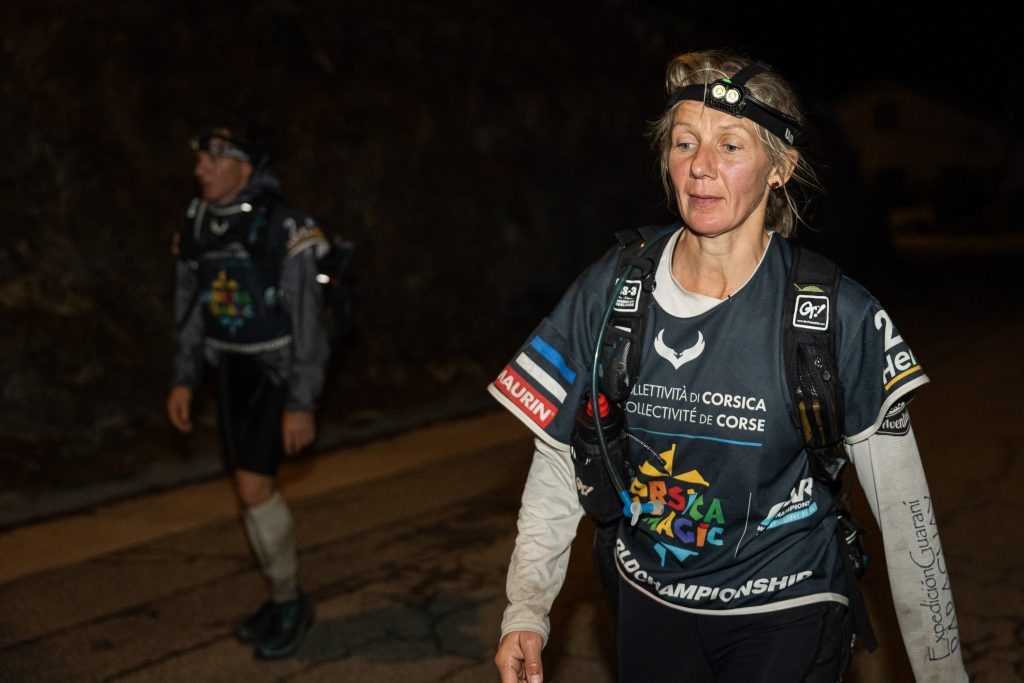
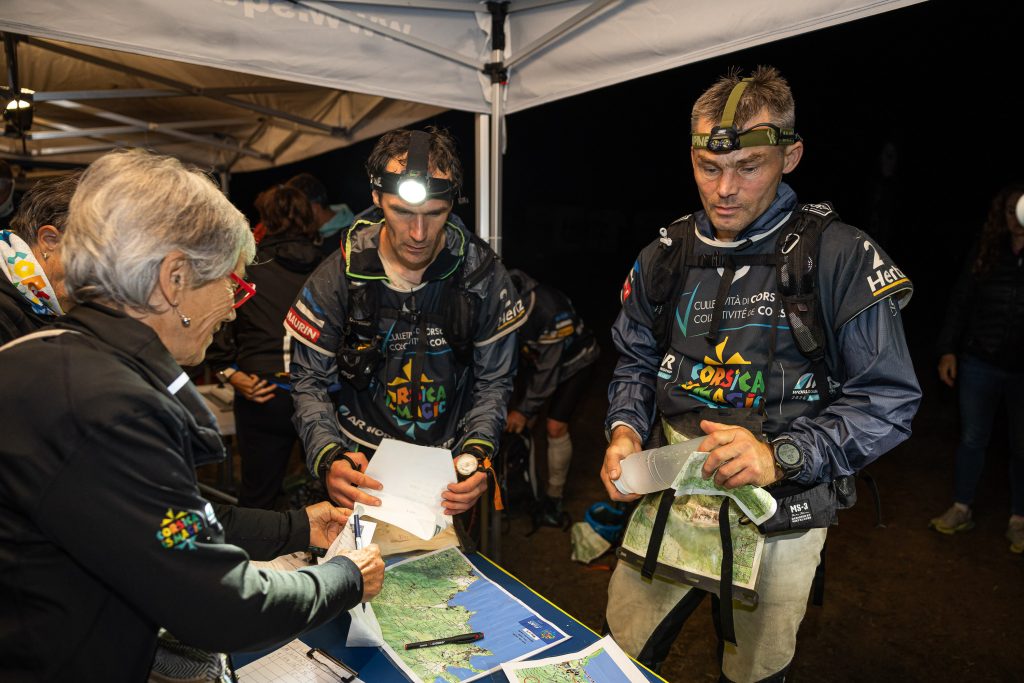
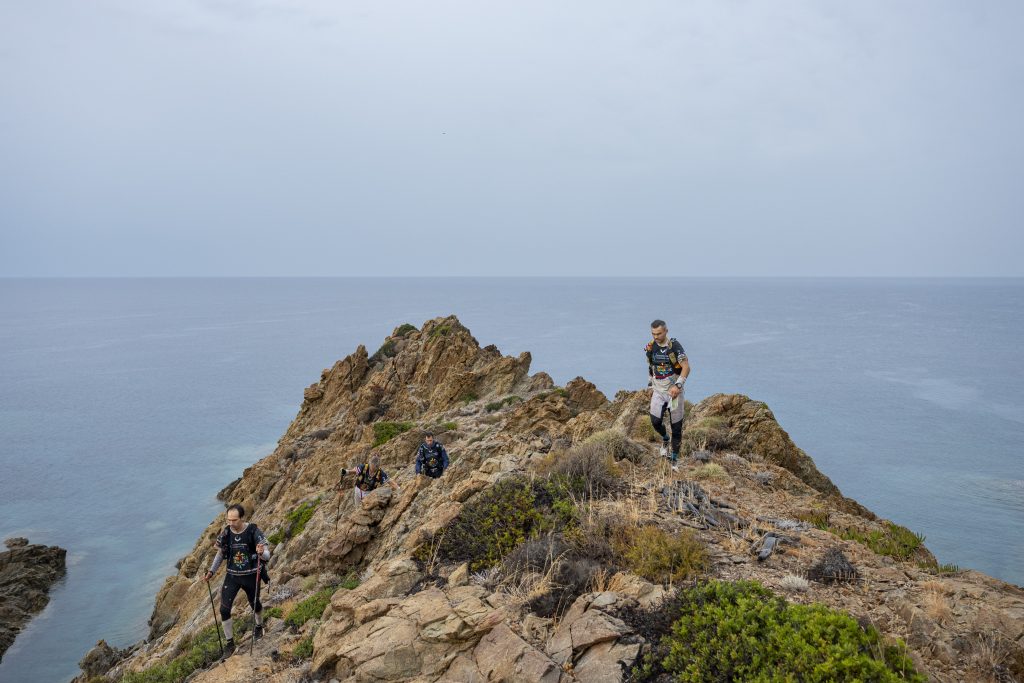
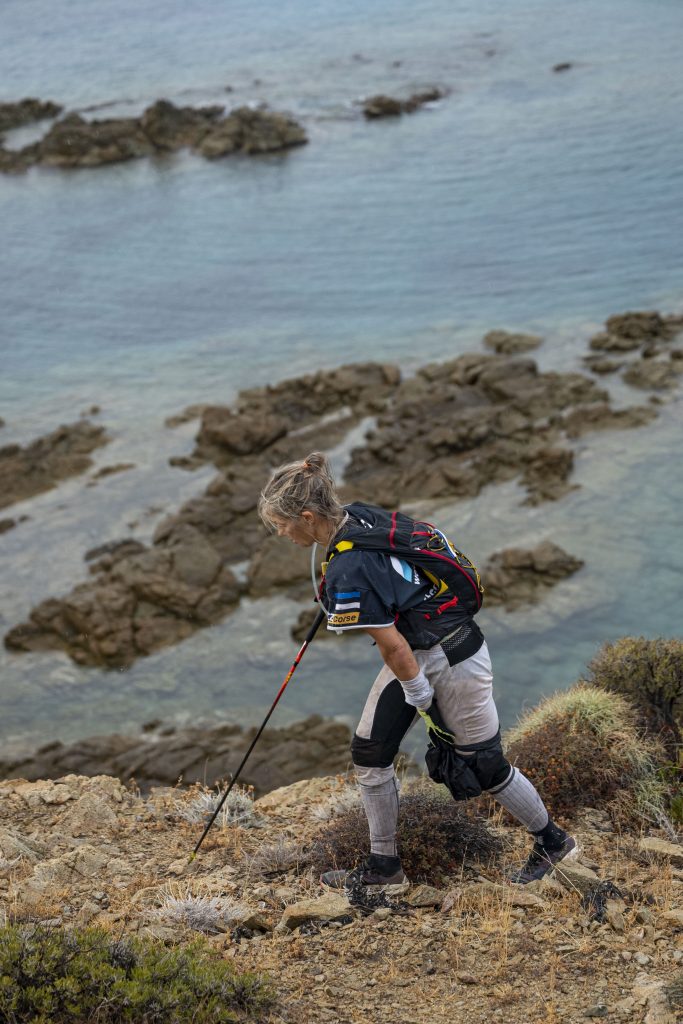
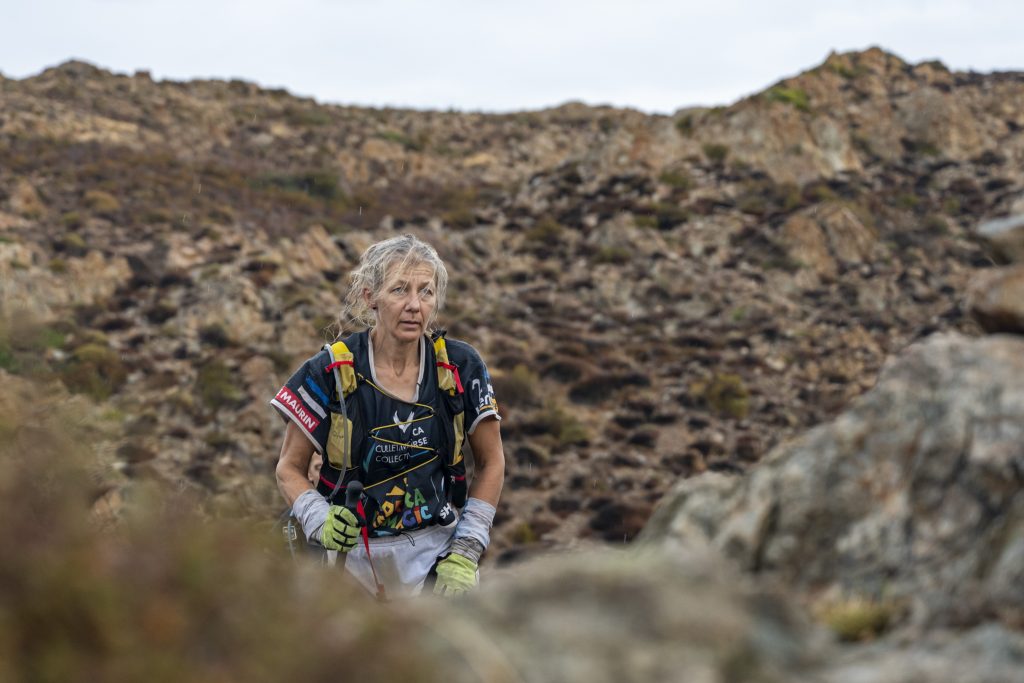
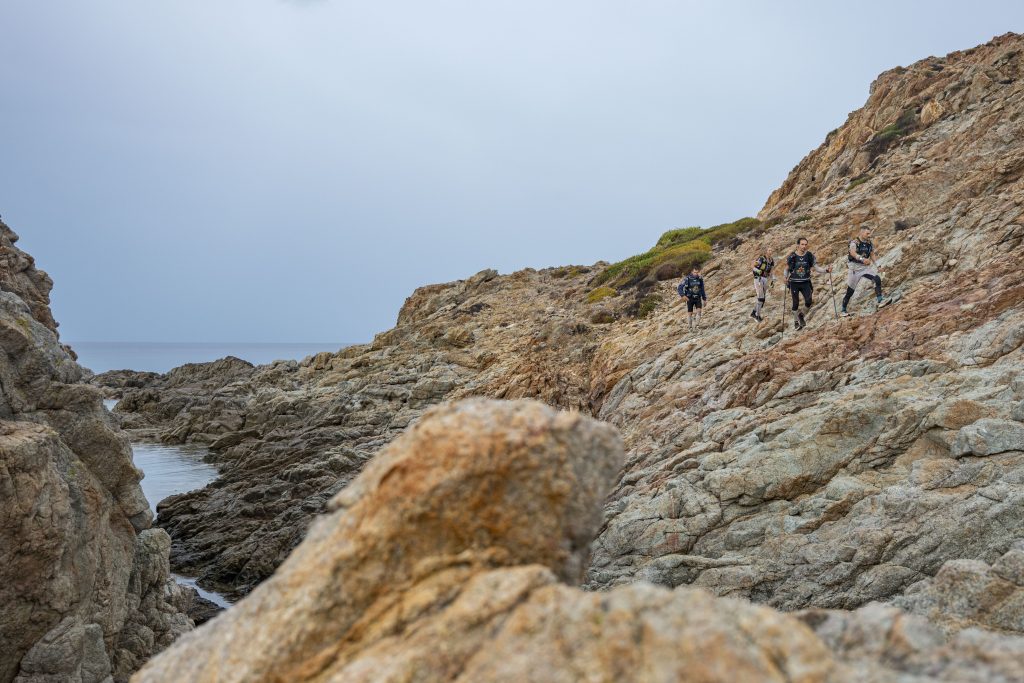
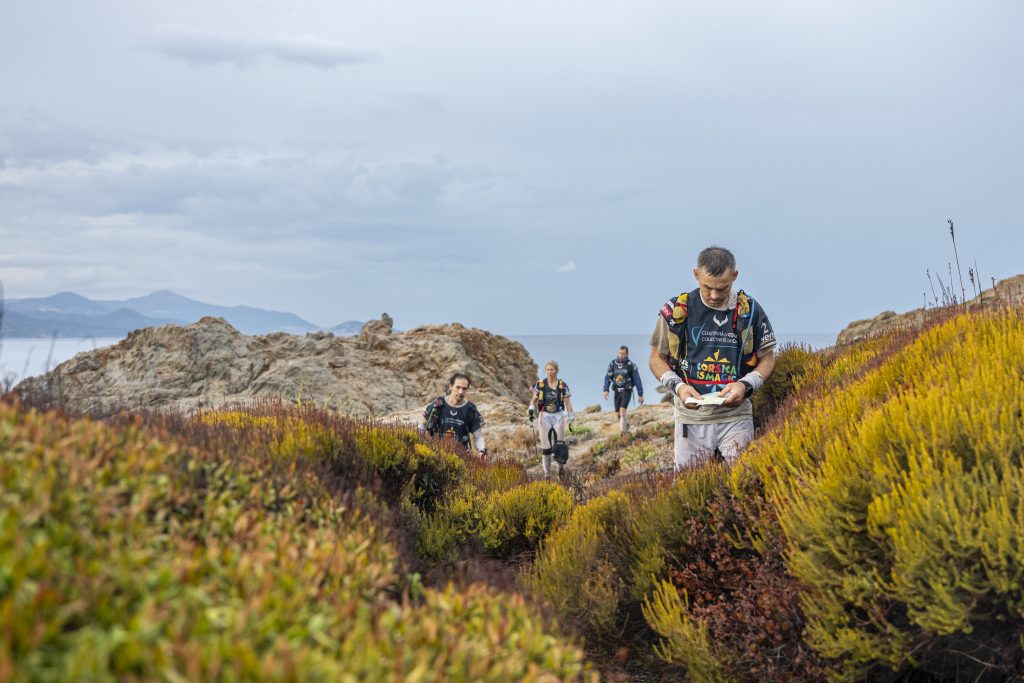
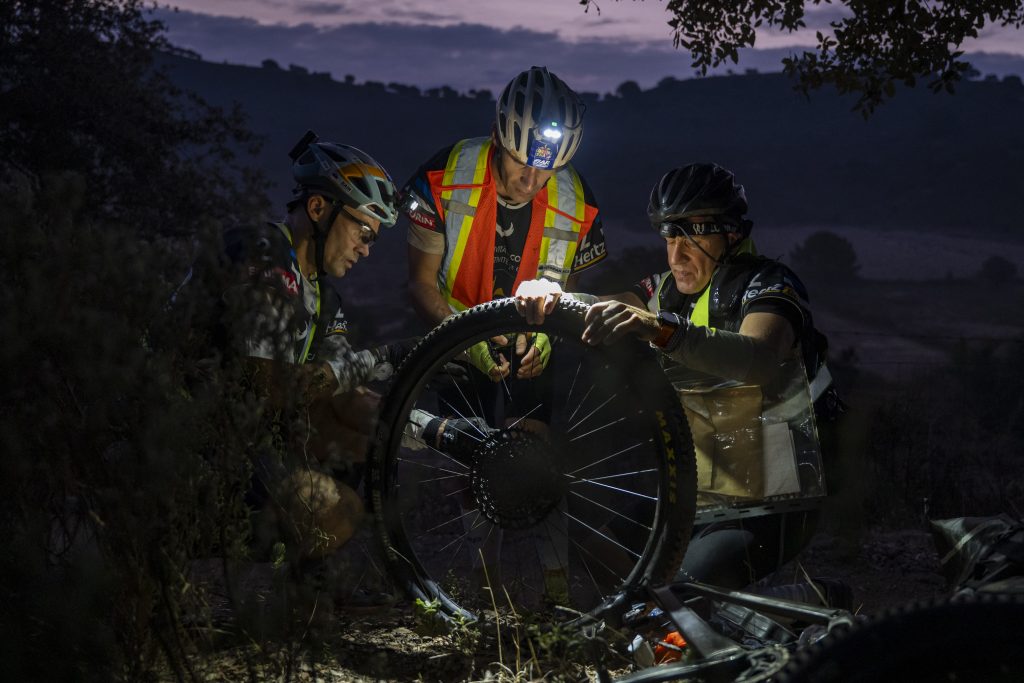
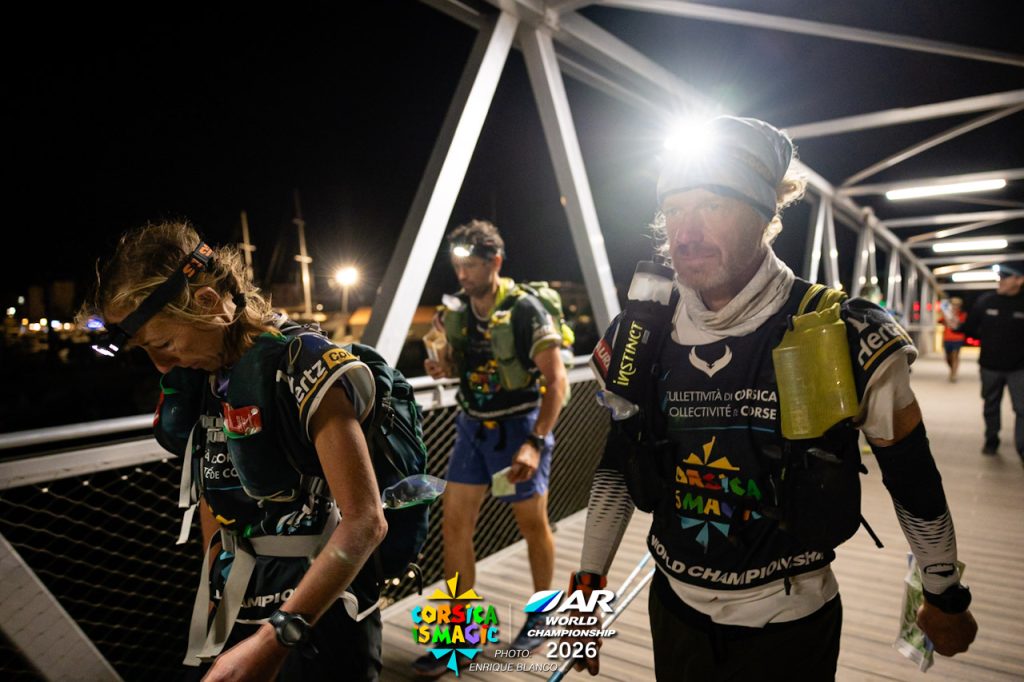
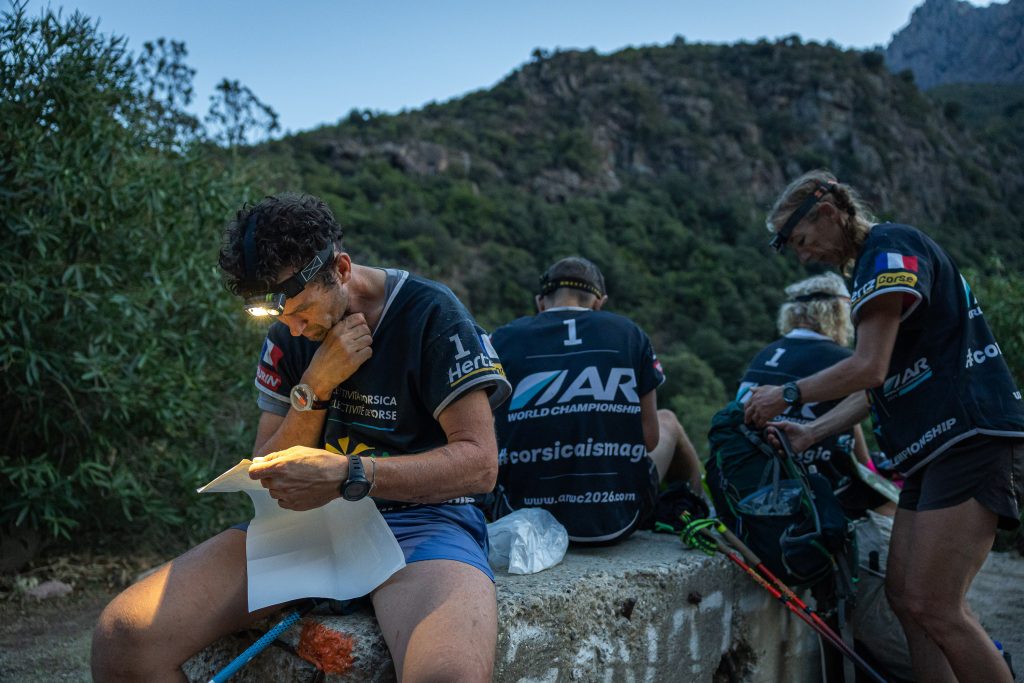
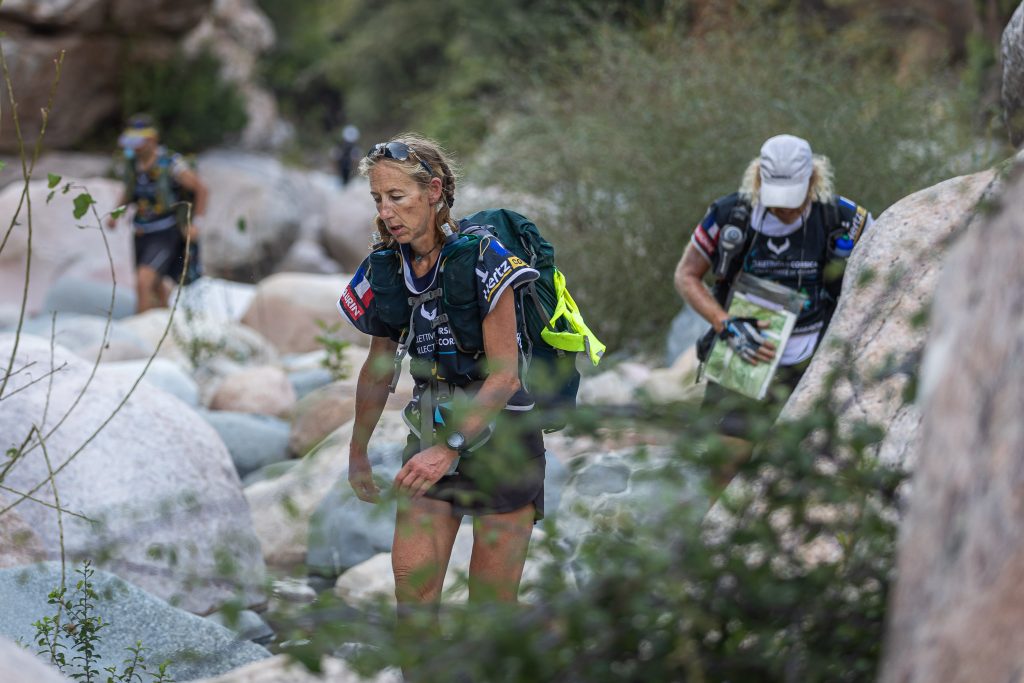
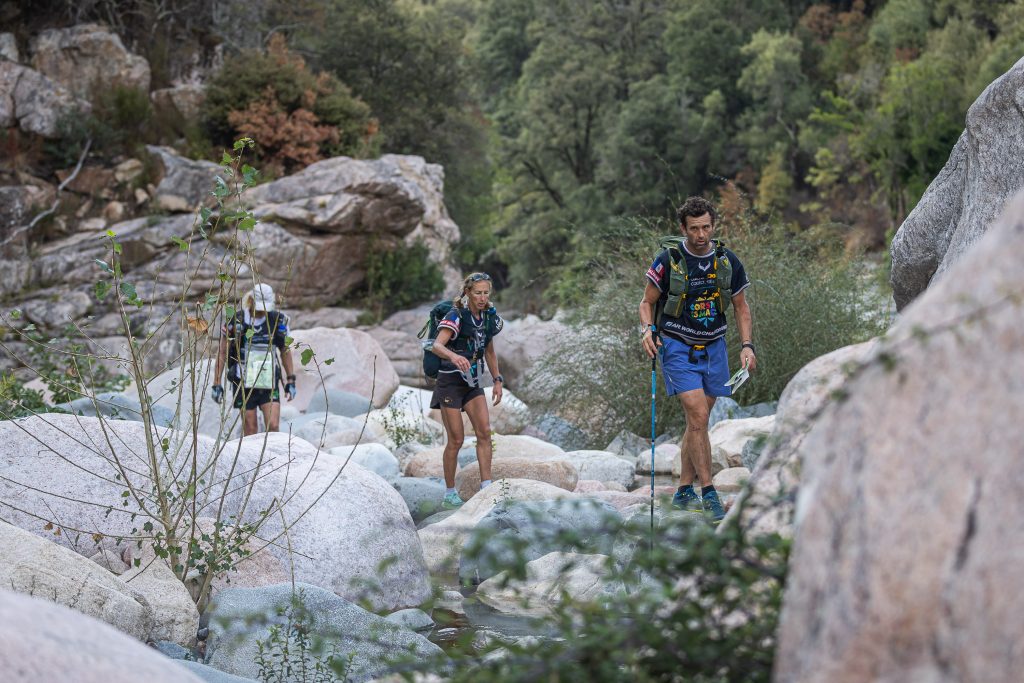
We have to look at them honestly. We knew that some sections would be very difficult, particularly in the maquis scrubland. But navigation and progress proved more challenging than we had anticipated, especially at night. Quite early on, after twenty-four hours of racing, teams were already falling behind our estimated times.
That is one of the lessons from this edition. Reconnaissance helps you prepare a race, but it can never reproduce exactly what competitors will experience, with accumulated fatigue, darkness and their own route choices. It was then our responsibility to understand quickly what was happening and adapt the way we managed the event, particularly for the slower teams.
I like to offer courses that require teams to find their own way and commit fully. Even so, difficulty should always be questioned: what does it add to the experience? How does it change with the conditions? What impact does it have on the rest of the race? Reviewing an event is also about asking those questions.
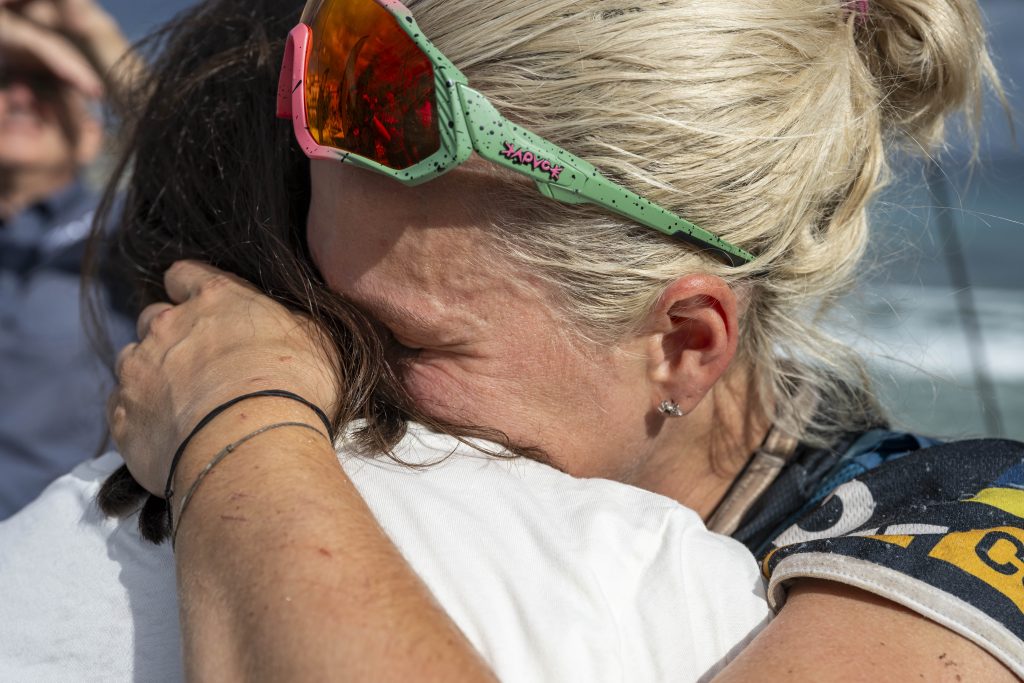
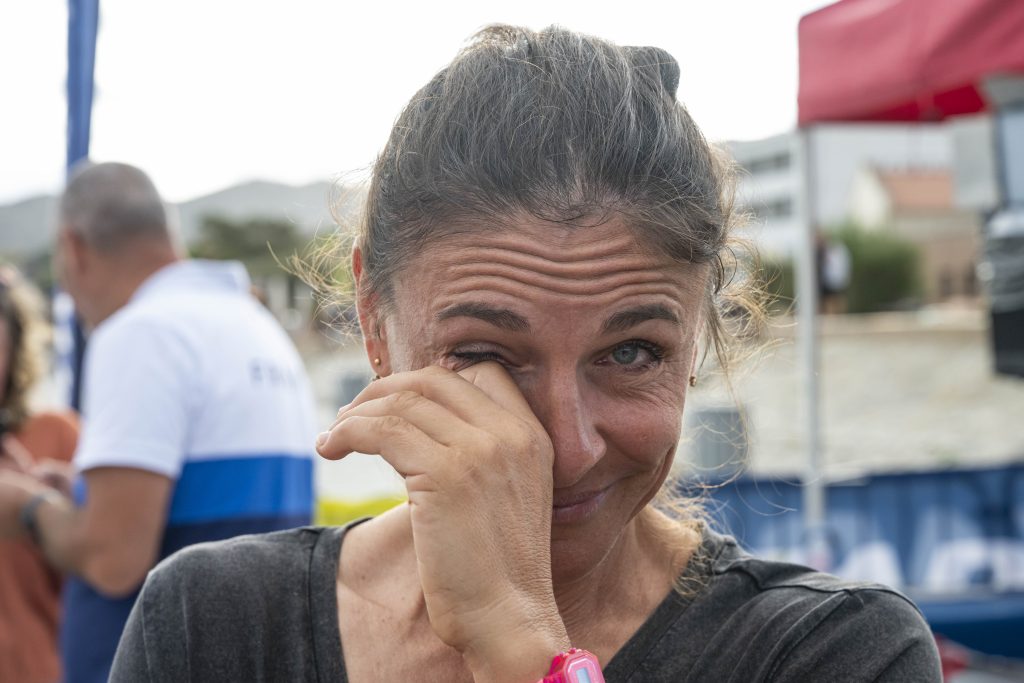
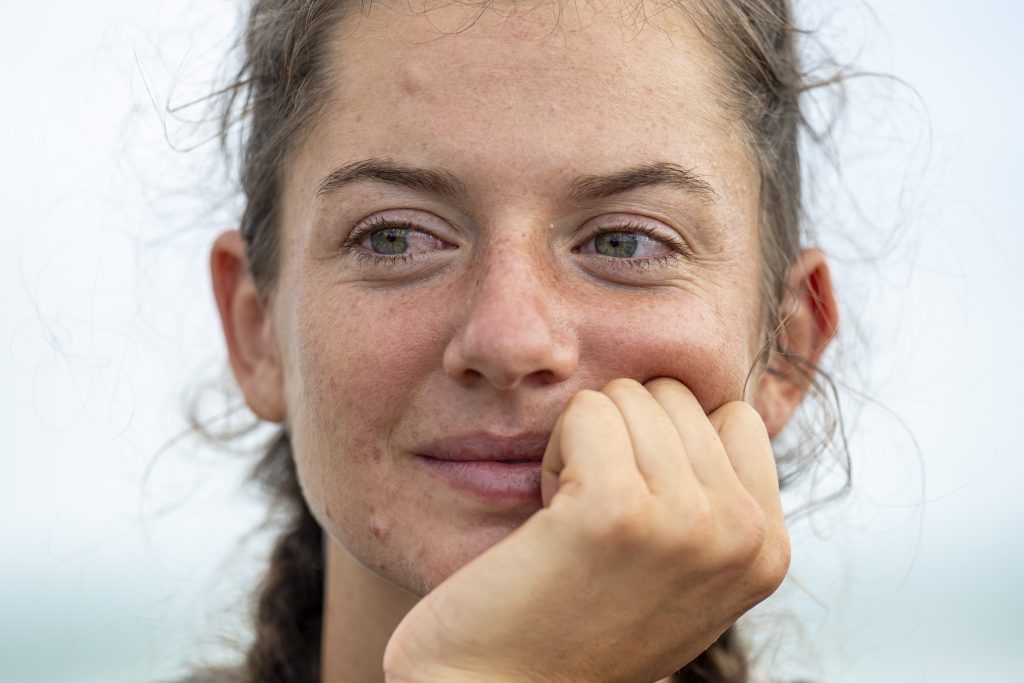
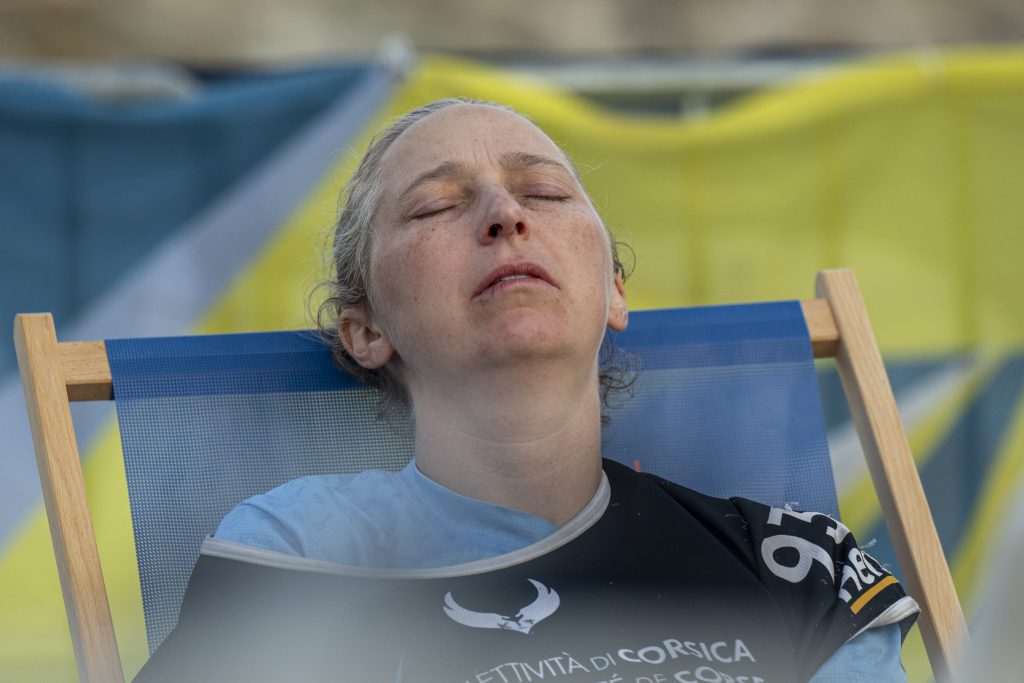
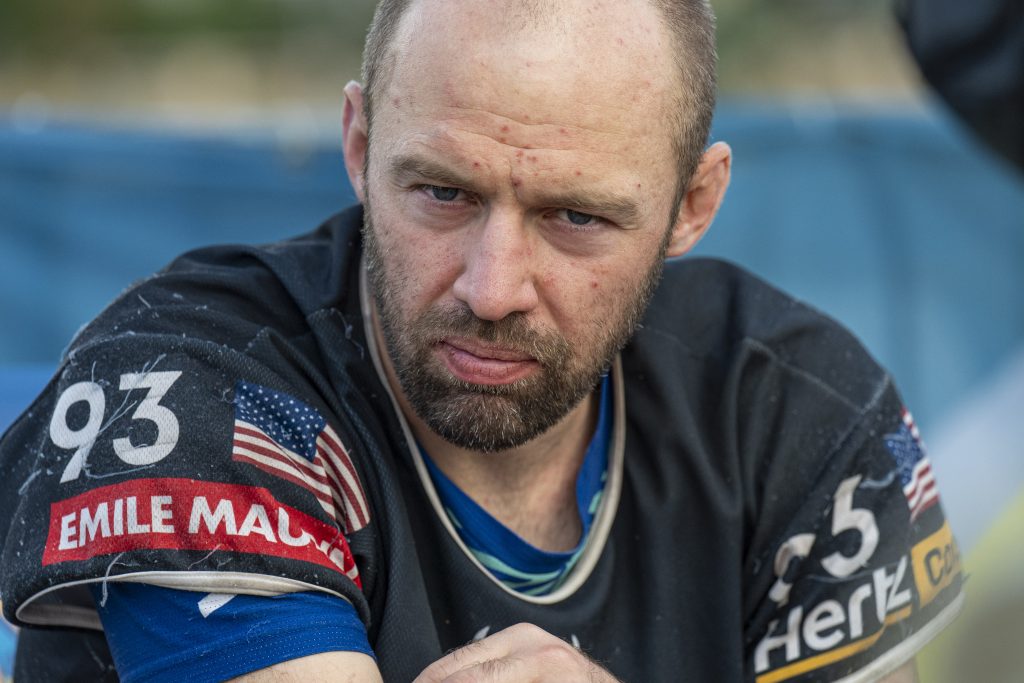
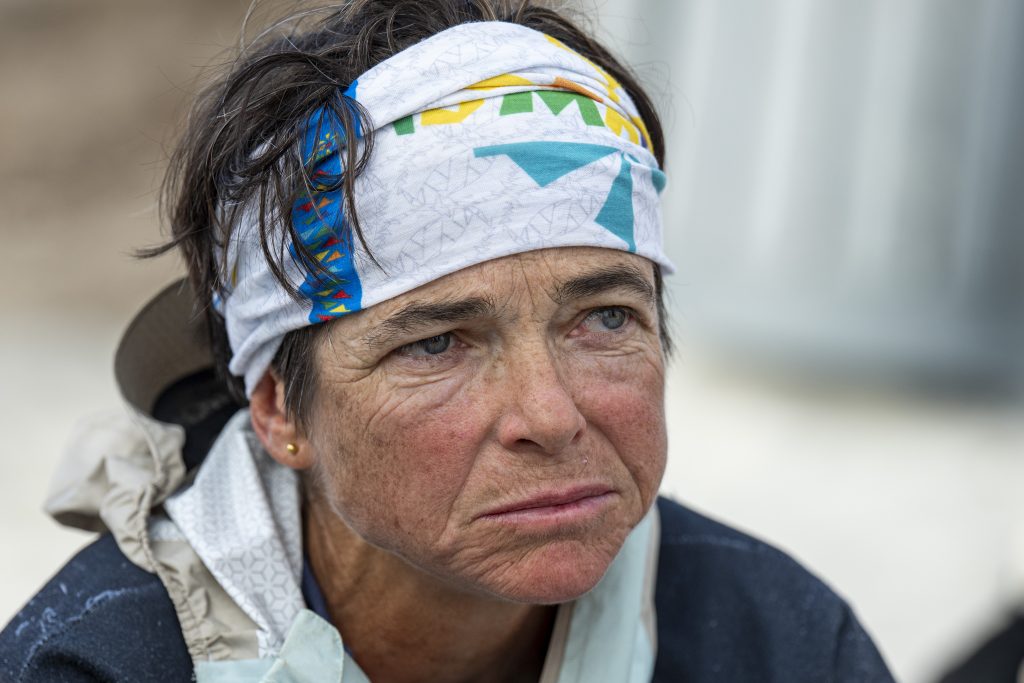
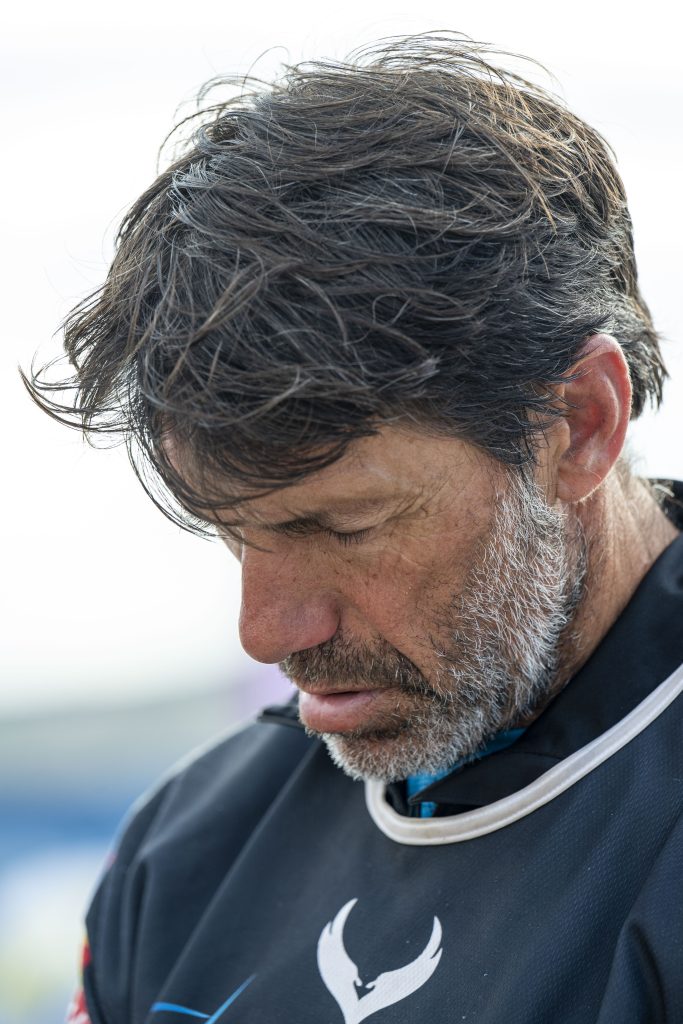
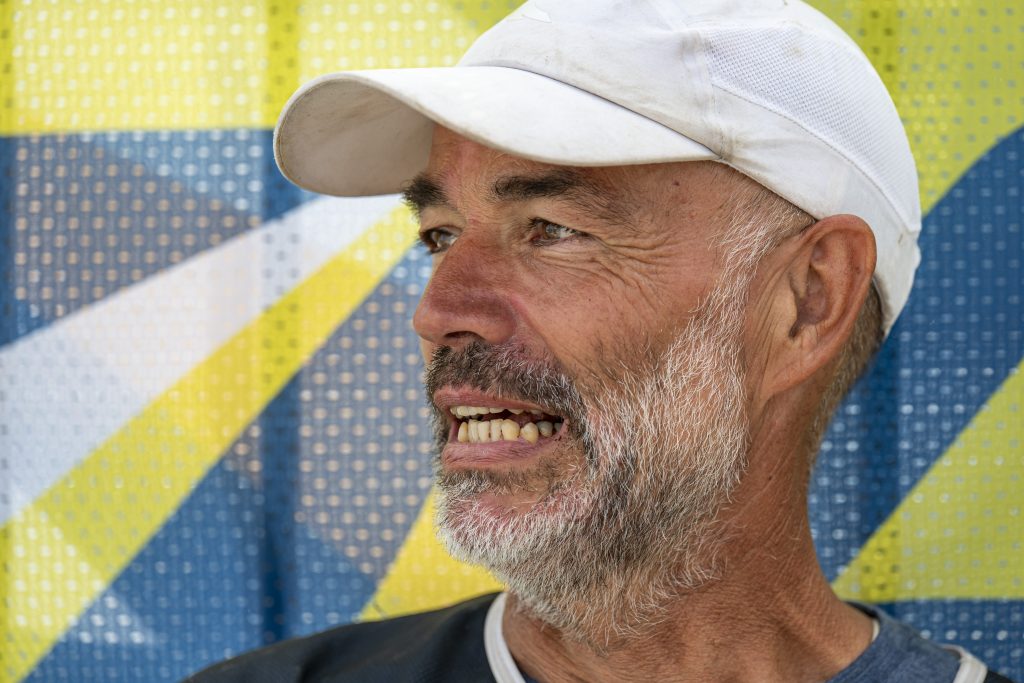
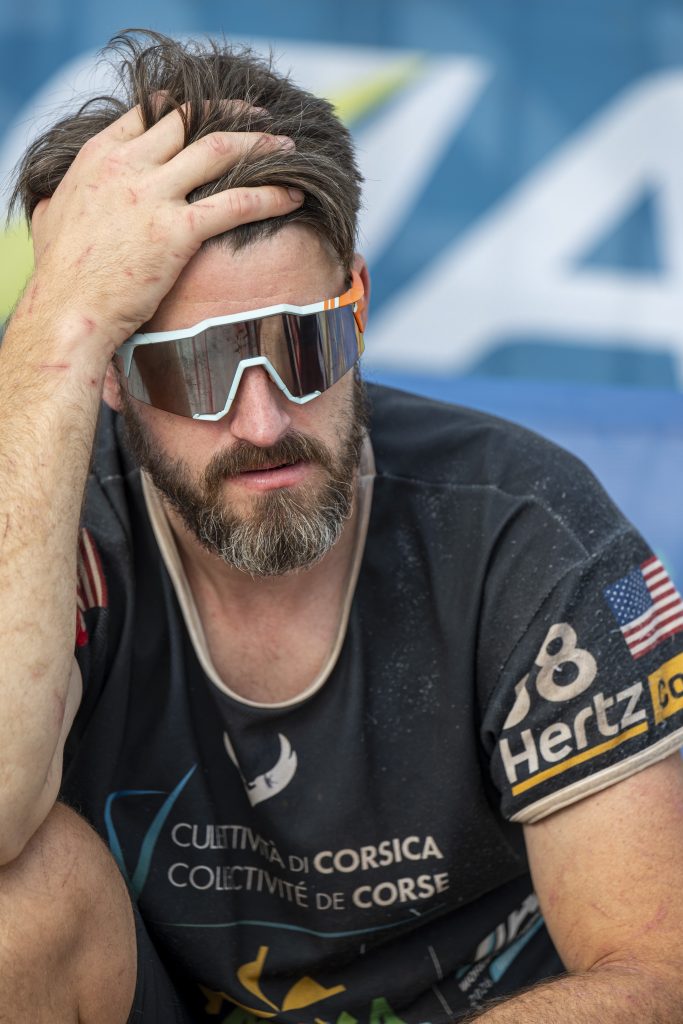
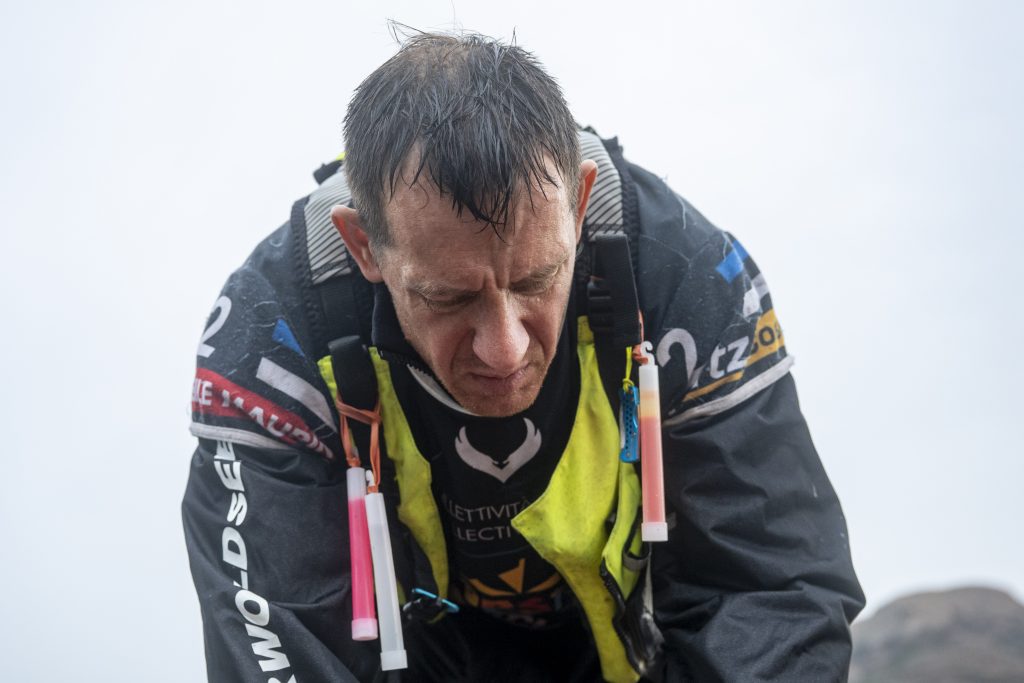
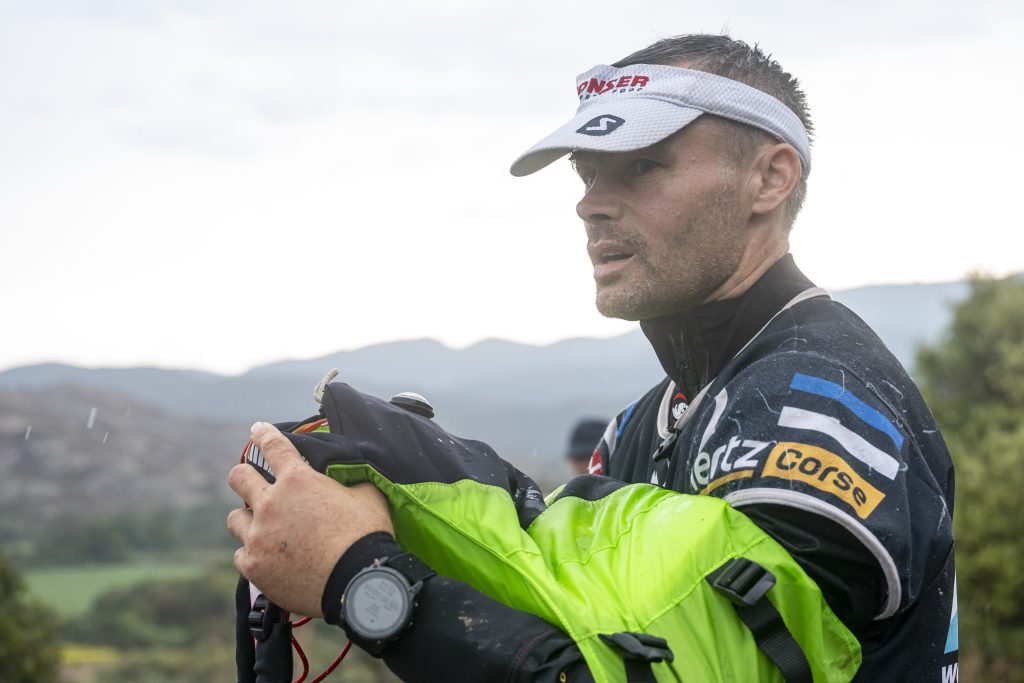
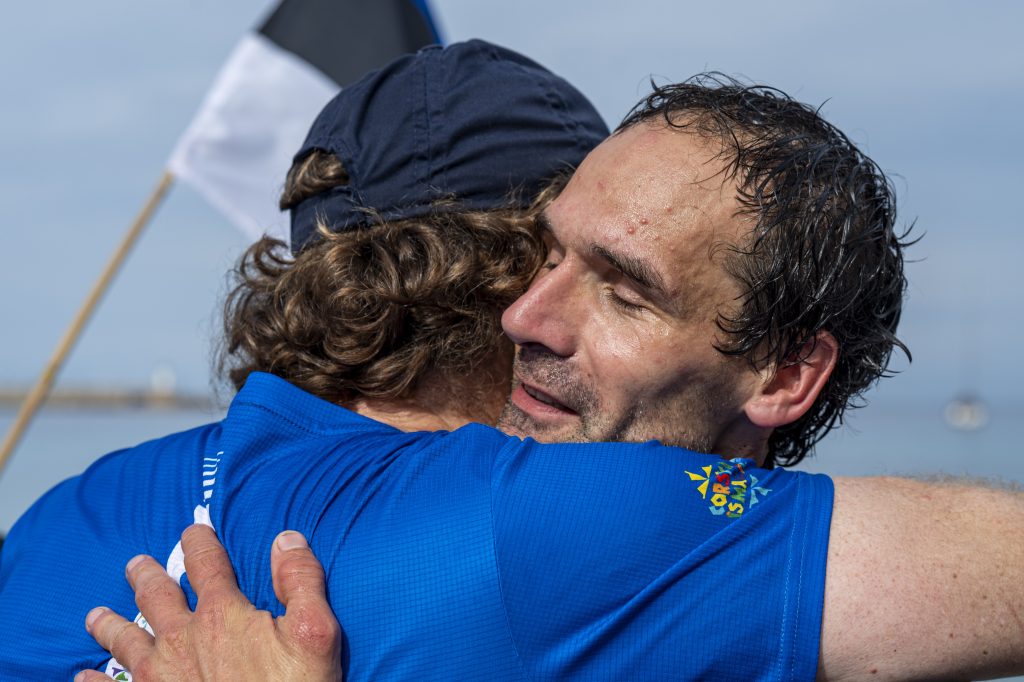
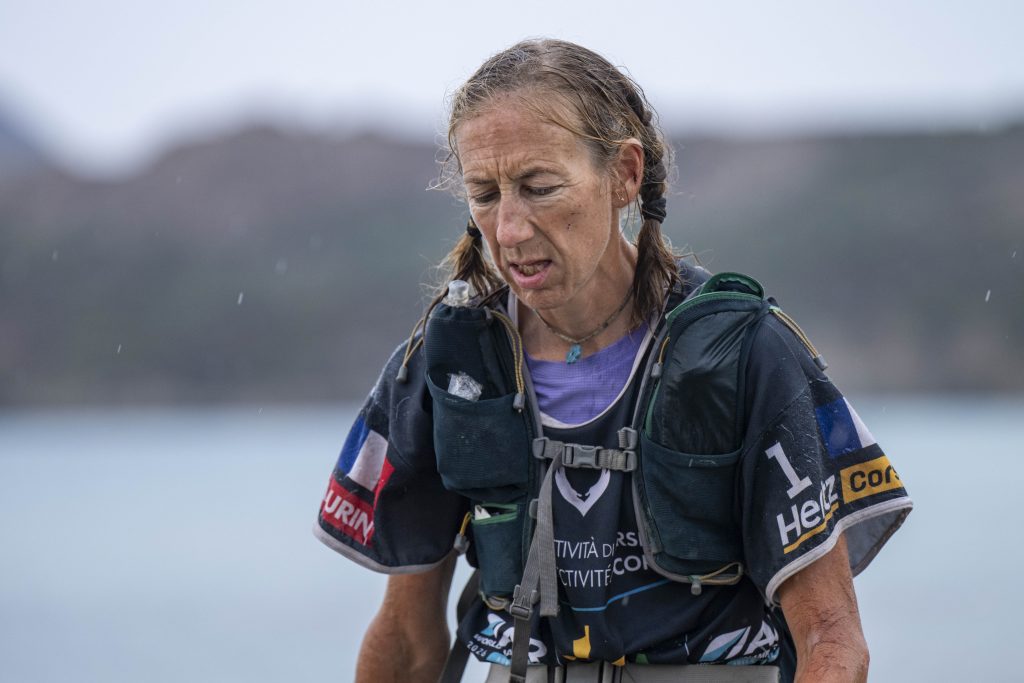
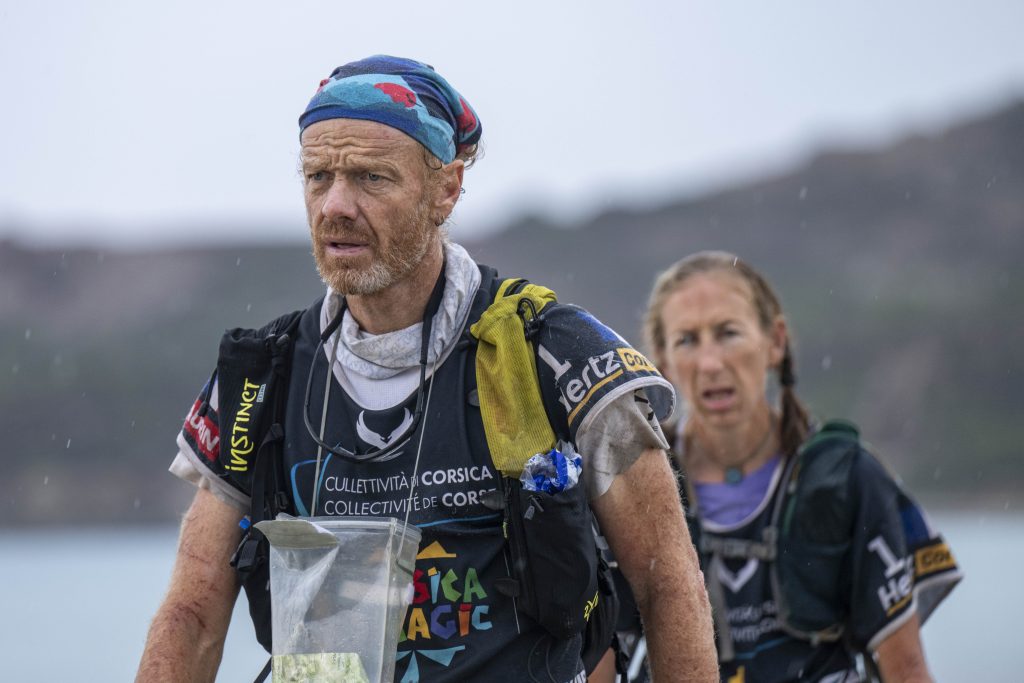
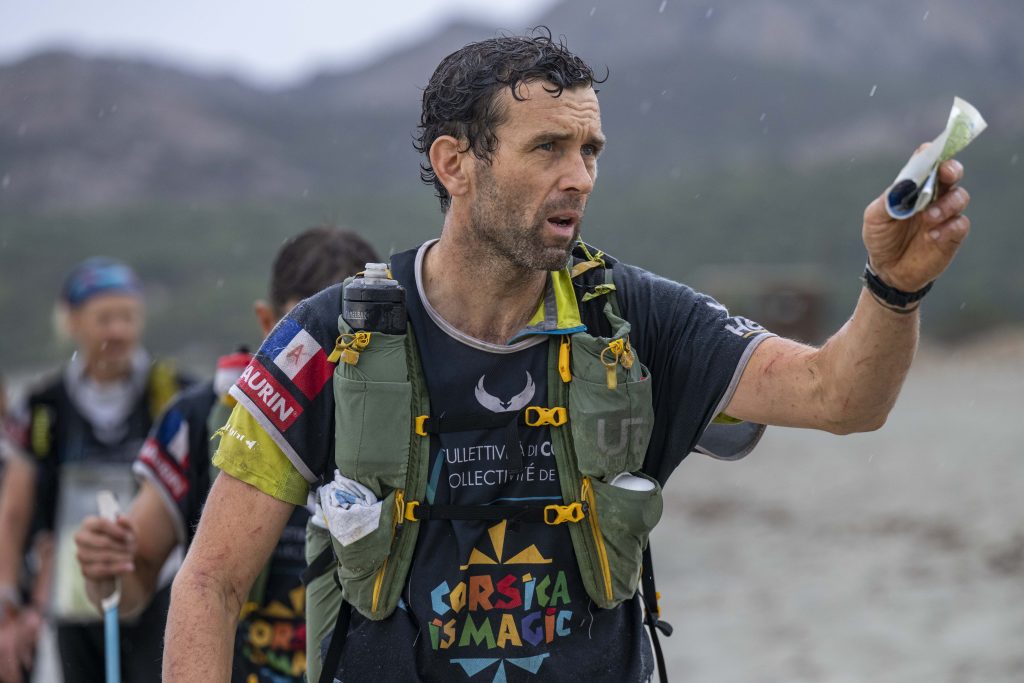
The teams’ commitment was remarkable. Behind every split time or place in the rankings are hours of effort, doubt and decisions made together. That is the reality we must keep in mind when looking back on their race.
The weather also forced you to change several sections. How does it feel to make those decisions after two years of preparation?
You inevitably become attached to a course you have spent so long creating. Every section represents research, reconnaissance and conversations. But when a decision has to be made, that attachment must give way entirely to an assessment of the conditions.
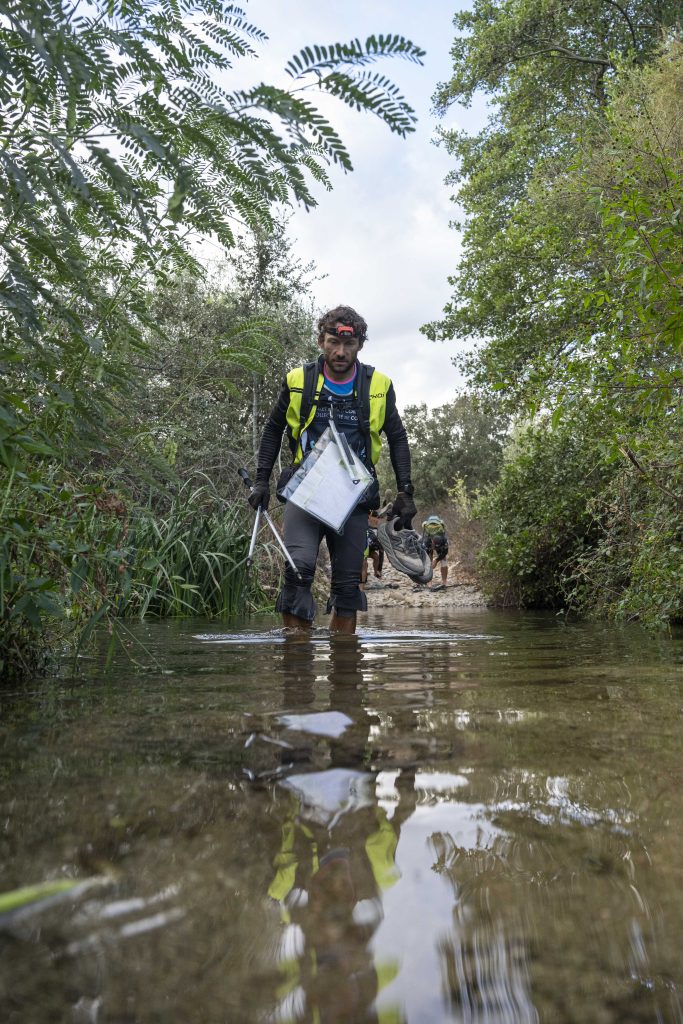
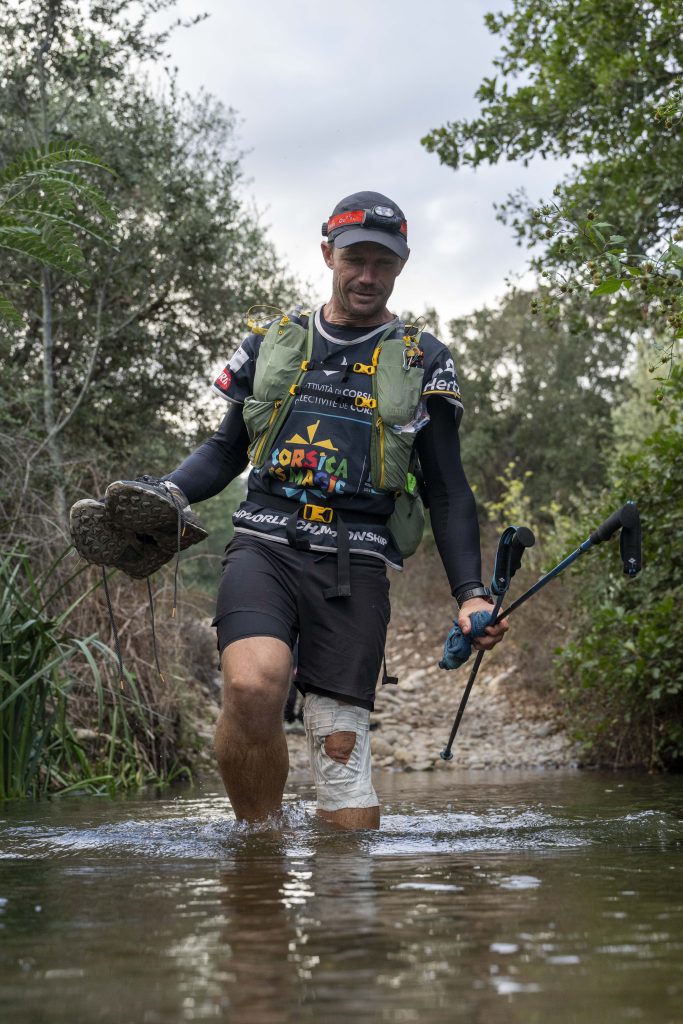
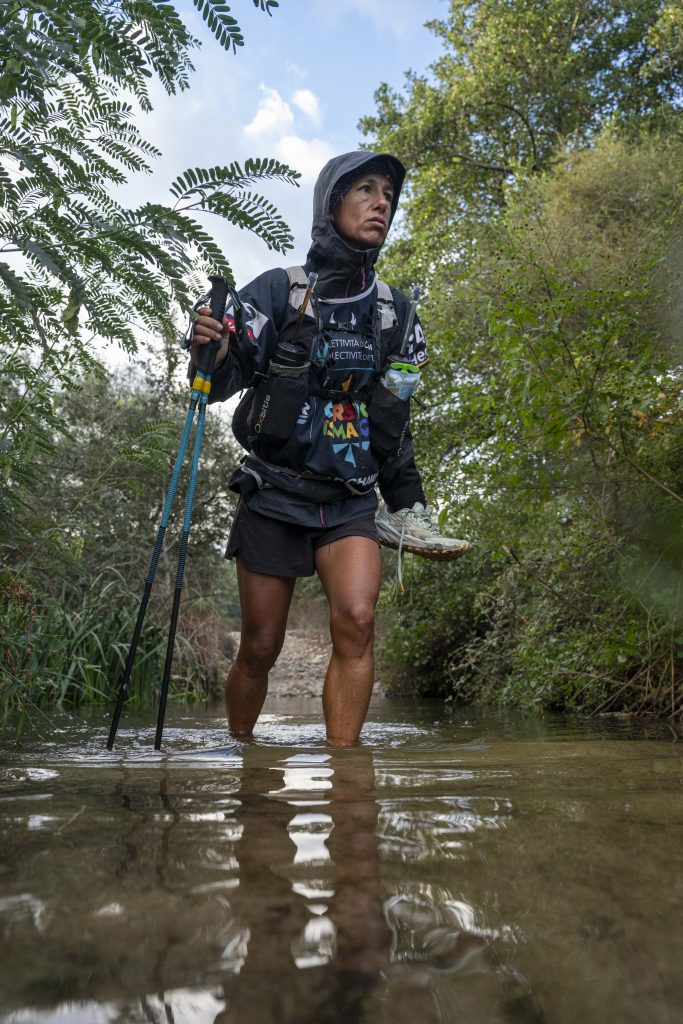
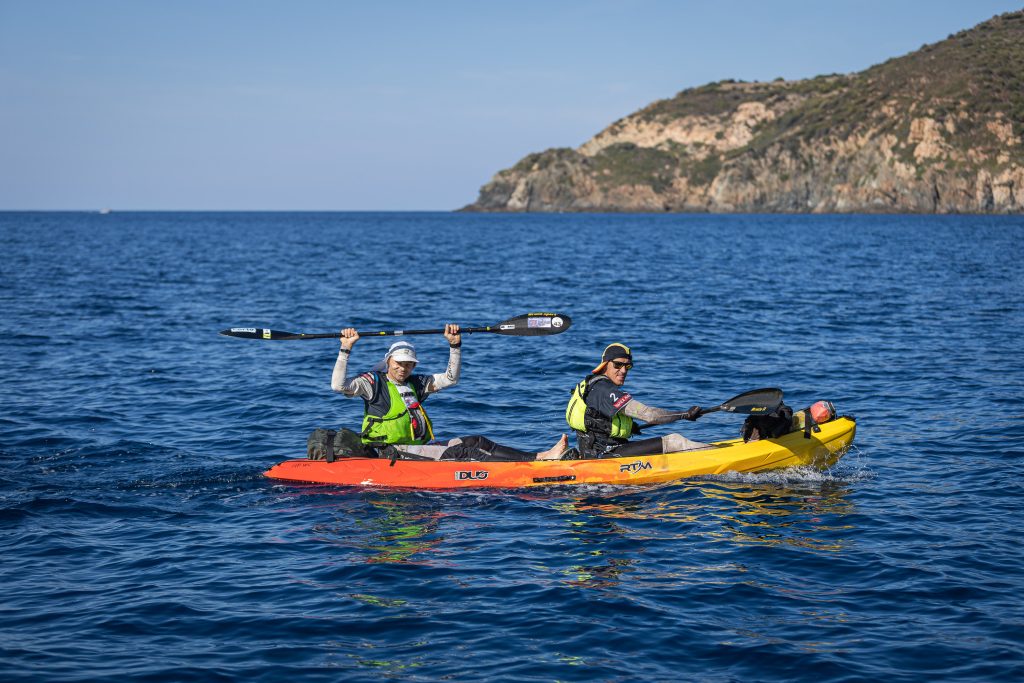
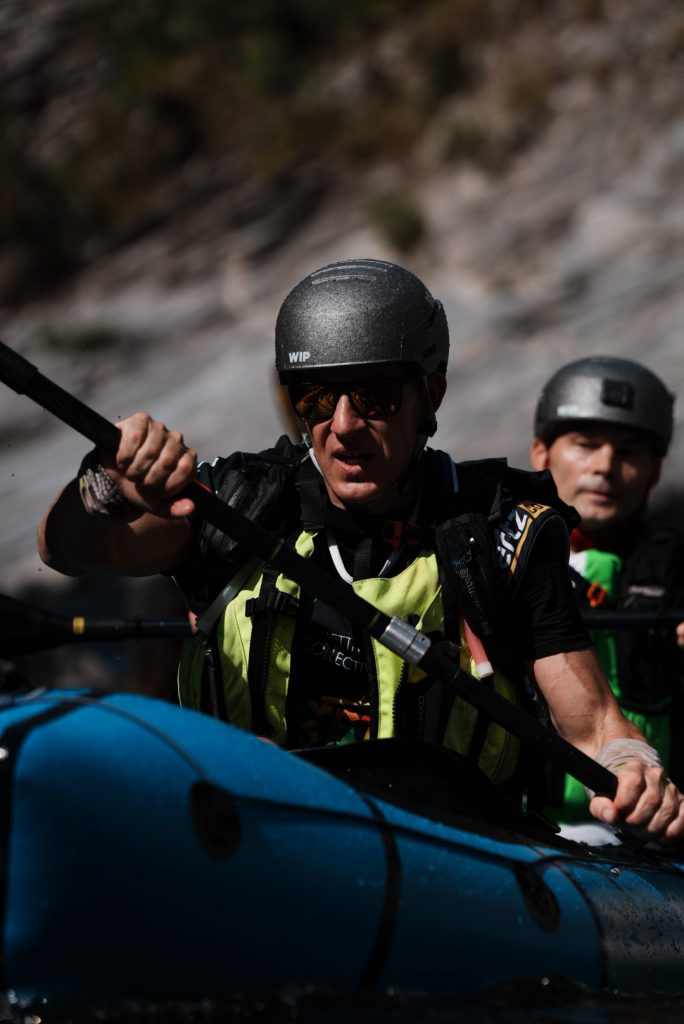
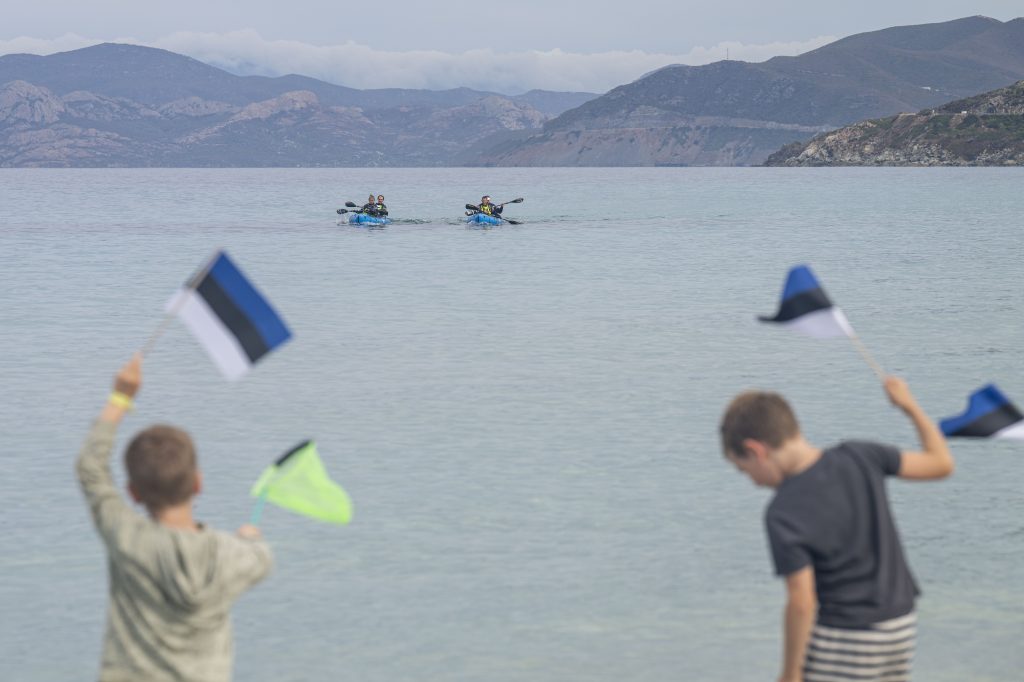
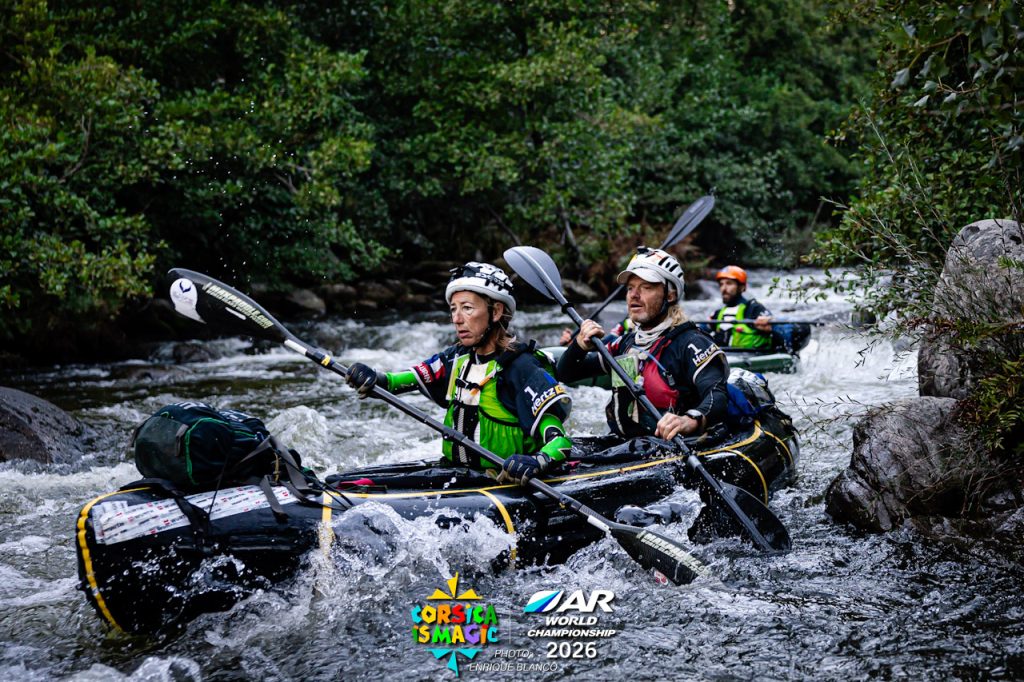
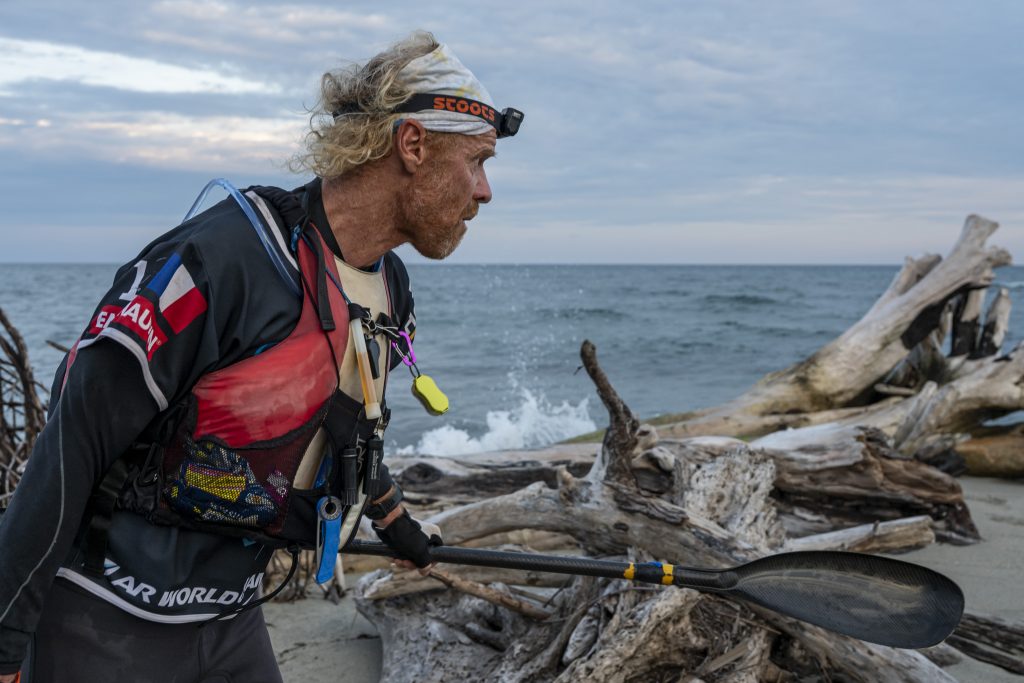
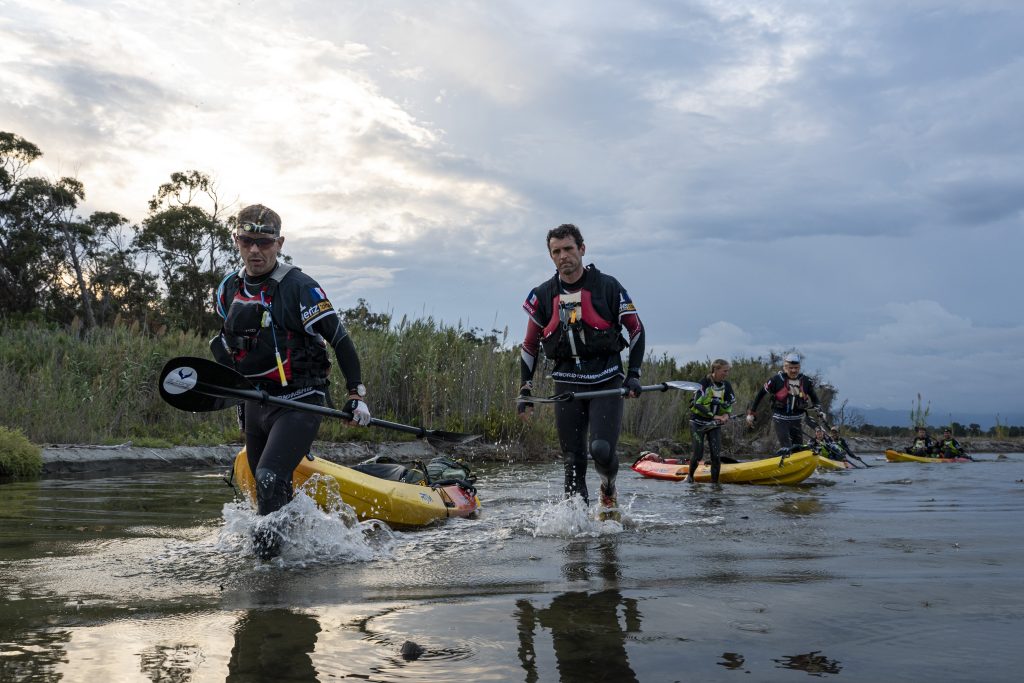
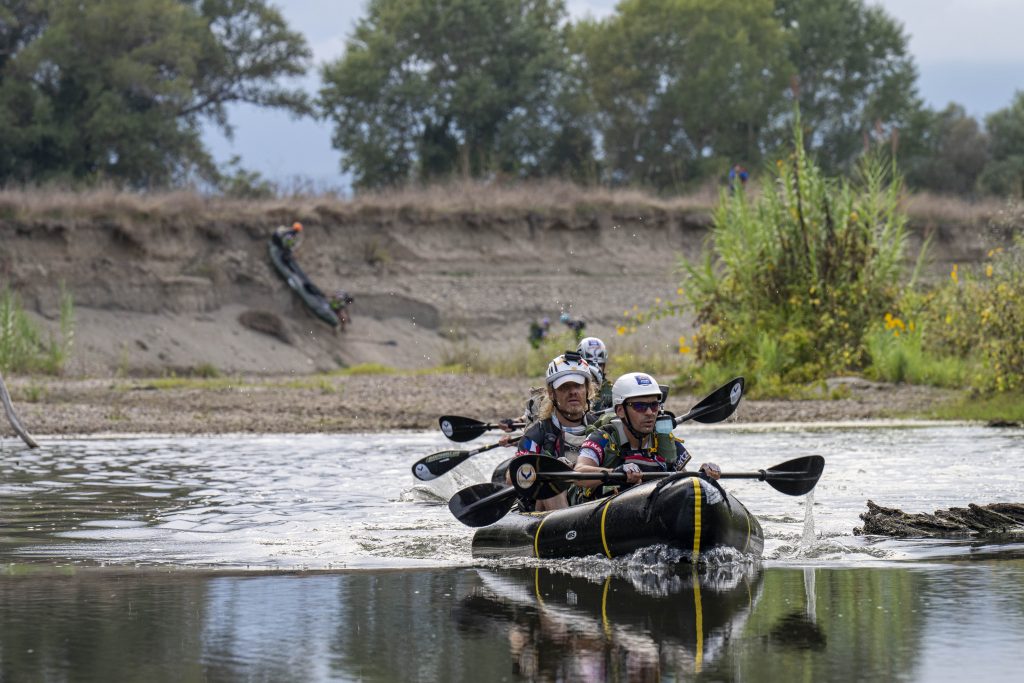
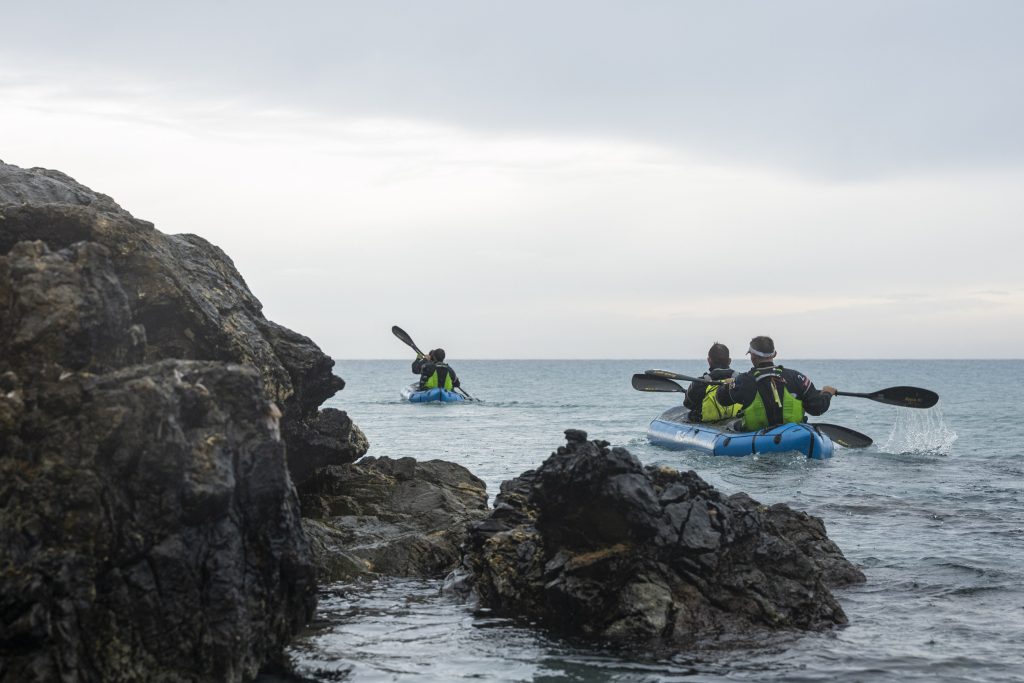
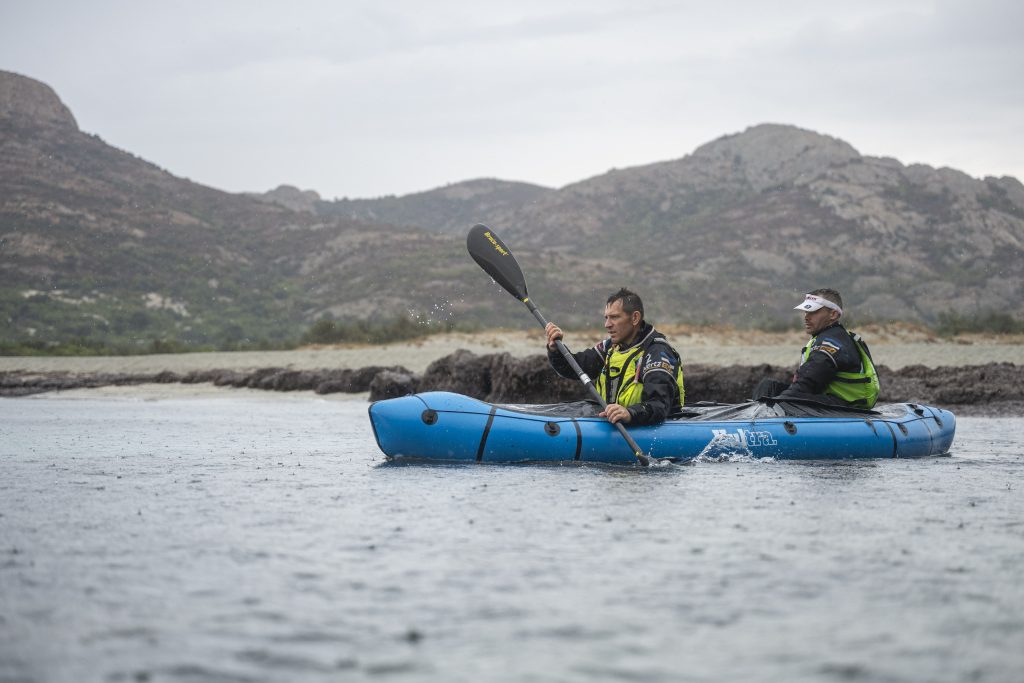
In the Monte Cinto area, changing forecasts led us to adjust the route and abandon part of the course. Rainfall and changes in river levels also made some paddling sections more difficult. Towards the finish, the wind, sea conditions and thunderstorms forced us to suspend and then cancel the final paddling section, switching to the alternative trekking route set out in the road book.
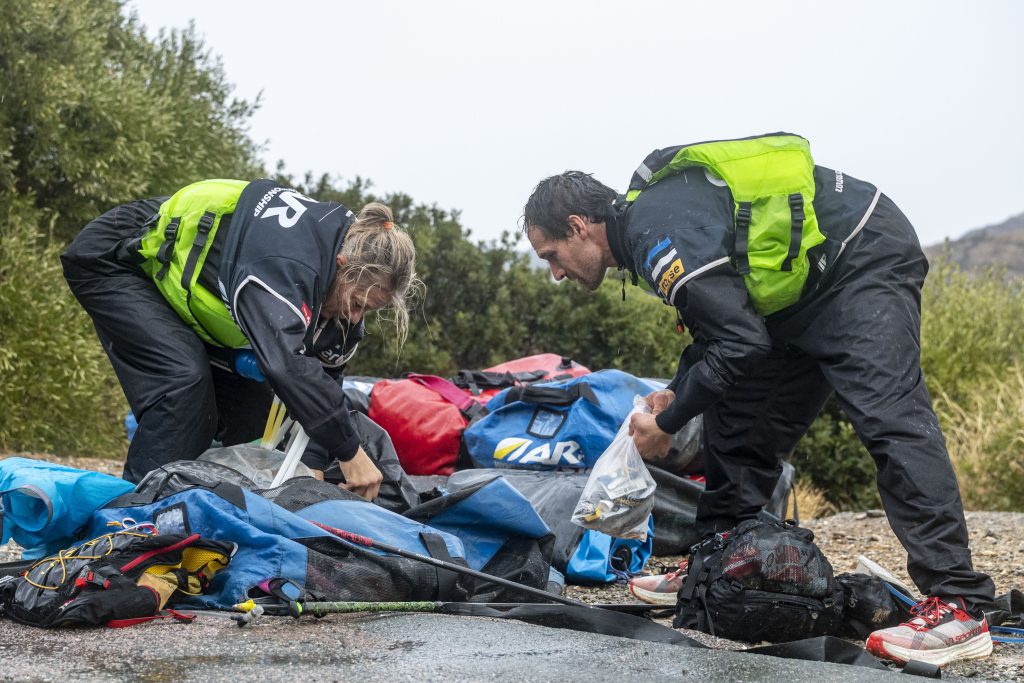
Those decisions require a great deal of coordination. You have to take account of the teams’ positions, inform the people out on the course, revise travel arrangements and sometimes reorganise the transport of equipment and bikes. The entire organisation has to readjust.
We also experienced an episode of extremely violent wind and rain, almost like a small tornado, which destroyed our finish village and wrecked the finish line in a matter of seconds. Those moments are difficult, because they affect both the work that has gone into the event and everyone’s ability to respond.
Above all, they remind us that we operate in an environment whose conditions we have to accept. Our responsibility is to make the decisions needed to keep competitors and everyone working on the event safe.
Behind that ability to adapt are the volunteers. How much did this edition owe to them?
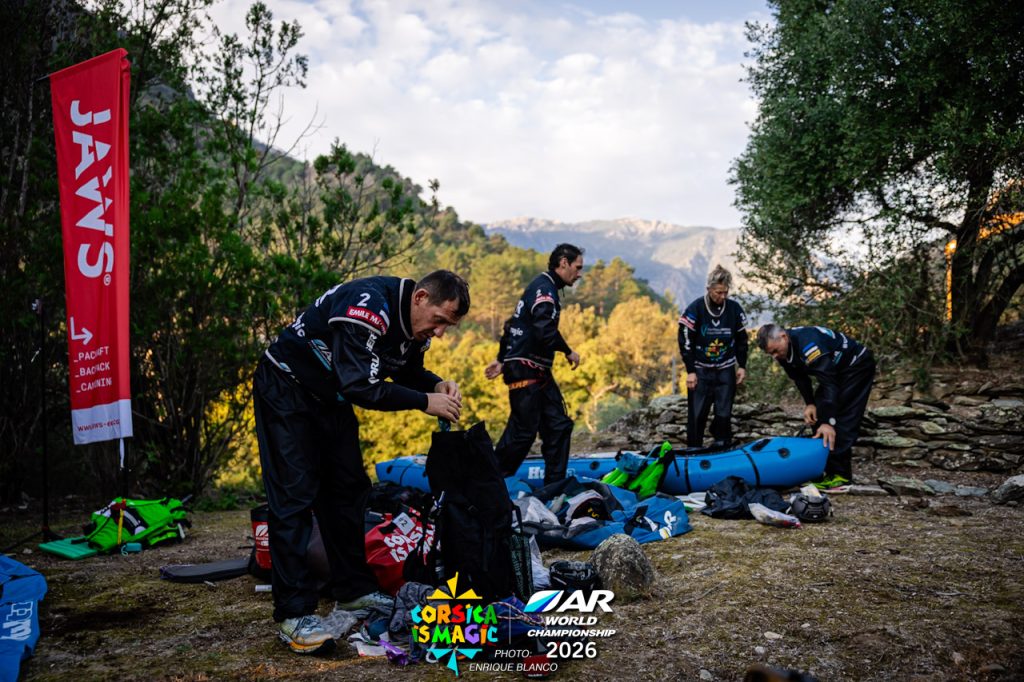
An enormous amount. A race like this depends on countless actions and people whose presence often goes unseen. Welcoming a team in the middle of the night, delivering equipment, staffing a checkpoint, preparing a meal, passing on reliable information: all of it allows the expedition to continue.
We had nearly four hundred bike boxes to manage, as well as the competitors’ other equipment. You can imagine what transporting all of that across an island like Corsica involves, with further changes dictated by the way the race unfolds. The logistics team did a tremendous job.
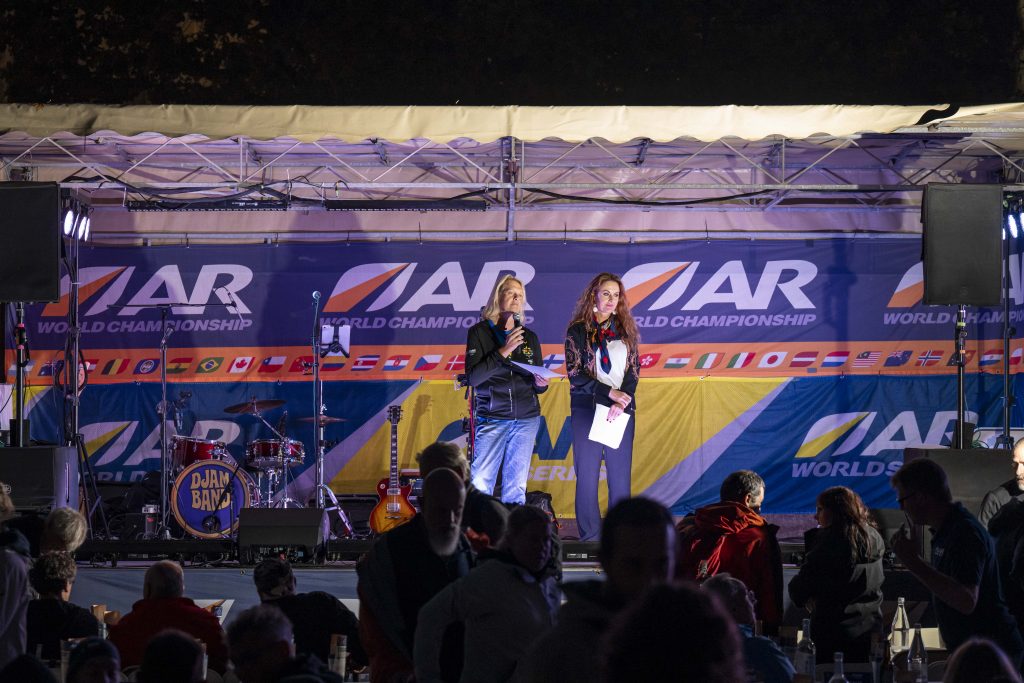
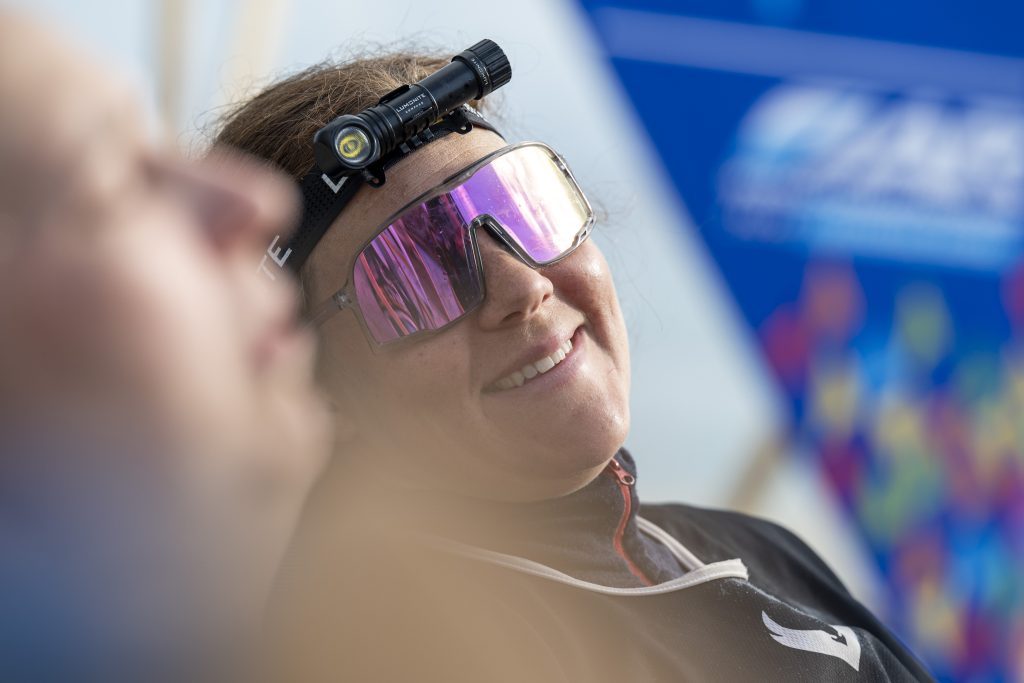
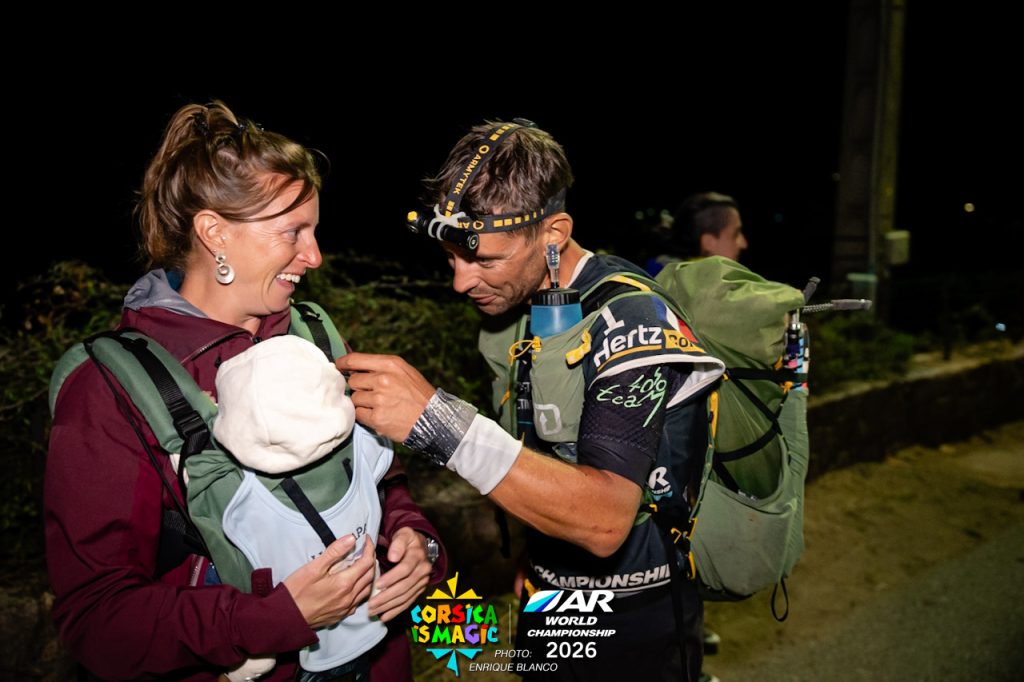
There is also a human story behind that commitment. Some volunteers have been with us since 2007. Others have joined us more recently, through a chance meeting or word of mouth. Over successive editions, a family has formed. We stay in touch throughout the year and try to find a role for everyone, according to their interests, skills and availability. The hundred and fifty volunteers at this edition came to experience their own adventure. They gave their time, their energy and, at times, a great deal of sleep. They also brought their personalities and their care for others. When I talk about collective pride, they are very much the people I have in mind.
What role did Corsica and its people play in this adventure?
A fundamental one, right from the start. We had experience in organising and designing major international races, but this project had to be built with the people who live here.
Meeting Antoine Orsini was decisive. He championed this ambition for his island, became chair of the organising committee and helped bring local authorities and stakeholders on board. That momentum drew in people from sport, community organisations and many other backgrounds.
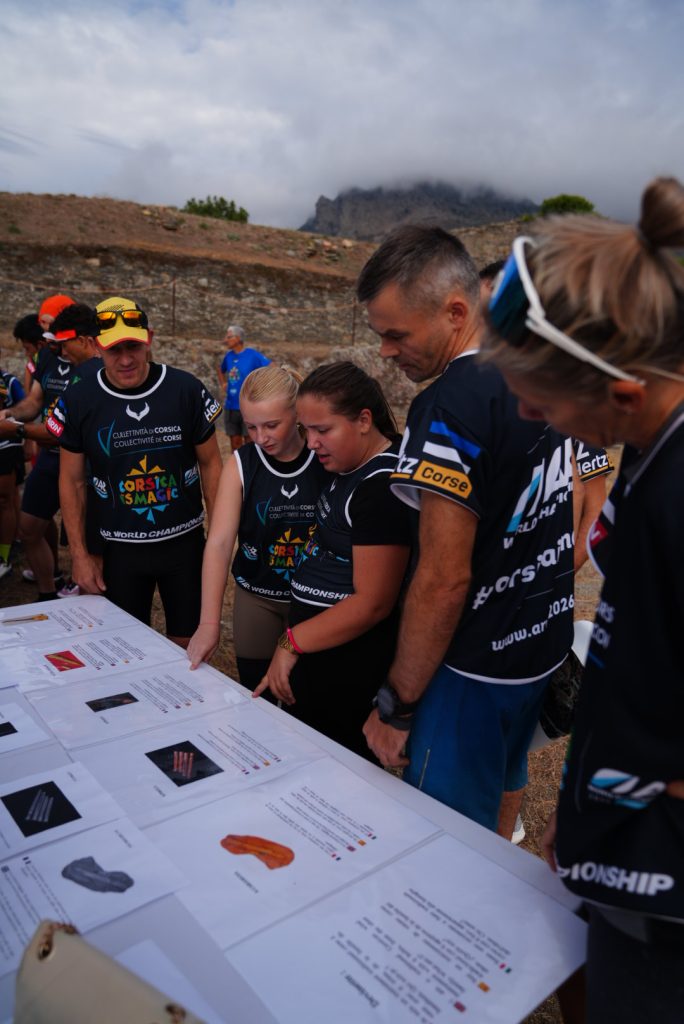
I am thinking in particular of our exchanges with Corsican triathlon, kayaking and climbing organisations, and the work with the Cité scolaire de Corte school complex on the prologue in the Citadel, involving the children. These are the contributions that root an event in a place.
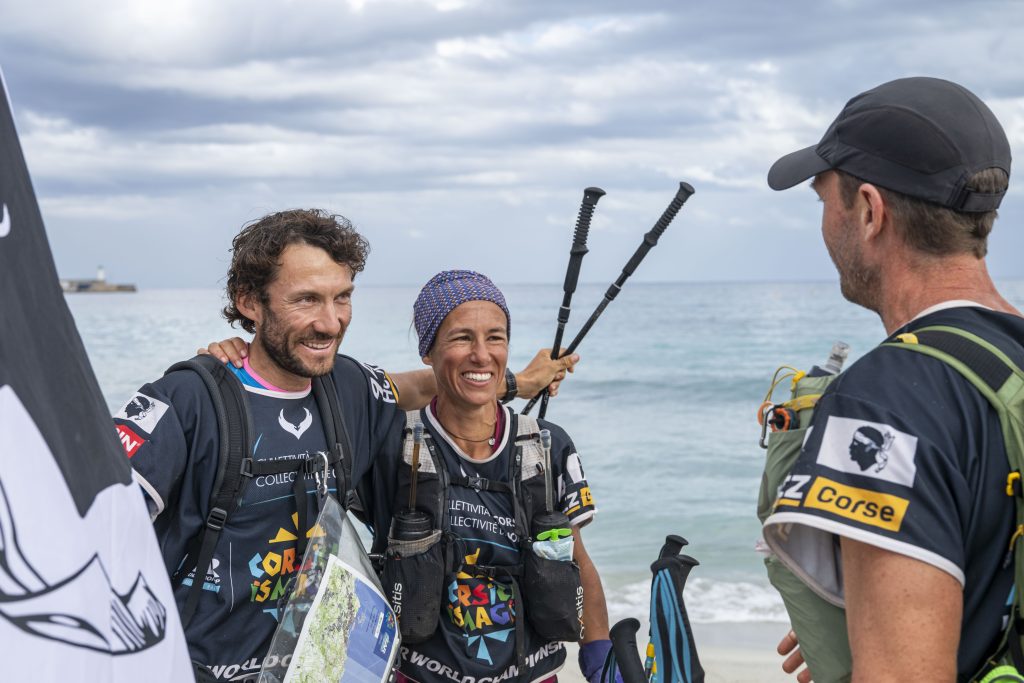
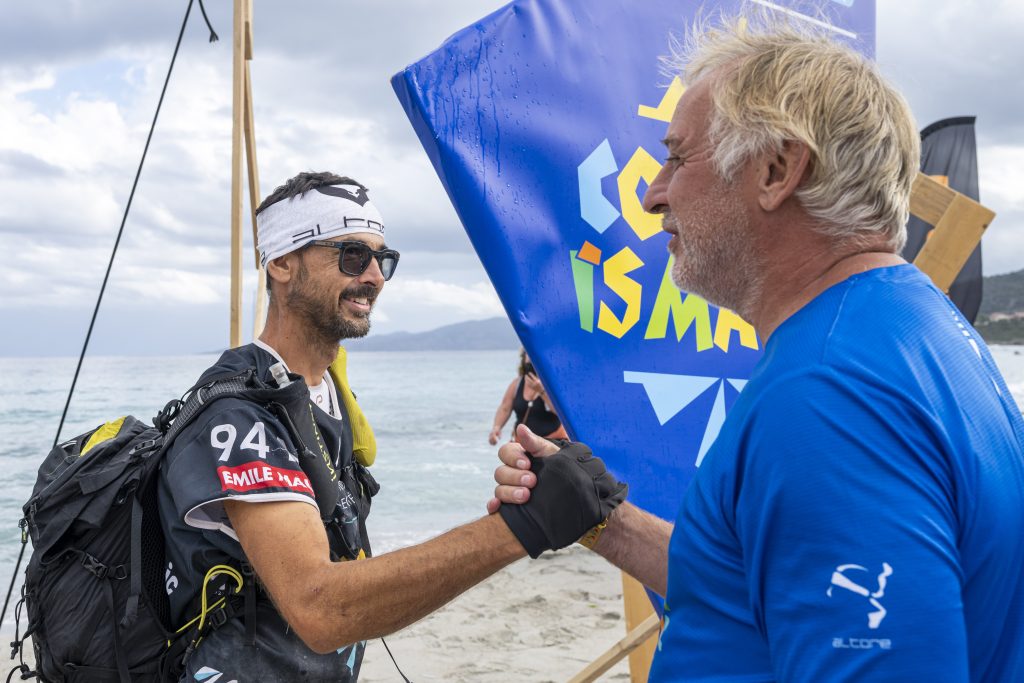
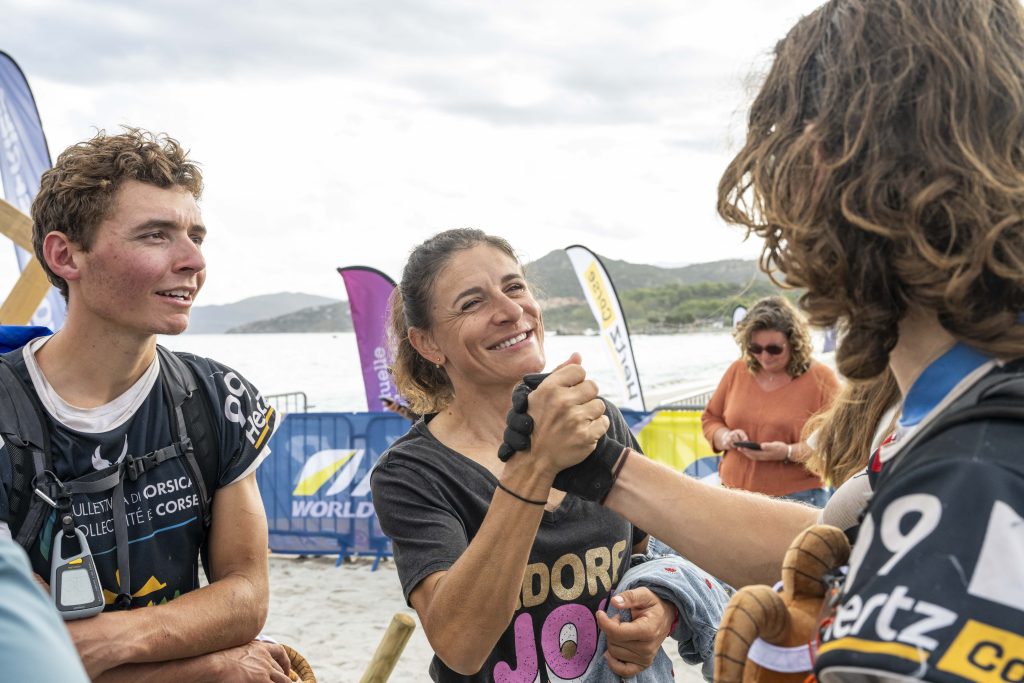
After so many preparation visits, relationships evolve. You get to know one another, learn to work together and form friendships. That is also part of what remains today. I hope the teams took away that memory of Corsica: striking landscapes, of course, but also faces, a warm welcome and the people they met.
This edition broke participation records and attracted considerable attention. What do those results mean to you?
Having a hundred teams entered, ninety-eight of them on the start line, and thirty nations represented was already an immense source of satisfaction. It is a sign of trust in Raid in France, and it places a particular responsibility on the entire organisation.
The media report also shows the reach of this championship. From 21 September to 9 November, the event’s and the ARWS network’s social media channels generated a combined 15.2 million views and impressions, along with more than 414,000 interactions. The live tracking platform attracted nearly 520,000 unique visitors during the race and recorded more than 9.2 million interactions. The championship website, meanwhile, welcomed nearly 110,000 unique visitors from more than 120 countries.
Behind those figures is an audience that followed the teams over many days. Family and friends, enthusiasts, but also people discovering our discipline for the first time. Adventure racing can be difficult to tell as a story: teams are spread out, gaps develop slowly, and many important moments happen far from the cameras. Being able to share that experience is therefore a real source of satisfaction.
That result owes a great deal to the photographers, filmmakers, writers and everyone who covered the event, both on the ground and remotely, in cooperation with ARWS. Content was produced in ten languages. Their work told stories from across the field, showcased the landscapes and gave volunteers and partners their place in the coverage.
Media coverage is continuing after the race. What would you like it to convey?
The press releases issued during the championship were picked up around 2,400 times online. The Corsican press, media from the teams’ home regions and specialist outlets also told the story of this edition from their own perspectives.
Other stories will extend that reach: the fifty-two-minute official film, with broadcasts announced on French channels from the end of the year, a feature for Japanese television, a BBC documentary about Corsica and a series being developed in the United States about the world circuit.
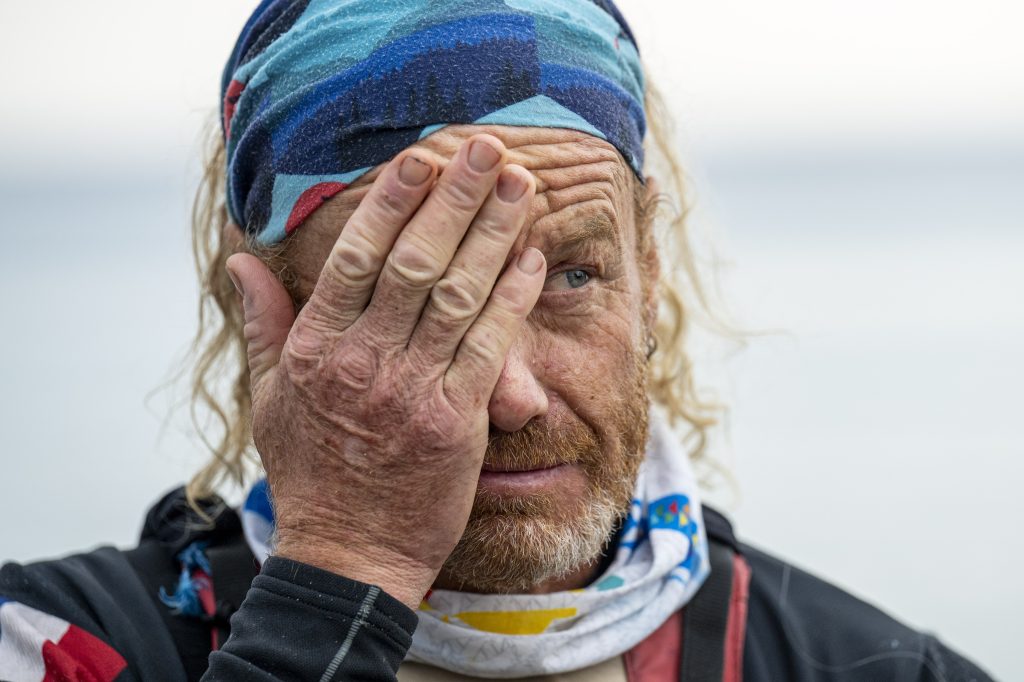
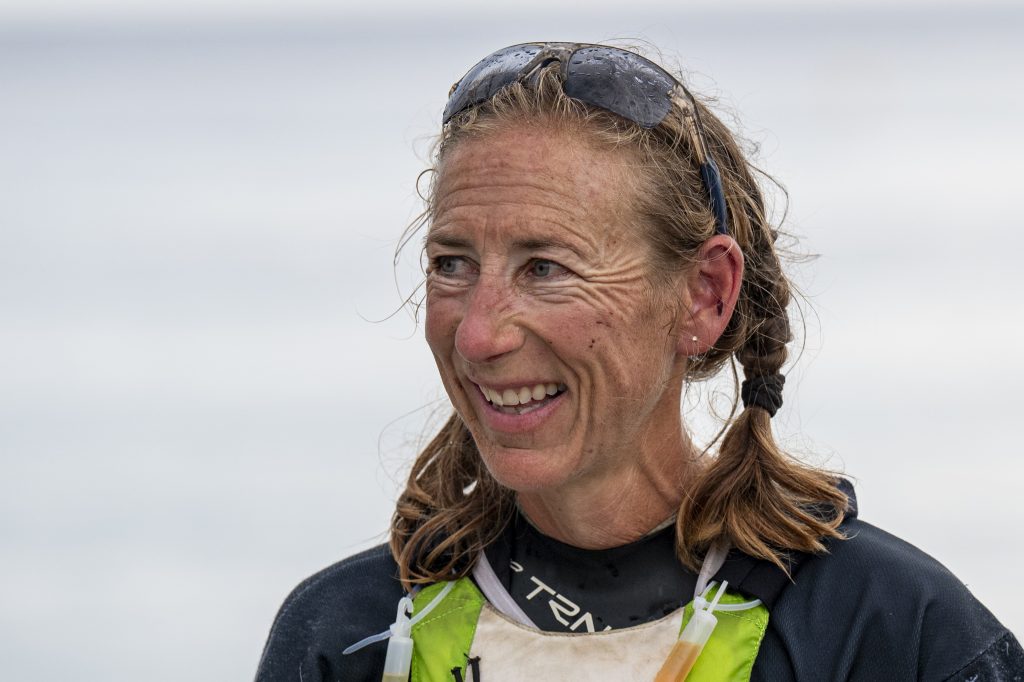
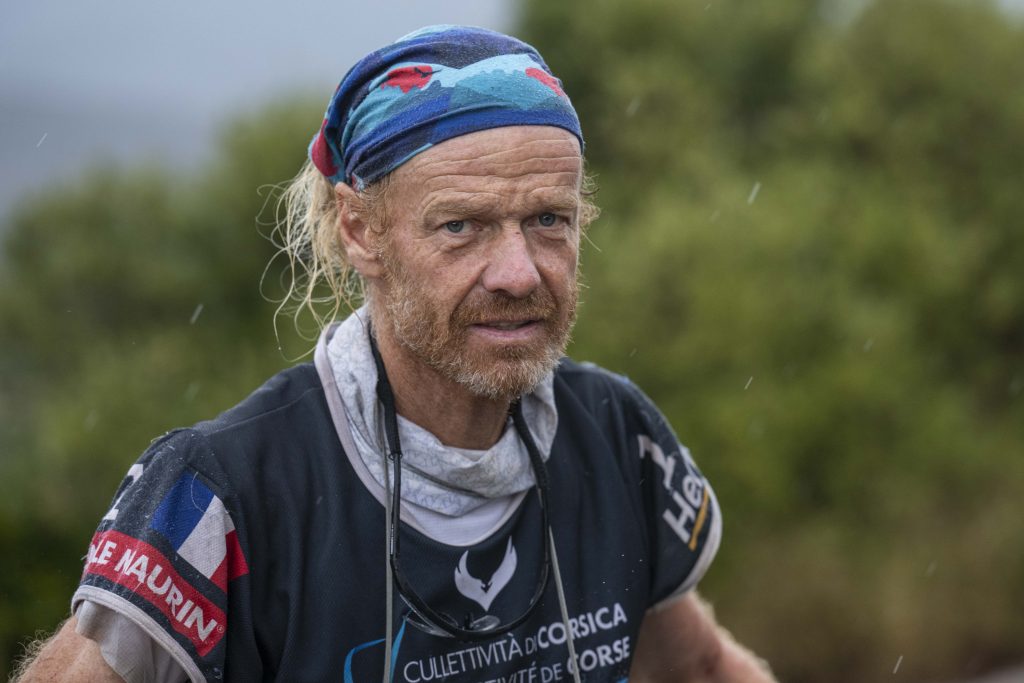
It is wonderful recognition for everyone who supported the project. I hope those images will help people understand what the teams came here to find. Competition matters, of course, and the performances deserve recognition. But there is also that very particular experience of having to keep moving as a team of four, over a long period, in a demanding environment.
If these stories inspire people to discover Corsica, take an interest in adventure racing or simply reconnect more directly with nature, they will have carried forward something important. The accounts that teams continue to publish are already doing a great deal in that respect. Each tells a part of the expedition that we may not have seen ourselves.
You had announced that this race would probably be Raid in France’s last within ARWS. Where do things stand now?
At this stage, that remains the most likely outcome. We have enjoyed a long and rewarding history within this circuit, and this World Championship represents an important moment in that history.
But we want to give ourselves time to think about what comes next. After a project of this scale, you need to regain some breathing space and allow ideas to take shape. We can feel a future beginning to emerge, without wanting to define it too quickly.
We have twenty years of Raid in France behind us. That represents experience, human connections, knowledge of different places and a particular vision of expedition racing that we want to keep alive. The question is what form might best suit that vision today. It could be something independent and new, drawing on everything we have learnt to offer a different experience. The spirit is still very much alive: taking the time to get to know a place, accepting what it asks of us and finding ways forward with others.
We do not yet have a project to announce. We are taking time to reflect, but the desire is there. And after twenty years, feeling that we still have something to explore together already means a great deal.